
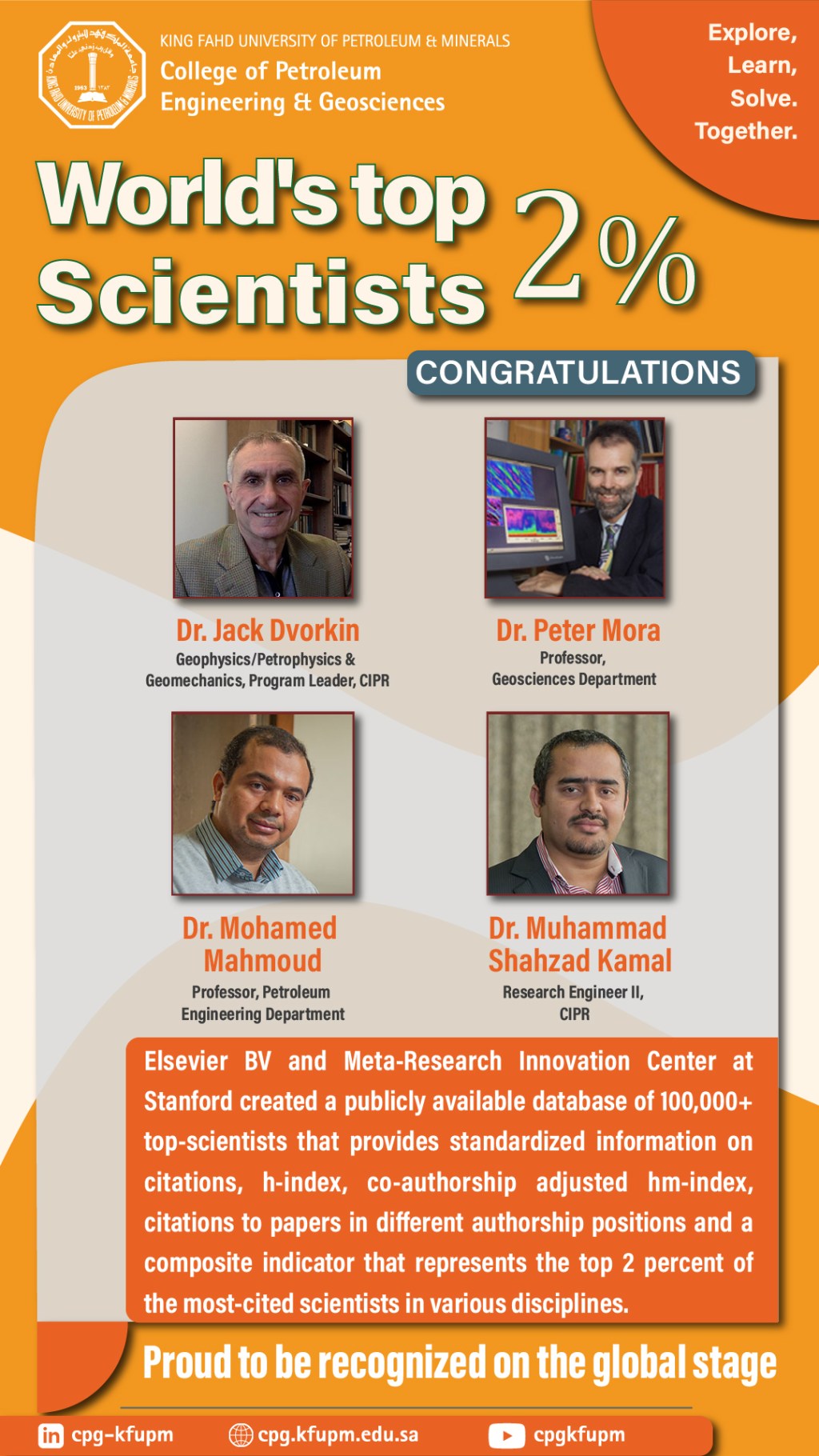
Rwanda’s research community has gained global recognition, with 14 scientists based in the country or connected to it listed among the top 2% most influential researchers worldwide. This information comes from the Stanford–Elsevier Global Ranking 2025, which emphasizes long-term scientific impact and significant contributions made in 2024. ALSO READ: A Rwandan researcher receives the UK’s Diana Award Among those recognized are Prof. Léon Mutesa and Abraham Mitike Haileamlak from the University of Rwanda, Corine Kakizi Karema from Quality and Equity Health Care, and Prof. Ogechi Adeola, Deputy Vice Chancellor of the University of Kigali. The list also includes international scientists who have worked or are working within Rwanda’s research environment, such as the late Paul E. Farmer, founder of the Burera-based University of Global Health Equity (UGHE), Torsten Schöneberg, Abebe Belayneh Bekele, Alemayehu Amberbir, and Chester Kalinda—all associated with UGHE. ALSO READ: A Rwandan leads MIT scientists in developing technology for improved wearable devices The list also features Ayman Ahmed from the Rwandan Ministry of Health, Olivier Uwishema from Oli Health Magazine Organization, Jennifer L. Rickard from the University Teaching Hospital of Kigali (CHUK). There is also David A. Shaye from CHUK and Emmanuel Edwar Siddig from Pan Africa Biomedical Institute. The Stanford–Elsevier list, published annually using Scopus data, identifies the world’s most influential scientists by assessing the reach and importance of their research. Released in September, this ranking differs from others that focus only on output, as it evaluates real impact, taking into account citation frequency and scholarly contribution. ALSO READ: Five key points about Rwanda’s efforts to train nuclear scientists Spanning 22 major disciplines and 174 specialized fields, the 2025 edition of the Stanford–Elsevier Top 2% ranking uses a Scopus snapshot taken on August 1 and reflects citation data up to the end of 2024. The ranking assesses millions of scientists globally who have published in peer-reviewed journals, using a composite metric that considers citations, authorship position, and overall impact. Only around 190,000 to 200,000 researchers are selected from over 10 million active scientists worldwide, making inclusion highly competitive and a strong indicator of influence and recognition in their respective fields.
Provided by SyndiGate Media Inc. (Syndigate.info).


 jasdooit
Leave a comment