
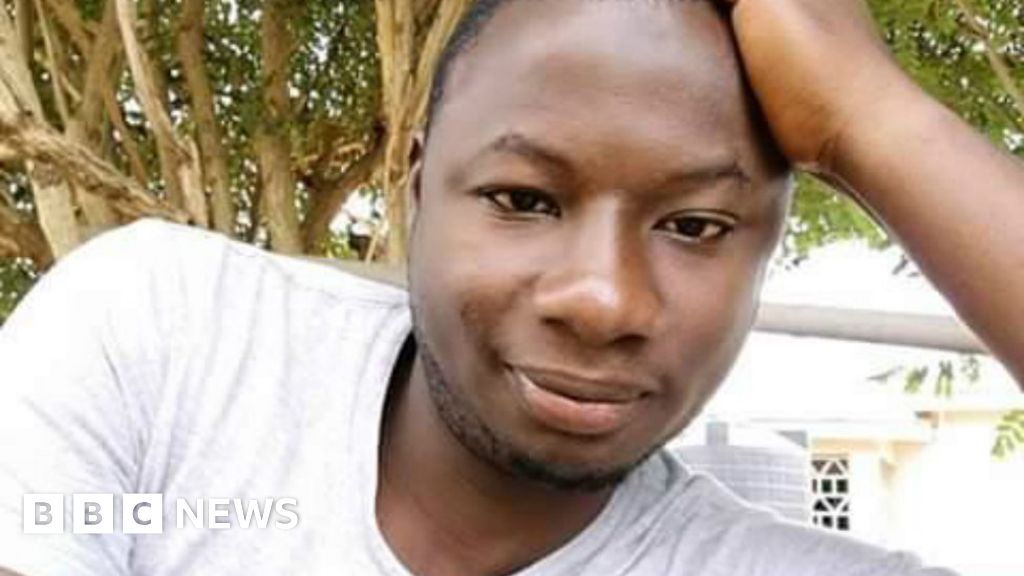
The shocking killing of investigative journalist Ahmed Hussein-Suale on January 16, 2019, close to his residence in Madina, stands as one of the most tragic events in Ghana’s history.
In addition to failed efforts to detain the suspected individuals and hollow assurances to uncover the truth behind his death, the event is now regarded as a cold case.
Even though the police declared on March 17, 2025, that they have arrested one suspect, named Daniel Owusu Koranteng, also referred to as Akwasi Amakye, in Amasaman-Adease, a neighborhood in Accra, the absence of any legal proceedings in court indicates that the officials have shifted their focus.
Regrettably, Suale’s murder is not a unique incident. Ghanaians still recall the shocking death of J.B. Danquah-Adu, a Member of Parliament representing Akim Abuakwa North, who was stabbed to death in his home in Shiashie on February 9, 2016. Two individuals were taken into custody, but almost ten years on, the case is still pending.
In the same way, Fennec Okyere, who previously managed musician Kwaw Kese, was violently killed at his home in Manet Gardens on March 13, 2014. His perpetrators have also never faced legal consequences.
In May 2015, the country was once more disturbed by the terrible death of Adams Mahama, who was the Upper East Regional Chairman of the New Patriotic Party (NPP) at the time, and who was attacked with acid by unknown perpetrators. His case, similar to others, has made minimal progress.
It is confusing and disappointing that, despite these high-profile killings, no one has been successfully brought to trial or found guilty. This trend of getting away with crimes highlights a fundamental flaw in Ghana’s criminal justice system, which encourages offenders and erodes confidence in the rule of law.
In Ghana, there is no time limit for prosecuting murder. This implies that even if a crime occurred many years ago, those responsible can and should still face legal consequences. However, the ongoing silence and lack of action from the government indicate a concerning indifference.
Achieving justice for Ahmed Suale and similar cases is not only a legal requirement but also a moral duty. Their families are entitled to peace; their legacies deserve respect. Most importantly, the country must show that it is not without direction, that each instance of violence carries repercussions, and that Ghana is a nation where justice is not postponed, refused, or neglected.
Until these killings are settled, Ghana’s moral sense will continue to be troubled, and its dedication to fairness, doubted.
We must not overlook the killing of innocent Ghanaians during the 2020 and 2024 elections. Their blood is on all of us if we do not secure justice for them.
The post Ahmed Suale and the unresolved killings in Ghana appeared first on The Herald ghana.
Provided by SyndiGate Media Inc. (Syndigate.info).



Leave a Reply