

The cherished kettle is one of the kitchen appliances that may disappear within 50 years, according to recent findings, due to the preferences of Generation Z.
Today’s younger generation will drive the shift from large, wired kitchen devices that were popular with older people, as per specialists.
Professor Deborah Sugg Ryan, a design historian from the University of Portsmouth, has collaborated with home retailer Wickes to envision the ‘kitchen of 2075’.
And it appears significantly different from what we are familiar with now.
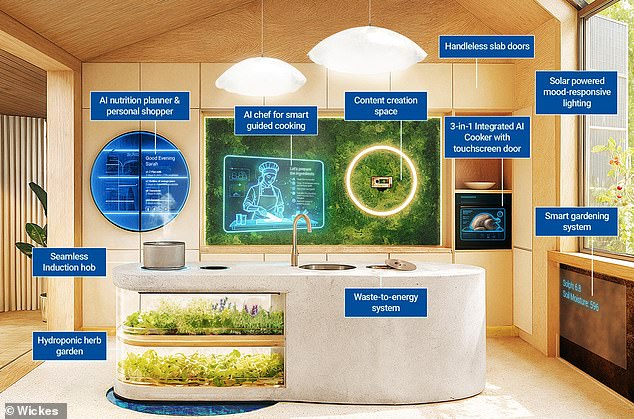
It will include AI chefs, built-in TikTokstudios, solar panels, and indoor ‘hydroponic’ gardens – featuring plants cultivated without soil.
“The kitchen has consistently reflected the era – from the post-war prefabricated kitchens to modern open-concept living areas,” said Professor Sugg Ryan.
By the year 2075, the kitchen will serve as a versatile center that embodies the principles of Generation Z – environmental responsibility, health consciousness, and technological integration.
Anticipate a smooth combination of AI, environmental innovation, and areas created equally for broadcasting and culinary activities.
Wickes conducted a survey involving 2,011 adults, among whom 1,010 were between the ages of 18 and 27—the upper end of the age range considered part of ‘Gen Z’ (those born between 1997 and 2012).
The questionnaire inquired about participants’ kitchen usage, their opinions on kitchen appliances, and their expectations for how kitchens will be utilized in the future.
In total, 24 percent of Gen Z participants believe the kettle will be outdated by 2075, whereas 20 percent think large refrigerators and freezers will become obsolete.
These reliable appliances will be substituted with modern, multi-purpose units concealed within handleless cabinets that can be opened through touch or voice activation.
Rather than spending time waiting for a kettle to heat up, in 50 years, kitchens will have touch-sensitive faucets that provide hot water immediately.
Big ovens and microwaves, which used to be the main features of the kitchen, might also disappear, according to 23 percent of Gen Z who believe they will no longer be around.
Rather, kitchens will emphasize sustainability and renewable energy, smart home technology, and the Swedish ‘Lagom’ concept of minimizing unnecessary mess, while maintaining ‘the comfort and practicality of a home for the family’.
In the kitchen of 2075, an AI chef and dietary expert displayed on a large screen in front of you will assist you with a recipe and handle your weekly online grocery shopping.
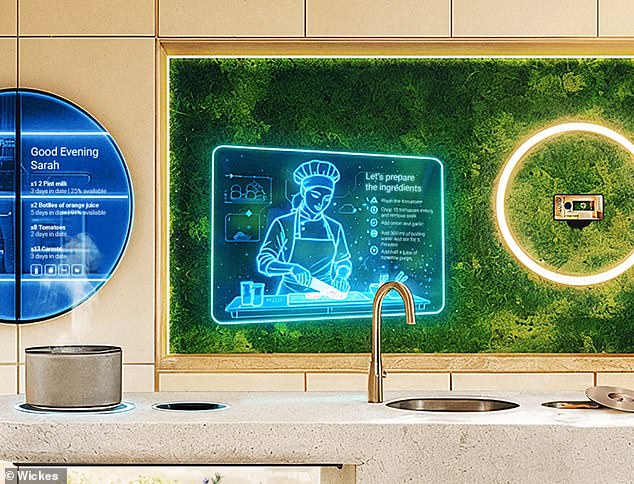
A camera built into the wall will capture your latest cooking video for TikTok, significantly replacing handheld smartphone mounts.
A stove will offer both air frying and conventional convection functions and will be equipped with artificial intelligence, monitoring your Sunday roast to ensure it remains moist and properly cooked.
A vegetable garden using hydroponics, situated beneath the primary kitchen counter, will keep your preferred herbs in ideal temperature and lighting environments.
In the meantime, a ‘waste-to-energy system’ built into the countertop will incinerate organic waste to generate heat and electricity for the kitchen.
Additionally, there will be solar-powered “mood-responsive lighting” featuring adjustable LED lights that can be tailored for cooking, dining, or hosting guests.
Some elements commonly found in today’s kitchens will still be present, like the kitchen sink, faucets, and induction cooktops for heating, but overall it will appear almost unrecognizable to contemporary observers.
If the robotics sector keeps advancing rapidly, some homesmight even include advanced C-3PO-style robotic butlers.
“In 2075, the kitchen will not only be where we prepare meals – it will be the most intelligent room in the home,” said Dan Ferrari, head of kitchens at Wickes.
Hidden appliances, automatic cleaning surfaces, and artificial intelligence chefs will handle the difficult tasks, while flexible designs and lighting that responds to emotions will adjust instantly to whatever the day holds.
For the younger generation, the kitchen of tomorrow is seamless, eco-friendly, and always prepared for its moment in the spotlight.
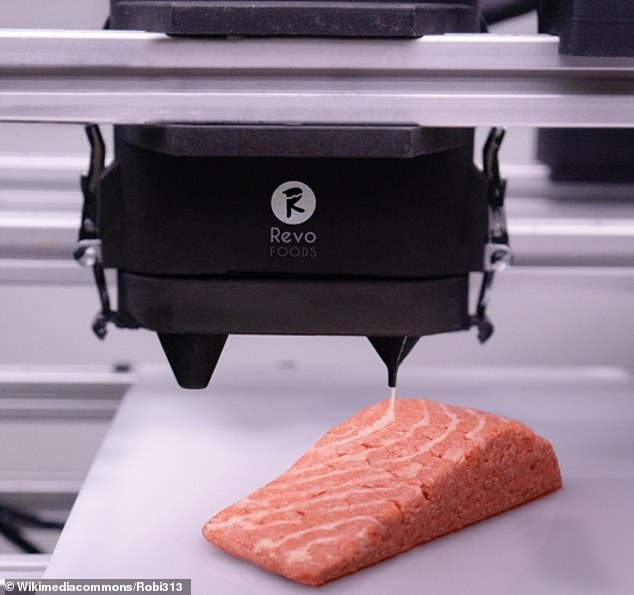
Some professionals believe 3D printers could become the upcoming favorite kitchen gadget, creating similar excitement as air fryers do now.
3D food printers can create meals like pizza, pasta, burgers, and quiche by layering the basic components.
Lynette Kucsma, one of the founders of the 3D food printing company Natural Machines, believes these devices will be as typical in kitchens as ovens or stoves by the early 2030s.
“Instead of depending too much on pre-packaged, processed foods, individuals can tailor their meals, eat more nutritiously, enhance cooking efficiency, and reduce food waste,” she stated.
Other research suggests what we will prepare in the kitchen will undergo a significant changeto reduce carbon emissions and aid in protecting the Earth.
Soon, the menu may feature options such as cricket salad, lab-grown steaks, and ‘meat’ balls created from aquatic plants, replacing traditional items like burgers, steaks, and kebabs.
- Can Kmart’s innovative products help organize your kitchen for 2025?
- Are middle-class British people moving away from traditional kitchen brands in favor of modern tech gadgets, indicating a major change in cooking habits?
- What’s causing the younger generation’s early routines to transform the kitchen environment through coffee makers and air fryers?
- Why are young people in the UK moving away from contemporary cuisine to opt for classic recipes that work well in an air fryer, such as beef wellington?
- Will human-like robots prepare your burgers soon? Specialists foresee a food-related future that is expected to emerge within the next decade!




 jasdooit
Leave a comment