
GENEVA – Nations deliberating stricter mercury controls agreed on Friday to prohibit the use, import, and export of dental amalgams containing mercury globally by 2034.
The choice was made during a gathering of the Minamata Convention on Mercury taking place in Geneva this week. The agreement is called after a coastal town in southern Japan where numerous individuals were affected by mercury poisoning in the 1950s.
Japan, which suffered a significant human toll at the time because of what it refers to as Minamata disease, has already been decreasing the use of mercury fillings over the last ten years, prompted by health worries.
“This marks a significant advancement for the convention,” stated Osvaldo Alvarez, president of the conference from Chile, as he revealed the agreement reached by attendees.
Several nations, including the United States and various African countries, advocated for an earlier elimination date of 2030, but opposition from Britain, India, and Iran, along with others, delayed it to 2034.
Supporters of an extended period highlighted the importance of evaluating the expenses and longevity of substitutes for mercury-containing dental fillings.
The European Union banned the use of mercury fillings starting from January. In Japan, health insurance provides coverage for mercury-free options, like gallium alloy, in dental treatments.
Participants at the most recent gathering were unable to come to a consensus on whether alternatives without mercury are economically and technologically feasible. These conversations will continue over the next few months.
The Minamata Convention, established in 2013 in Kumamoto—the capital of the prefecture with the same name—seeks to safeguard human health and the environment from mercury emissions and releases caused by industries on a global scale. Signatory nations convene every two years.
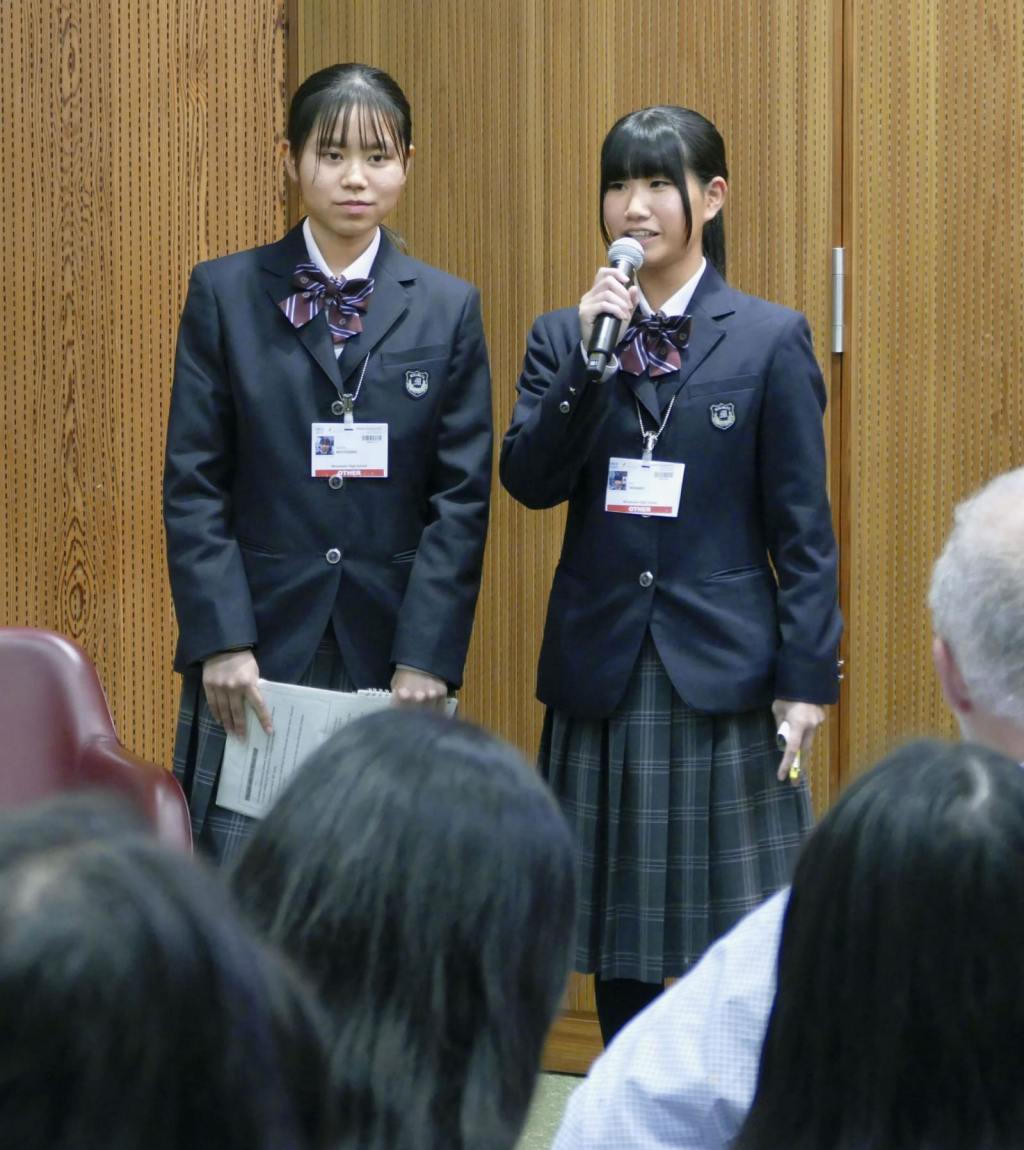
At the same time, two pupils from Minamata High School participated in a relevant gathering in Geneva this week to voice their worries regarding the worldwide application of mercury.
“I wish to play a role in raising future environmental consciousness,” said 16-year-old Mio Iwasaka in front of other international students, adding that she hopes an event like this will one day take place in Minamata as well.
During the 1950s, numerous people living in a coastal city experienced a neurological condition due to mercury poisoning from consuming fish that had been polluted by waste from a local chemical factory.



 jasdooit
Leave a comment