
Eze Chinechendo is a Nigerian microbiologist and biotechnologist who specializes in the genetic modification of crops to improve their growth and resistance. She is a doctoral candidate and a graduate teaching assistant at the University of Louisiana at Lafayette, located in the United States. In an interview conducted by KINGSLEY ALUMONA, she discusses her research, genetically modified crops, food security, and various related topics.
How would you characterize your time studying microbiology at two Nigerian universities? Did you find the field of microbiology profitable, and have you worked as a microbiologist in Nigeria?
Pursuing microbiology at two Nigerian universities was a life-changing experience. I obtained my Bachelor’s degree from the University of Nigeria and my Master’s from Nnamdi Azikiwe University. The program was demanding, practical, and mentally engaging. Although there were obstacles such as scarce laboratory facilities and big classes, I developed perseverance, innovation, and an appreciation for inquisitiveness. Both institutions had their advantages, and collectively they provided a strong base for my scientific thinking and research abilities.
After completing my studies, I began working as a microbiology instructor at the University of Nigeria and later moved to the United States to pursue my PhD. Teaching is very rewarding. I enjoy motivating students to understand how science influences food, health, and the environment.
Was it profitable? Not in terms of money. Science teachers in Nigeria frequently encounter limited resources, heavy workloads, and low salaries. However, the job is full of meaning. The satisfaction comes from influencing young minds and seeing students develop into researchers and creators. This feeling of making a difference encouraged me to continue my studies overseas.
What motivated your move to the United States? Additionally, how did you manage to gain entry into the University of Louisiana in the US?
My decision to move to the United States stemmed from a desire to explore and achieve. I aimed to play a role in scientific advancements worldwide, where research is strongly backed, creativity is promoted, and teamwork is appreciated.
Getting accepted into the University of Louisiana at Lafayette required several months of effort. I worked on my personal statement, emphasizing my teaching and research background in microbiology, and contacted possible mentors. In the end, I found my advisor, Dr Yi-Hong Wang, whose research matched my interests exactly. The application process was tough, but determination and a clear direction helped me succeed.
You completed your master’s degree in food microbiology, but are now pursuing a PhD in ecology and evolutionary biology. How would you describe this shift? In what ways do you apply these fields to your research and work?
It could appear to be a significant change, but it is actually a logical development. My master’s research centered on the role of microorganisms in food safety, preservation, and quality. This provided me with a strong foundation in microbial genetics and host-microbe relationships.
Currently, during my PhD, I employ microorganisms like Agrobacterium tumefaciens as instruments to insert genes into plants. In essence, I have transitioned from examining how microbes influence food systems to investigating how they can enhance plant systems. Both approaches aim for a single objective — leveraging biology to promote sustainability, whether by ensuring safer food or developing more robust crops.
What are you focusing on for your doctoral dissertation, and what effects could it have on society?
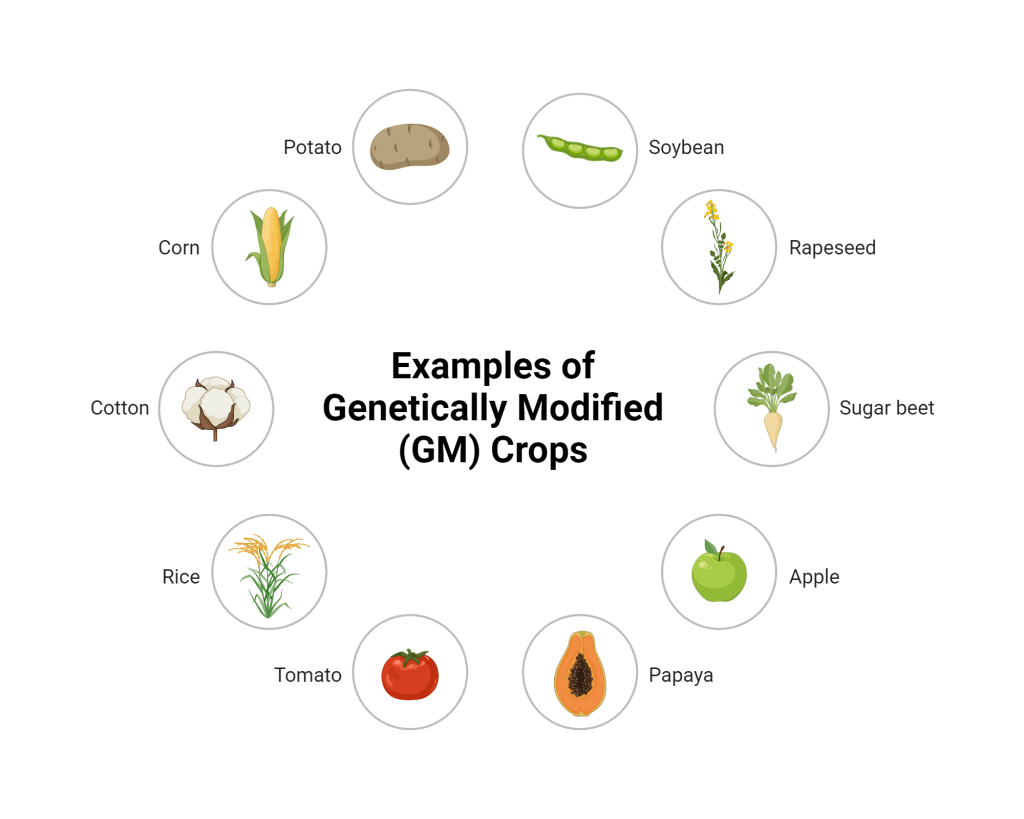
My doctoral research centers on the genetic modification of crops to improve their growth and ability to withstand adverse conditions. I investigate genes that regulate plant size, biomass, and resistance to stress, mainly in rice, corn, millet, sugarcane, and sorghum. Through Agrobacterium-based transformation and CRISPR gene editing techniques, we insert or alter specific genes and analyze their impact on plant development and yield.
The objective is to develop crops that flourish in difficult environments, needing less water, being more resistant to illnesses, and still producing higher yields. This study has the potential to significantly impact global food security, particularly in areas prone to drought or with poor soil quality. By modifying crops to function better under stress, we can assist farmers in achieving consistent harvests and decreasing food shortages.
Can you share more details about genetic modification, using a case study from your latest academic research in this field?
Gene editing represents one of the most thrilling advancements in science; it is akin to employing precise scissors to implement specific modifications in DNA. I
During one of my recent research projects, I focused on a gene known as SnRK1βγ2. Upon overexpressing this gene in sugarcane, sorghum, and millet, the plants exhibited almost twice the biomass, an increased number of tillers, and enhanced overall growth.
Nevertheless, when we disabled the same gene through CRISPR technology, millet plants faced difficulties in regenerating shoots — highlighting the gene’s essential role in growth control.
My current research is exploring comparable knockout effects in sorghum and sugarcane. I shared these results at the American Society of Plant Biologists (ASPB) Conference held in Milwaukee, Wisconsin, in July 2025 — a significant milestone in my research career.
There is anxiety and worry that genetically modified crops might not be safe to eat. How accurate is this, and are there actually any dangers? Why is it necessary to modify any crop in the first place?
It’s reasonable to feel concerned, but this fear is mostly based on incorrect information. Genetically modified (GM) crops are some of the most extensively examined foods available. Prior to being sold to the public, each GM crop is subjected to thorough testing regarding safety, nutritional content, and environmental effects.
The worldwide scientific agreement is evident: modern genetically modified crops are equally safe as those that are not genetically modified. We alter crops genetically to address practical issues such as pests, drought, and lack of essential nutrients. For example, Golden Rice, which is enriched with Vitamin A, aids in combating malnutrition. The goal is not to substitute natural crops but to improve them for higher productivity and better nutritional value.
As with any technology, it should be utilized in a responsible and ethical manner. However, when used thoughtfully, genetically modified crops offer great potential for feeding the global population in a sustainable way.
As someone who champions food security, considering the present global food system and agricultural conditions, what kind of future do you foresee for the world in terms of ensuring access to sufficient and nutritious food?
I envision a future in which innovation, environmental responsibility, and equality shape the way we grow food. Issues like climate change, loss of soil fertility, and increasing population present significant obstacles, yet they also open the door to courageous innovations.
Advancements in genetic crop development, microbial soil solutions, and accurate agricultural techniques are reshaping the farming industry. To me, the future of food safety should be guided by science and have a social focus. We require biotechnology to create crops that can endure dry conditions and salt, yet we also need equitable policies that provide small-scale farmers, women, and young people with access to these developments.
If you were selected by the Nigerian Minister of Agriculture to develop effective methods for achieving food security in the nation, what steps would you take?
First, Nigeria should enhance agricultural research and innovation. Nigeria is home to talented scientists and has fertile land, but we rely too much on imports. We need to invest in biotechnology and crop development to create high-yield, climate-resistant varieties that are suitable for local conditions. Universities and research institutions must be provided with advanced laboratories, adequate funding, and mentorship opportunities for young researchers.
Then, we need to close the gap between science and the farmer. Breakthroughs should transition from the lab to the fields. Setting up community innovation centers and model farms in different areas could assist farmers in learning better seed application, soil analysis, watering techniques, and handling after harvest.
In conclusion, it is essential to establish value chains and minimize food waste. Nigeria experiences the loss of as much as 40 percent of its agricultural output because of inadequate storage and transportation systems. By investing in cold chain facilities, rural road networks, and food processing capabilities, significant reductions in losses can be achieved, along with job creation and increased income in rural areas.
Besides your academic responsibilities, what other activities occupy your time at Louisiana? Are you engaged in any teaching, local, or charitable initiatives?
Certainly. I have multiple roles here. I work as a graduate teaching assistant, responsible for leading undergraduate biology laboratory sessions. Teaching has been one of the most fulfilling aspects of my experience. It gives me the opportunity to guide aspiring scientists and show them the elegance of research. Additionally, I assist in training new teaching assistants to enhance their self-assurance and instructional abilities.
In addition to my academic pursuits, I engage in community outreach and advocate for women and mothers within the scientific field. I am part of professional groups such as Sigma Xi, the American Society of Plant Biologists (ASPB), and Mothers in Science. These associations allow me to take part in mentorship activities, science communication efforts, and conversations about diversity in Science, Technology, Engineering, and Mathematics (STEM).
How are you managing the difficulties related to your academics and life in the United States? And where do you envision your future and professional path to be in five years?
Managing PhD studies, teaching, and family responsibilities here can be tough — particularly when you’re a mother to four children. However, I’ve discovered that perseverance, effective time organization, and a solid support network make a significant impact. Each obstacle has helped me become more organized and empathetic.
In five years, I envision myself directing a research and training initiative in biotechnology, creating connections between African and international research organizations. I aim to guide students, shape policies, and promote advancements that enhance the sustainability and inclusivity of agriculture.
What are the three aspects you appreciate about the US that Nigeria could follow? And how has Louisiana been treating you so far?
The three aspects I most appreciate about the US are responsibility, appreciation for time, and commitment to research. Organizations here emphasize openness, individuals honor timetables, and structures are designed around productivity and confidence. These are fields Nigeria can enhance to boost administration, learning, and technological advancement.
Louisiana has been amazing to me. It is cozy, lively, and hospitable — similar to Nigeria. The people are kind, and the cuisine is varied and flavorful. It has been an excellent place to grow, earn a living, and bring up a family.
What recommendations do you have for Nigerians who wish to study or work in the United States?
Here’s a rephrased version of your text: My suggestion is straightforward: have confidence in yourself and make thorough preparations. Although the journey may be challenging, it is definitely attainable. Investigate educational institutions, contact faculty members, and present your strongest self in your applications.
Upon arriving, maintain concentration, remain modest, and seize each chance to learn.
Above all, never lose sight of your origins. Leverage your knowledge and background to contribute — through guidance, joint research efforts, or initiatives aimed at community growth. Achievements carry greater significance when they help elevate others.
- Love Connection: Public vs Private Proposals – Which is More Effective?
- “No” Is a Full Sentence: Why You Should Stop Feeling Ashamed
- Social Gathering: Friendship Discussion 2025 – Tips for Being a Great Friend and Important Issues About Friendship
- Officers subdue armed thieves in Ibadan following a intense confrontation
Provided by SyndiGate Media Inc. (Syndigate.info).



 jasdooit
Leave a comment