
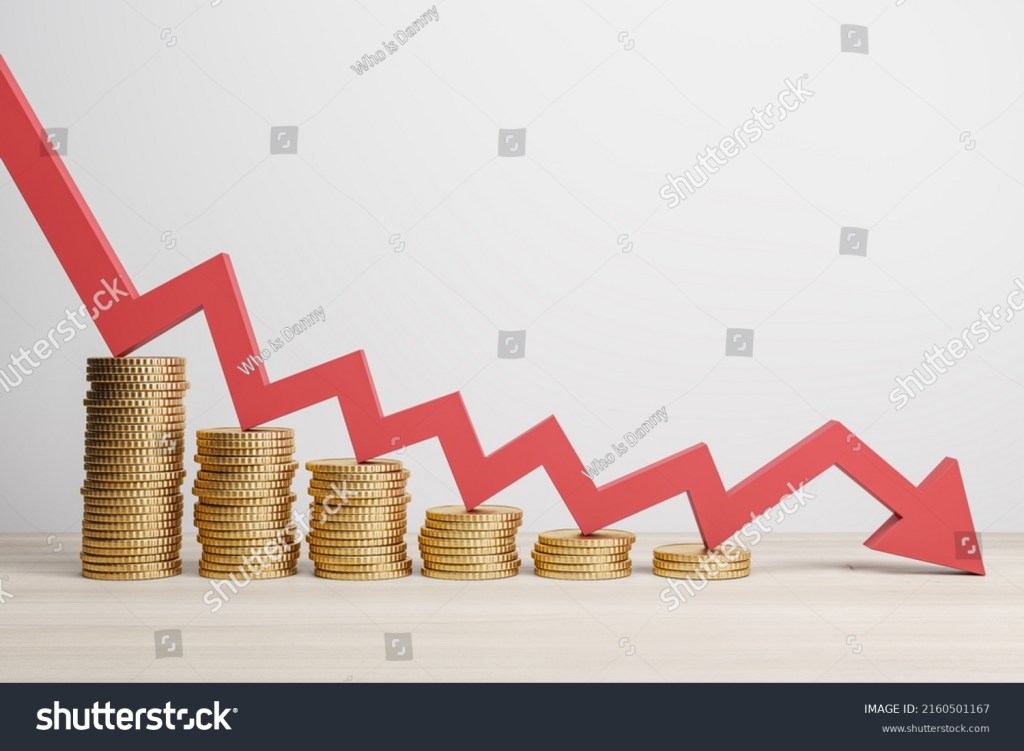
The National Electric Power Regulatory Authority has observed that increasing capacity payments continue to be a worrying pattern, and this issue is expected to continue while losses remain significant and recoveries are insufficient. During a public hearing, industrial consumers expressed worry about the rise in circular debt and rejected the government’s assertions that they have managed to reduce circular debt and lower tariffs through updated agreements with independent power producers (IPPs).
A public hearing was held by the National Electric Power Regulatory Authority (NEPRA) in response to a request from former Wapda power distribution companies (Discos) asking for permission to collect Rs8.4 billion – related to quarterly tariff changes – from customers for the first quarter (July to September) of FY2025-26. The regulator observed that although some tariff relief had been included because of changes in IPP agreements, increasing capacity payments continue to be a concerning issue. NEPRA member Rafiq Shaikh stated that circular debt would continue as long as losses remained significant and recoveries were low.
Members of the industrial sector, expressing their deep frustration over increasing costs, criticized the government’s energy policies and stated that the industry cannot continue in this manner – decisions made in the air-conditioned offices of Islamabad are not effective on the ground. They also dismissed the government’s incremental package as ineffective, warning that circular debt is once again rising, despite previous commitments to control it. While condemning the government’s energy policies, industrial representatives mentioned that the promised reforms have not produced results. Capacity payments are increasing again despite changes in IPP agreements – this indicates that there has been no real change, according to Tanveer Bari. He called on NEPRA to reject the proposed increase in tariffs.
Rehan Jawed, a participant from Karachi, stated that the government’s step-by-step plan for power usage in industries and agriculture was not effective. If the package provides Rs22.90 per unit, it is pointless – the price should be lowered to Rs16 per unit to promote usage and development, he mentioned. Industries still carry a Rs160 billion cross-subsidy burden for other consumers, he noted.
During the hearing, the Discos shared varied consumption patterns across different regions. FESCO’s total electricity usage increased by 6.8 percent, with a 28 percent rise in industrial consumption. GEPCO experienced a 1.5 percent growth, featuring an 11 percent increase in industrial demand and a 3 percent rise in commercial usage. HESCO’s consumption went up by 4.5 percent, while LESCO saw a 4.4 percent increase. On the other hand, MEPCO faced a 5.3 percent decrease compared to the reference period, and QESCO reported a year-over-year decline. In HEZCO, both industrial and commercial demand have also risen.
In their petition, Discos requested Rs21.7 billion in capacity charges, partially balanced by negative adjustments totaling Rs13.3 billion due to cost reductions in operations, system usage fees, and decreased transmission losses. LESCO had the highest capacity charge at Rs8.45 billion, followed by MEPCO (Rs4.35 billion), GEPCO (Rs4.23 billion), and FESCO (Rs2.34 billion). HESCO recorded the biggest negative adjustment of Rs3.21 billion. The Power Division’s absence from the hearing caused NEPRA to express dissatisfaction, leading the regulator to plan to issue a letter of disapproval. The authority will make its final determination after examining the data provided by Discos.
Provided by SyndiGate Media Inc. (Syndigate.info).


 jasdooit
Leave a comment