
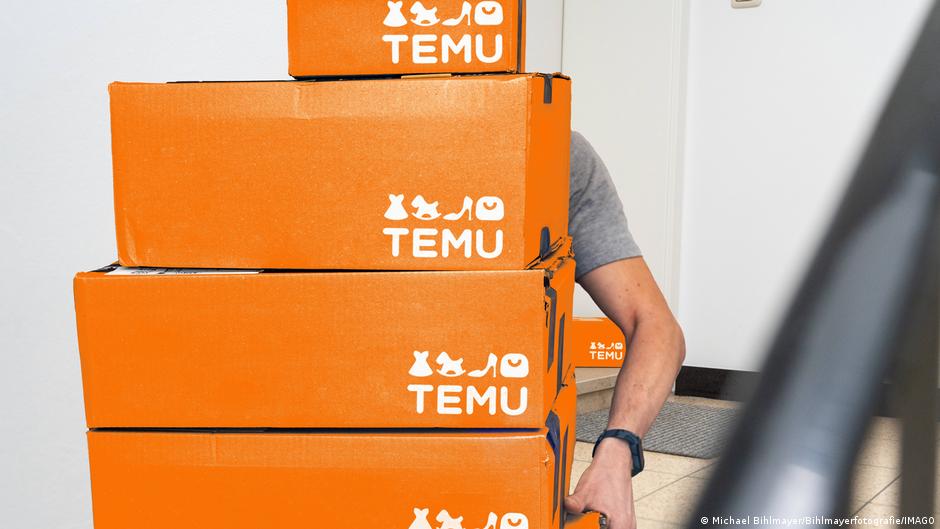
Rapid fashion and other inexpensive products from China continue to arrive in Europe. For officials, this presents a logistical and regulatory challenge, with the EU finding it difficult to manage the massive influx.
When the Chinese fast-fashion e-commerce retailer Shein launched its first physical store last week, there was bothdemonstrations and a group of shoppers.
The physical store located within the BHV Marais department store in central Paris created a strong reaction, not only because it is situated in the heart of high fashion. It generated a mixed response that mirrored how the company is perceived in various other regions.
Ultracheap and still duty-free
Shein, frequently grouped with the Temu online platform that enables manufacturers to sell a wide range of products directly to customers, has faced criticism for issues such as counterfeit items, aggressive advertising, substandard working conditions, and unsafe goods. However, many people appreciate the increased shopping choices and low prices.
Although the two companies differ and operate under distinct business models, the outcome is frequently the same: asurge of inexpensive Chinese productsand the packaging to accompany it.
In addition to being extremely inexpensive, another advantage for the companies was the European Union’s waiver of import taxes on shipments worth less than €150 ($174).
The United States had an equivalent gap for shipments worth less than $800 (€691) but haschanged its regulationsresulting in fewer deliveries. The European Union is nearing the completion of a comparable regulation to eliminate their own low-value gap, although it might not take effect until 2028.
In the first half of 2025, Temu reported an average of 115 million monthly active users in the EU, while Shein had 145 million, based on their own figures. For both companies, this represents approximately a 12% increase compared to the preceding six months.
Billions of packages from China
One major issue with these Chinese e-commerce platforms is their environmental impact. Most products purchased through their sites are shipped directly from manufacturers in China to buyers across the globe. These individually wrapped items are transported via air for fast delivery, causing significant strain on customs departments and frequently making returns difficult.
Environmental organizations are worried about the textile waste generated by inexpensive fast fashion, the trash from plastic and cardboard packaging, along with the emissions produced by the numerous flights required to transport products globally. The figures are truly massive.
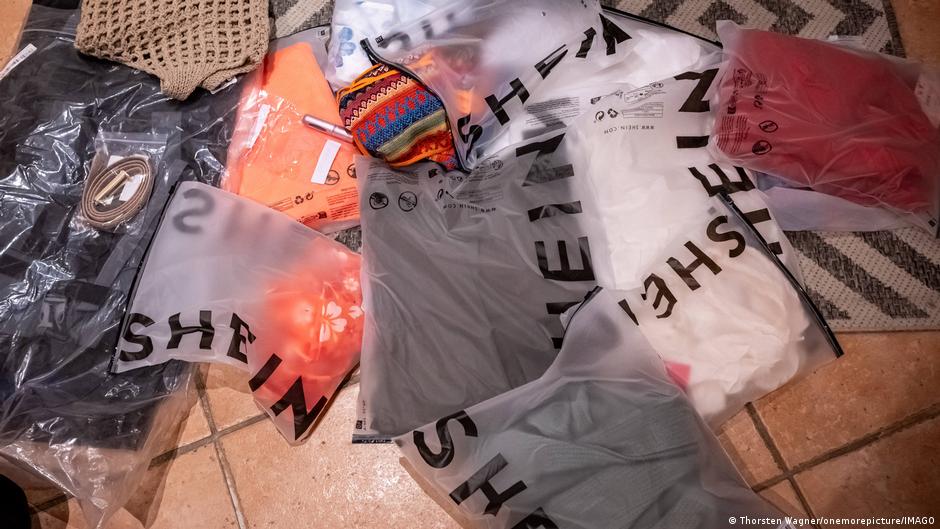
In 2024, approximately 4.6 billion low-cost items were brought into the EU, as stated in a February report from the EU executive Commission. This figure is double the amount recorded in 2023 and more than three times the number from 2022.
Out of these 12 million daily packages, 91% originate from China. Although not every package comes from Temu or Shein, these two platforms collectively hold a significant portion of the market.
“Europe is facing a flood of small packages from China, and this situation shows no signs of abating,” said Agustin Reyna, general director of the Brussels-based European Consumer Organisation (BEUC).
Safeguarding consumers within the European Union
In addition to concerns about sustainability, consumer protection agencies and the European Commission have frequently highlightedwarned of unsafe productsthose that do not comply with EU regulations.
New findings released on October 30 by Stiftung Warentest, an independent group located in Berlin that focuses on evaluating products, support concerns that many have.
The experiments, carried out with participants from Belgium and Denmark, yielded striking outcomes. They examined items such as necklaces, USB chargers, and baby toys.
Out of 162 products bought from manufacturers that sell via Temu and Shein, 110 did not meet EU requirements, and approximately one-fourth posed potential risks. Certain items contained elevated levels of formaldehyde or heavy metals such as cadmium. Some USB chargers became excessively hot.
The European Consumer Organisation believes that violating safety regulations creates an unfair market advantage, as certain companies offer products that fail to meet European safety requirements, whereas local businesses are obligated to adhere to these guidelines.
EU officials are not remaining inactive.
In May, the European Commission informed Shein regarding activities on its platform that violate EU consumer regulations. Complaints include false discounts, urging customers to finalize purchases, incorrect details about consumers’ legal rights, deceptive product labels, and inaccurate sustainability assertions.
In July, the Commission initially determined thatTemu has violated its responsibilitiesUnder the Digital Services Act, they have not done enough to prevent the selling of illegal items. Additional inquiries are being conducted and may result in a significant penalty.
European nations are also not remaining inactive.
In October, Germany’s competition regulator, the Cartel Office, launchedproceedings against TemuThey are interested in determining whether the platform might be affecting the pricing on its German online marketplace, including establishing the final selling prices.
In August, Shein received a €1 million penalty from Italy’s competition regulator due to employing deceptive environmental statements.

In July, Shein received a €40 million penalty from France’s competition authority due to deceptive discounts and false environmental statements. This increases the company’s total fines in France this year to €191 million.
France has taken an additional step by developing new rules targeting fast-fashion brands such as Temu and Shein. Should these measures be approved, they would prohibit advertising from these companies within France, require them to disclose the environmental impact of their products, and impose a charge of up to €10 per item purchased.
Heavy penalties and increased regulations could hinder Chinese e-commerce leaders but won’t halt their progress.
Europe must organize itself and hold Temu and Shein responsible,” said Agustin Reyna. “We require clear accountability and effective penalties when the items they offer violate our regulations.
For this to be achievable, the EU requires bold customs reform and effective market monitoring. However, if the EU permits items valued below €150 to enter without duties until 2028, businesses will keep exploiting the gap, and European consumers are expected to keep purchasing.
Edited by: Uwe Hessler
Author: Timothy Rooks



 jasdooit
Leave a comment