
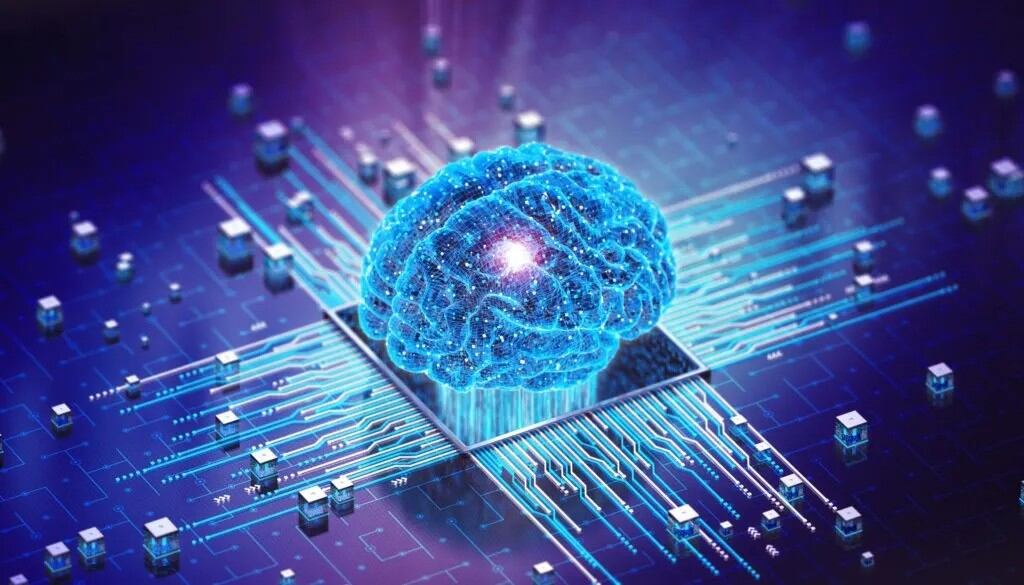
Scientists are growing human brain cells in lab settings to turn them into biological circuits for advanced computers—known as “bio computing.” Although it may seem like something from a sci-fi movie, small teams of researchers are slowly making progress. The international journal *Nature* featured these scientists in a special edition on the 11th, emphasizing their work in developing supercomputers using human brain cells.
FinalSpark, a biotechnology startup located in Visp, Switzerland, is leading the way in bio computing. The company is working on a “biological processing unit” using neural organoids—artificial organs formed by culturing human stem cells in three dimensions.
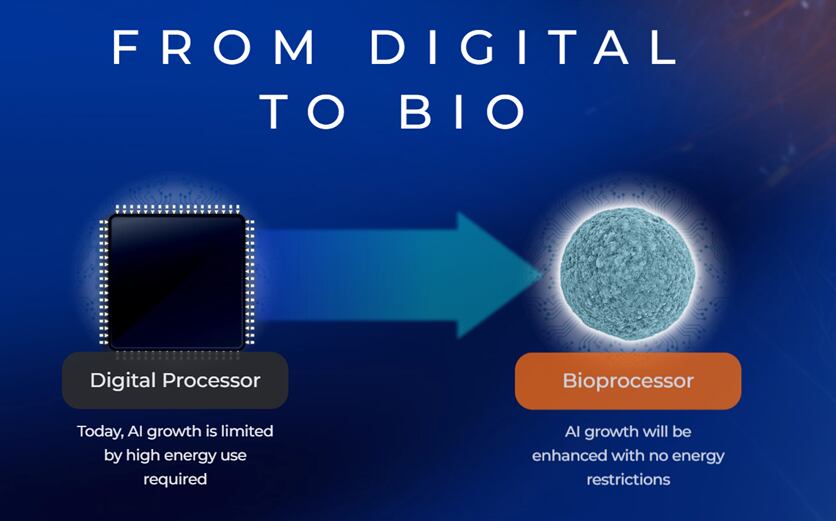
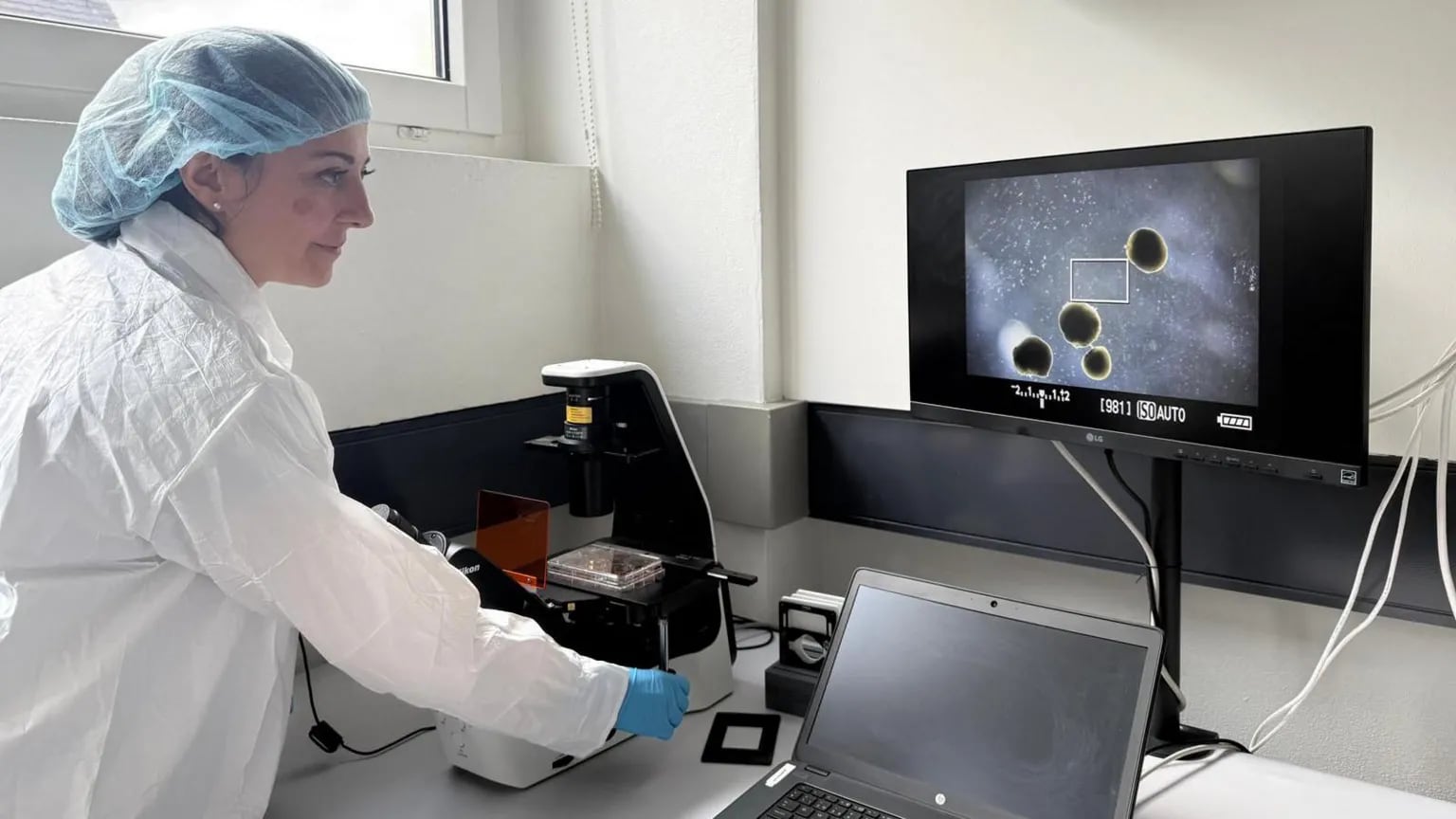
The organization has recently managed to link 16 mini-brain organoids to develop a low-energy biological computer. In other words, they are exploring groups of artificial neurons cultivated from human cells to operate like a computer.
Scientists transmit or receive electrical signals to the brain organoids, performing “input→processing→output” experiments, much like computer circuits. Real-time response graphs that look like brainwaves show up on computer screens, illustrating how the artificial brains communicate through signals.
Although the system is not yet sophisticated enough to be referred to as “computing,” FinalSpark mentioned, “We have prolonged the survival of the organoids to four months and are offering online access to researchers globally for experimentation.” The objective is to investigate the possibilities of employing neurons for future AI systems or extremely energy-efficient computers.
Individuals studying bio-computing use the term “wetware” to describe “life-based hardware” made up of living tissue. This term specifically denotes computers constructed from human brain cells.
Unlike conventional computers that use silicon chips and electronic circuits, wetware functions as a biological computer similar to a living brain. It stores and processes data by exchanging signals between nerve cells, allowing it to adjust, acquire knowledge, and modify connections in a manner akin to the human brain.
The idea of wetware first appeared in science fiction but has now been embraced by scientists to refer to the processing abilities of living beings.
Wetware is already being utilized in areas such as brain-computer interfaces (BCI), for instance, managing robotic arms through neural signals or reviving sensation in individuals with nerve injuries. Although efforts to create large-scale supercomputers using lab-grown brain organoids are still in the initial phases, ongoing studies take place around the world.
For instance, FinalSpark recently worked with the University of Bristol to explore if brain organoids could identify different electrical stimulation patterns.
The team affixed a “tactile sensor” to a robotic finger in order to interpret braille characters. The braille information captured by the robot was transformed into electrical signals, which were then sent to eight electrodes on the organoid’s surface. The neurons inside the organoid reacted, accurately identifying the braille. The neurons exhibited regular patterns for particular braille signals. The research group mentioned, “Accuracy was approximately 61% with a single organoid but increased to 83% when using three.” This experiment showed that organoid neurons, although at a fundamental level, can analyze and recognize data.
Dr. Alison Muotri from the University of California, San Diego (UC San Diego) is also exploring “AI processing through brain cells.”
He has recently developed brain organoids derived from 250 groups of artificial neurons. These organoids are being trained to forecast the spread of oil spills in the Amazon rainforest by transforming environmental data into electrical signals. This represents the initial use of bio computing for industrial issues. Muotri mentioned, “It’s still in the testing stage, but we plan to release findings within three years.”
An Australian startup named Cortical Labs is consistently exploring the integration of brain organoids, developed from human stem cells, with semiconductor chips to develop computers that function similarly to the human brain. In 2022, they managed to train brain cells to play the computer game *Pong*, and this year, they introduced *CL1*, the first commercial biological computer available globally. Although it is not yet capable of handling complex computations like a conventional computer, the company aims to further develop the technology. Researchers and companies can also use the device via the internet.
A U.S.-based biocomputing startup named Koniku Kore is working on hybrid devices that integrate artificial neurons with semiconductor technology. These neurons function as sensors on the chips, capable of detecting odors or certain chemicals. This innovation has the potential to recognize explosives, drugs, or conditions such as cancer. Nonetheless, it is still more akin to a “smell-detecting chip” rather than a supercomputer.




 jasdooit
Leave a comment