
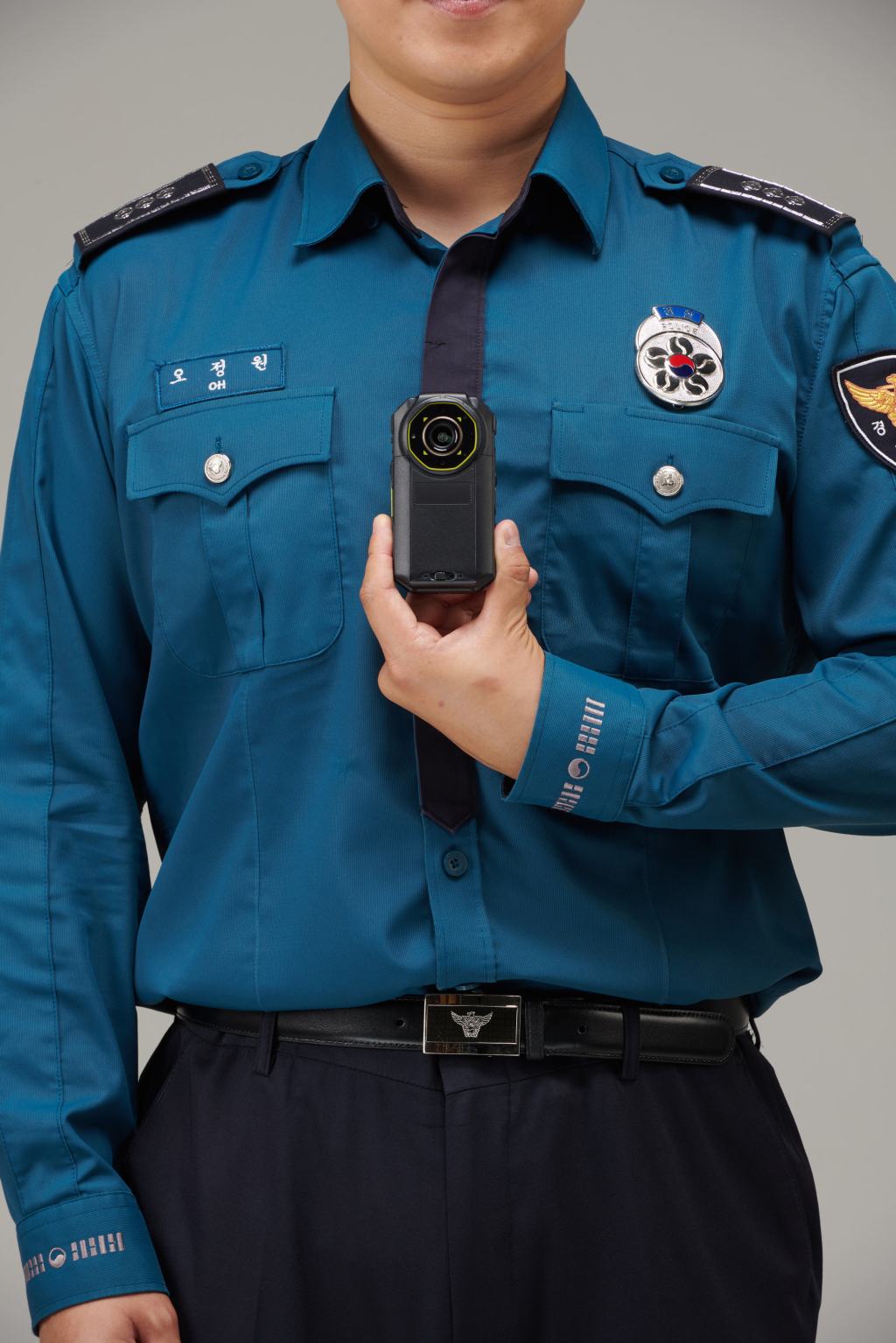
On the 3rd, at the CyberTelBridge office in Seoul’s Guro District, an employee held a black device about the size of an adult man’s palm, powered it on, and logged in using an ID and password entered on the built-in keypad. When the record button was pressed, a red light flashed alongside a voice guiding, “Recording will start.”
This gear is the ‘bodycam,’ a portable video recording device that the police intend to provide to officers across the country by the end of this month. Although bodycams are commonly used by law enforcement in countries such as the U.S., within the country, only some officers have bought them using their own money. The recorded videos were also kept on personal USB drives, and proper security measures were not in place.
As a reaction, the police have officially issued body cameras as standard gear and set up a process for storing and sharing video recordings. In the future, should disputes emerge regarding initial actions like overuse of force or inaction by officers, it is anticipated that body camera footage will provide a clear view of events.
◇ Extensive Nationwide Deployment of More Than 14,000 Body-Worn Cameras… No Ability to Edit or Remove Recordings Yourself
The police intend to hand out more than 14,000 body-worn cameras by the end of this month to officers who are regularly sent to the field, such as traffic officers, local police at stations and sub-stations, and mobile units. These cameras can capture video in 1080p quality for about 2,500 minutes. Once charged for two hours using a Type-C charger, they can operate for up to 36 hours without needing to be recharged. The police will also issue cases that enable the bodycams to be fastened to the waist or chest.
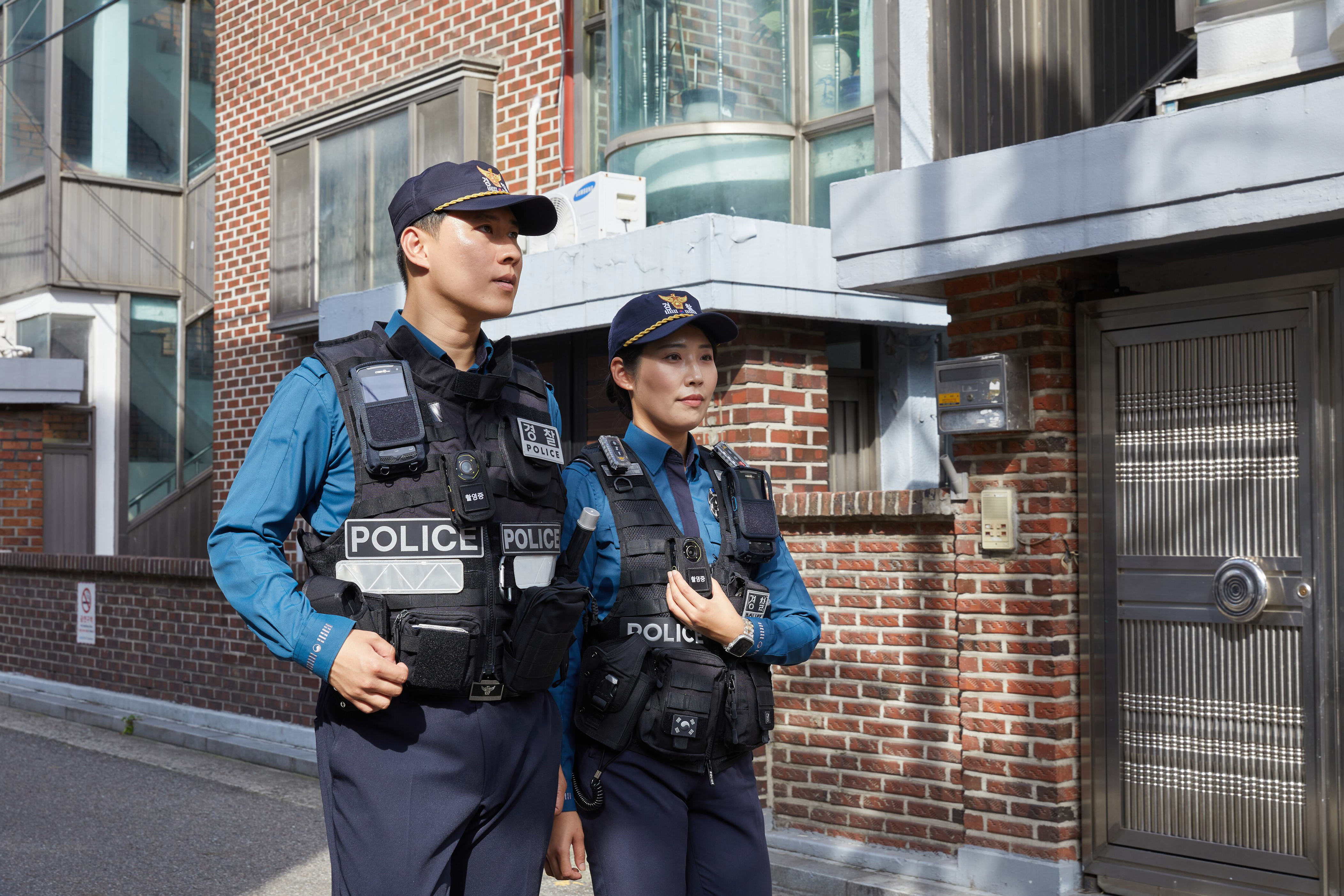
It is also possible to record from multiple angles based on the circumstances. When an employee at the company pressed the side button of the bodycam that day, other bodycams in the office started recording simultaneously with a guidance voice stating, “Team sync recording.” This function enables bodycams within a 10-meter range to operate together, designed to capture events from different perspectives at the scene. Officers who record videos must categorize them into seven types—physical force application, protection of intoxicated persons, obstruction of official duties, enforcement, guidance, civil complaints, traffic accidents, others, and not selected—and store them on the device.
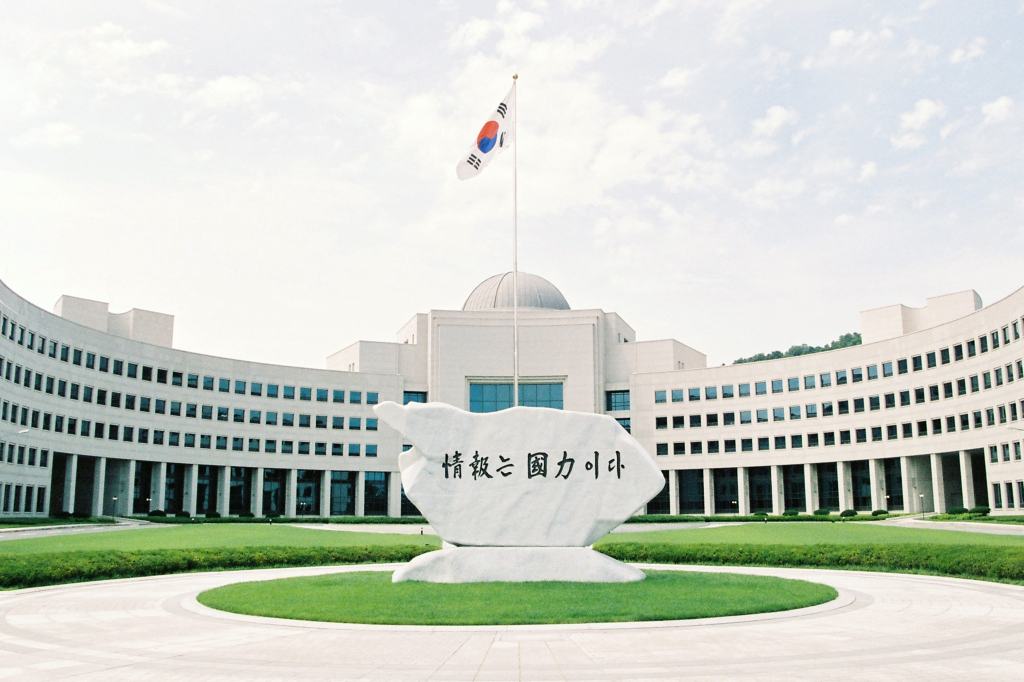
Recorded video footage is automatically sent to the server of the Gwangju Metropolitan City National Information Resources Service branch through a 5G connection linked to the body camera. Officers can watch the videos for 12 hours following the recording, but they cannot edit or delete them themselves. This measure is in place to stop officers from altering the videos for their benefit. Once uploaded to the server, the videos are kept for 30 days before being deleted, although the storage period can be extended to 180 days if needed for evidence, following the appropriate procedures.
In addition to the police, individuals involved in incidents can also access bodycam footage by submitting requests for information disclosure. When this occurs, the police system’s internal editing feature automatically blurs the faces of third parties not involved in the incident and vehicle license plates in the video.
In the past, acquiring videos captured by police through private body cameras required manual mosaic processing, with the information request applicant covering all associated costs. A police source stated, “There were instances where the cost of mosaic processing alone surpassed 10 million South Korean won, but now the financial responsibility has greatly reduced, making it simpler to obtain the videos.”
Bodycam footage is restricted to criminal incidents and cannot be utilized for gathering evidence during gatherings. Nevertheless, recording is allowed if a crime takes place at a gathering location, like the Western District Court incident this past year.
◇ Frontline Personnel Voice Complaints: “An Additional Chain Added”
Among frontline officers who were issued body cameras, there are complaints that “another restriction has been imposed.” Once body camera footage is captured, the police response is recorded, and it cannot be erased. This has placed a greater responsibility on officers to strictly adhere to applicable laws and protocols when dealing with incidents. Some also express concern that “even if body cameras are provided, officers may choose not to use them in the field.”
A representative from the Korean National Police Agency stated, “There have been many instances where the police’s initial reaction was criticized, such as the 2021 Incheon Namdong-gu villa knife attack and the July Songdo homemade firearm incident this year.” They further mentioned, “The implementation of body cameras will serve as a chance to improve the police’s on-site response abilities according to public expectations.” Although it may initially place a greater load on frontline officers, the aim is to encourage more comprehensive on-site responses through this measure.


 jasdooit
Leave a comment