
STORY HIGHLIGHTS
- In five years, a glass recycling company based in Nairobi has expanded from 60 to 140 workers and generates an annual income of $800,000.
- The company was awarded a $36,000 grant through the World Bank-supported Kenya Youth Employment and Opportunities Project (KYEOP).
- Via the KYEOP’s MbeleNaBiz Initiative, 750 young Kenyans were awarded grants amounting to $9,000 or $36,000 to launch enterprises in various industries – generating more than 3,000 direct employment opportunities.
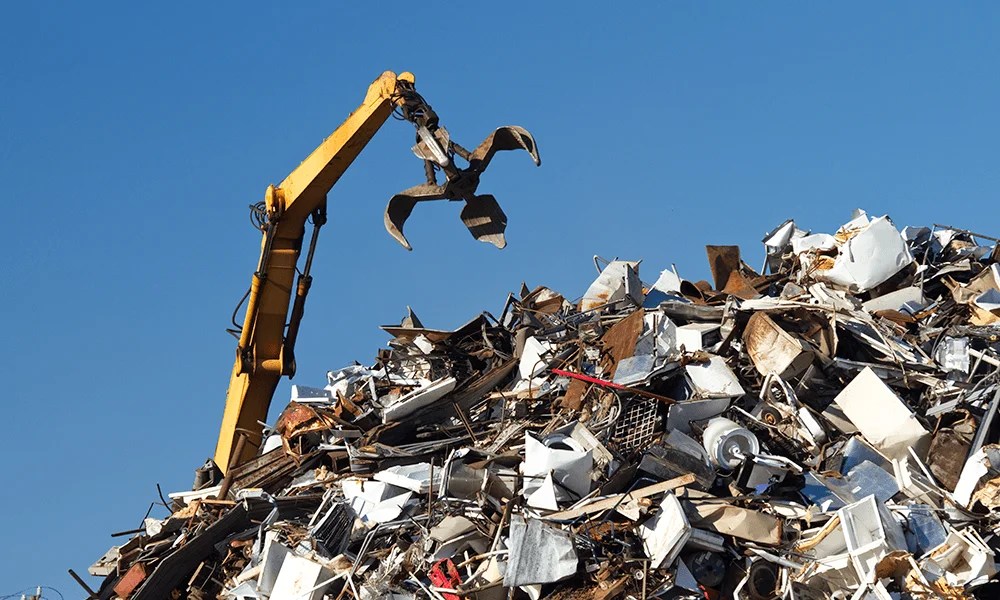
Louisa Gathecha had the idea while working for a food and beverage company, a position that required her to travel across Kenya, Burundi, the Democratic Republic of the Congo, South Sudan, and other regions. Observing how glass bottles and jars were discarded as waste, she identified a significant gap—and a potential opportunity—in the recycling market.
Louisa transitioned from being an employee to starting her own business in 2020, only four months after using her savings to invest in a glass crushing venture. Now a new mother, her personal goals were also changing. She no longer felt the need to travel as frequently. Being close to home was more appropriate for her new role as a mother.
Her timing was fortunate. A Kenyan government program,MbeleNaBiz(Forward in Business) organized a contest for individuals aged 18 to 35 to obtain grant money with the opportunity to run businesses that generate employment. She was among the 750 winners, and the $36,000 in grant support allowed Louisa to expand her company,Bottles Logistics EA Ltd, in a thriving part of Nairobi and generate employment.
Initially, she needed to adjust it to the pandemic situation. In the time of COVID, many glass manufacturers closed down, leading to a decrease in demand for crushed glass. However, as home consumption of alcohol increased, waste management companies started gathering a large number of empty bottles. Kenyan distillers and bottlers replaced glass manufacturers as her primary clients, and they continue to be so, with reusable bottles now making up 80% of the business.
Currently, in a spacious, well-ventilated shed featuring a smooth concrete floor and a fresh metal roof, many women wearing green aprons and rubber boots clean clear glass bottles using wire wool inside plastic drums filled with soapy water. Louisa attributes the implementation of semi-automated washing stations, which include green bottle brushes, in January of this year, to the rise in processing capacity from 720,000 to 1.2 million bottles per month.
Far from the shed, broken bottles, including those with chips, scratches, or cracks, are manually put onto a conveyor belt for crushing and recycling. This method enables producers to melt them down, which is not only less costly but also more eco-friendly compared to making new glass from raw materials.
Following the outbreak of COVID, the company has increased its production of crushed glass from 80 to 300 tons of processed cullet monthly, supporting Kenya’s broader recycling demands through a low-cost, eco-friendly approach that reduces carbon emissions, keeps waste out of landfills, and can be easily duplicated.
Louisa’s company has grown from 60 employees to 140, and its annual revenue has increased threefold to $800,000.
Expansion
Gathecha, one of the “highs” of being an entrepreneur, expresses that generating new employment opportunities brings her a sense of fulfillment. She has recently established a new glass crushing facility in Nakuru, a city located in the Rift Valley, which employs 70 people.
Numerous employees of hers were born and grew up in Kenya’s most impoverished city areas. Young people are overrepresented in precarious jobs, such as self-employment, unpaid family work, and positions in the informal economy, which typically require minimal skills and offer low wages. As bottle-washers, they receive $1 for each crate containing 62 bottles. Their daily income, ranging from $3 to $5.50, aligns with Kenya’s legal minimum wage for the type of work and location.
Current employees within the company have opportunities for skill development. Tabby Njeri, a 29-year-old single mother of two, transitioned from a bottle washing position to quality control, earning as much as $40 over her six-day workweek. 76% of Louisa’s workforce consists of women.
Exodus
The job crisis in Kenya is so intense that many university graduates feel compelled to leave the country in search of employment. Following her Bachelor of Arts in Commerce and Marketing, Louisa found herself in a field she had never anticipated. What advice does she offer to recent graduates?Awaken your vision, as there are numerous open entrances. You need to get ready and choose any door that is accessible.
She discusses the ups and downs of being a business owner. Her “highest high” was spotting a profitable market in Asia for exporting colored glass, which cannot be recycled in Kenya.And my lowest point was when I lost one of my major clients,She said. That being said, the customer returned to her two years later.
Advice from technical experts via KYEOP, she says, is one of the most valuable forms of assistance. She was not aware, for instance, that theKenya Export Promotion and Branding Authority (KEPROBA)provided exporters with advice, and the nation’s 2022 Finance Act provided new businesses with a 15% tax cut over a decade. Being a woman in a male-dominated field “has also not been an easy path,” Louisa mentions.
Government and donor backing
MbeleNaBiz, one of four programs within the Kenya Youth Employment Opportunities Project (KYEOP), operated between 2019 and 2023 to support high-potential entrepreneurs in generating employment for other young people. By providing single cash grants of $9,000 or $36,000 along with business development assistance, the program supported 750 Kenyans who had creative ideas across various sectors including agriculture, horticulture, beekeeping, construction, recycling, livestock farming, tax services, digital products, advertising, delivery, cosmetics, and hair care. These grants helped startups and established businesses expand, introduce new market innovations, and double their employee numbers—resulting in over 3,000 direct job creations.
KYEOP supported 145,000 young people, with 87% securing jobs, generating 30,000 indirect positions, and increasing income by 50%. Leveraging this achievement, it opened the door forNational Youth Opportunities for Progress initiative (NYOTA)A country-wide initiative that broadens youth employment programs to every one of Kenya’s 47 counties.
Copyright 2025 World Bank. All rights reserved. Distributed by AllAfrica Global Media ().
Tagged: Africa, Aid and Assistance, International Organizations and Africa, External Relations
Provided by SyndiGate Media Inc.Syndigate.info).



 jasdooit
Leave a comment