
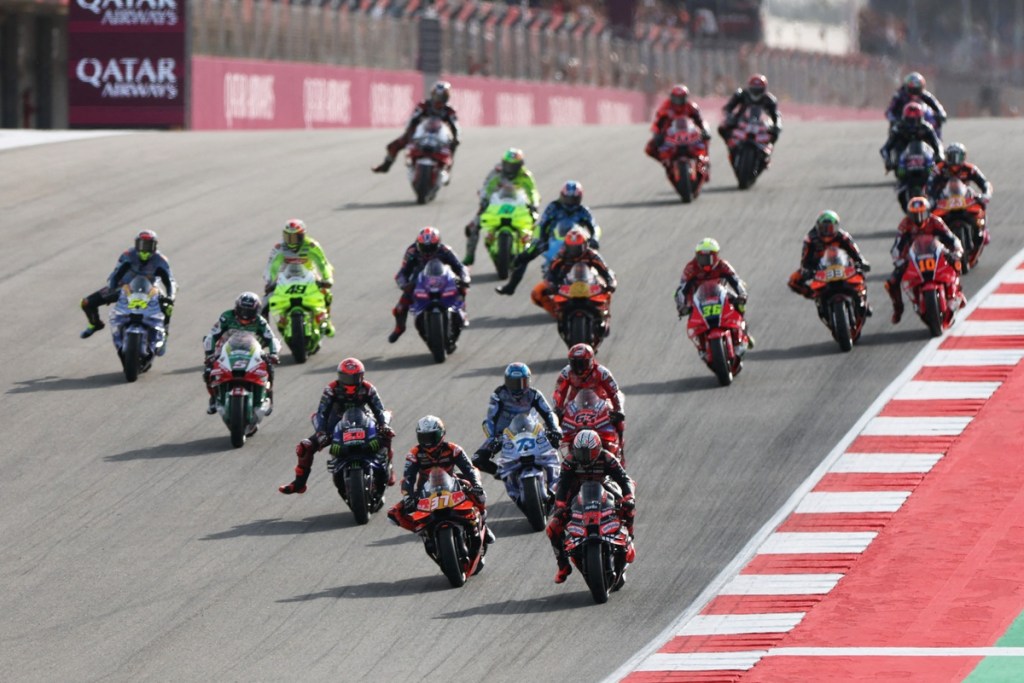
In 2027, new technical rules will be implemented in MotoGP, featuring 850cc engines, less aerodynamic components, the elimination of dynamic ride-height systems, and what many consider the most important alteration: Michelin will exit the series, with Pirelli taking over as the exclusive tire provider.
The Milan-based company conducted trials with its initial prototypes in Misano last September, and in 2026 it will perform additional tests to finalize the compounds it plans to produce for MotoGP. During the recent Valencia GP, they met with Giorgio Barbier, the racing director of Pirelli’s motorcycle division, the engineer overseeing the Italian firm’s entry into the top tier of motorsport.
Q. Which phase are you currently in regarding the development of MotoGP tires?
A. We are in the early stage, considering that we are initiating a new project with particular specifications for MotoGP, which involves larger rims compared to WorldSBK. Meanwhile, we must handle the batches we will deliver to the various manufacturers with great care, allowing them to conduct the necessary tests and develop the bikes throughout the upcoming season.
Q. A few months back, a test occurred in Misano. Another one was planned for Valencia, immediately following the final grand prix, but it did not happen.
A. The Misano test was highly successful, and I didn’t feel the need to challenge it since it took place under ideal conditions: two days after the MotoGP race, with identical weather and a track that had been well-rubbered. The day before (Monday), there was a group test (IRTA), so all the reference points were perfect. Arriving with our tyres already fitted on the bikes, without being able to make many adjustments, provided useful data for us, the manufacturers, and the teams. In this way, we set the benchmark we intended to continue working with. Once the season concludes, we can begin testing the 850cc bikes, so from now on we needed tyres to provide to the manufacturers that are ready to test the benchmark that performed well in Misano; that is the tyre we will start with in the upcoming tests.
Q. What will be the primary benefit of the Pirelli tire?
A. We still aren’t certain because it’s a championship featuring five manufacturers. However, based on the information we’ve gathered from riders who have transitioned from MotoGP to WorldSBK, they highlight the front tire as its main strength. This is due to the amount of feedback it provides and the communication it offers. It speaks to the rider, helping them grasp track conditions and, therefore, giving them confidence. And that’s crucial, as the front end is essential for riding.
Q. Will the tires used in MotoGP be comparable to those utilized in SBK or Moto2?
A. It is evident that our DNA is found in all of them, as the production process is identical. Hence, regardless of size, the Pirelli essence must remain unchanged, and we aim to keep it that way, as it is what maintains our connection with the market.
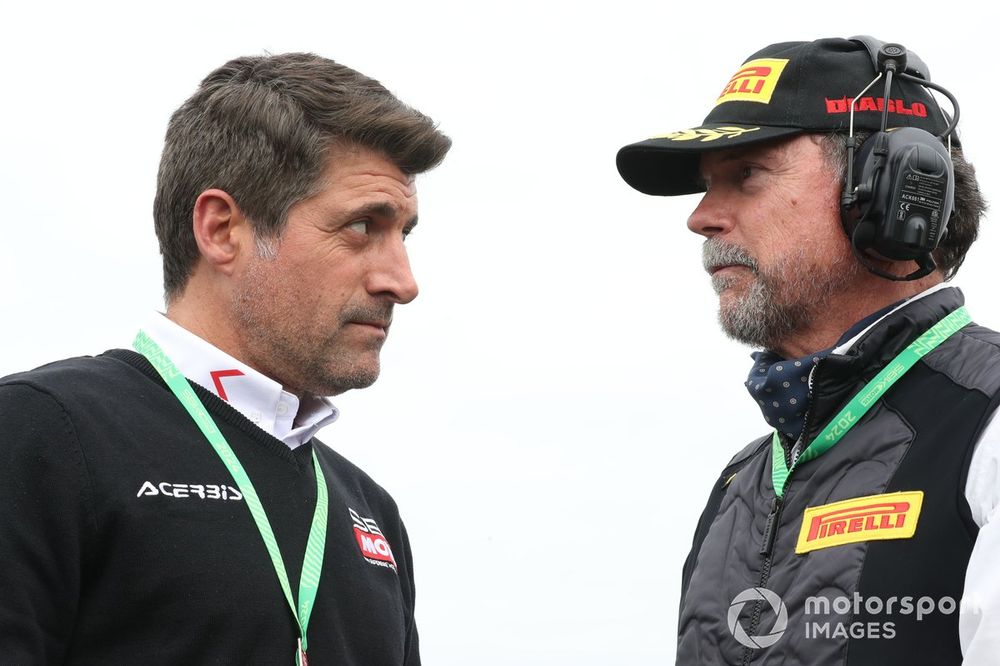
Q. Prior to beginning tire manufacturing, did you consult with the riders to understand their expectations from Pirelli?
A. For now, we haven’t communicated with them, as we need to honor the contract Dorna has with the current supplier. We don’t wish to disrupt the remaining season. Nevertheless, we have our own plans. Naturally, we’ve discussed with the technicians and are in touch with the engineers from the manufacturers. We are familiar with the environment, having known the paddock personnel for many years, and we have a clear vision of how we intend to proceed in the future.
Q. Do riders who are already familiar with Pirelli from Moto2 or WorldSBK gain any benefit?
A. I have a lot of admiration for MotoGP riders. I believe they won’t face significant challenges in adapting to a new tyre. Over the years, we’ve witnessed top riders such as Carlos Checa, Troy Bayliss, Alex Barros, or Max Biaggi, when they transitioned to Superbikes, quickly grasp the tyres. Some managed to win their first race soon after, so I don’t perceive any major issues from this perspective. It’s evident that those riders who have more time and more chances to test our tyres throughout next year will hold a slight edge in 2027.
Q. In recent seasons within MotoGP, tyre performance was assessed through lap records. Will Pirelli follow this approach in the future?
A. This was a crucial aspect when we became the only supplier in Superbikes; with no competition, how could I assess my development and progress? Initially, I evaluate it based on product quality; meaning that all riders have a comparable product that functions effectively with their bikes, irrespective of the manufacturer. Next, we examine the records. If there is consistent improvement each year, it indicates that I am performing well. Therefore, yes, we closely monitor performance in this regard, and it continues to be a significant metric for us.
Q. Which holds greater significance for Pirelli: safety or performance?
A. The top priority initially will be making sure that all manufacturers and riders collaborate effectively with us, and that we maintain a mutual feedback loop. Grasping the requirements and defining with Dorna the boundaries we aim to establish for this championship regarding entertainment value.
Q. Can you elaborate?
A. We have never pursued any performance-related concessions. In WorldSBK, progress is essential. It’s evident that in a championship of this caliber, competition, expertise, and top-tier performance are crucial. We can’t manufacture tires from wood or iron to prevent issues. In Moto2 and Moto3, over the past two years, we’ve made significant achievements—and always with safety in mind.
Q. Luca MariniHe stated he doesn’t mind if Pirelli tires are quicker or slower, as long as they remain consistent. Can this consistency be assured?
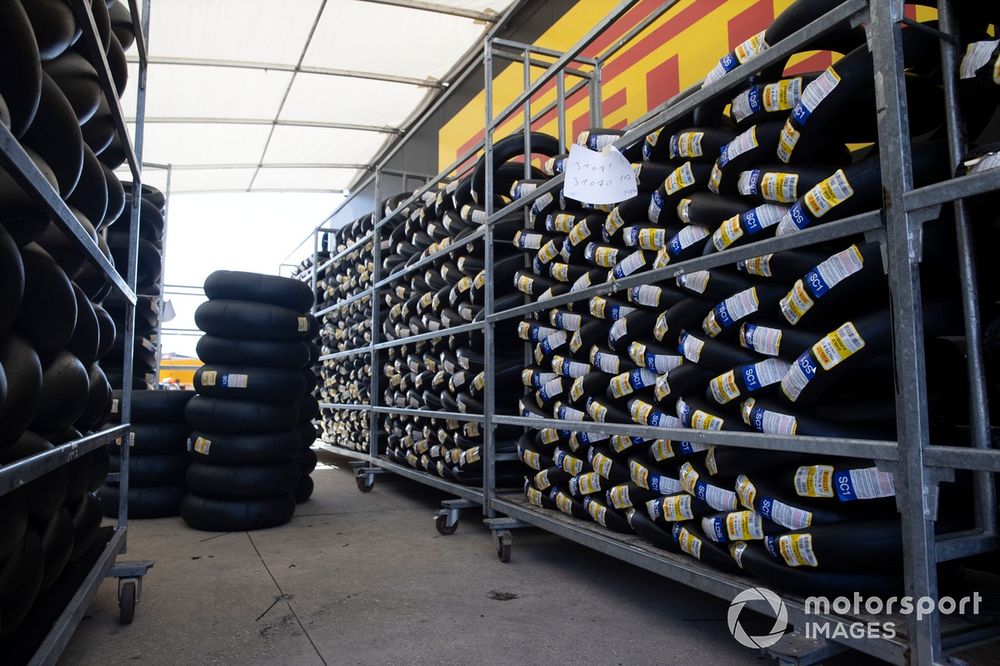
A. Quality is a crucial aspect, which we thoroughly explained to Dorna when we first started talking about this project. In a company that mass-produces a standardized product in thousands of units, quality checks that ensure consistency are vital. While it’s possible for a faulty tire to occur, it’s improbable that there would be a widespread issue leading to many substandard units. The higher the production volume, the stronger the assurance of maintaining high-quality standards.
Q. Where will Pirelli MotoGP set up its activities? Will you create any collaboration with Formula 1?
A. The offices are located in Milan, at Pirelli’s headquarters, where the F1 division is also based. F1 tyres are produced in a different facility, but we will continue to operate in Germany, where all radial motorcycle tyres are manufactured. The main synergies arise from a working approach we are developing through our collaboration with manufacturers. They ask for data from us, which we can supply, also drawing on our experience in F1, so there will be ongoing exchange in this regard.
Read Also:


 jasdooit
Leave a comment