
The International Rally Championship will include required downtime periods in the upcoming season after the FIA World Motor Sport Council approved changes to the sporting rules.
Rally routes have been a significant discussion point in the WRC for a while, with the issue gaining clear attention during this year’s Rally Portugal.
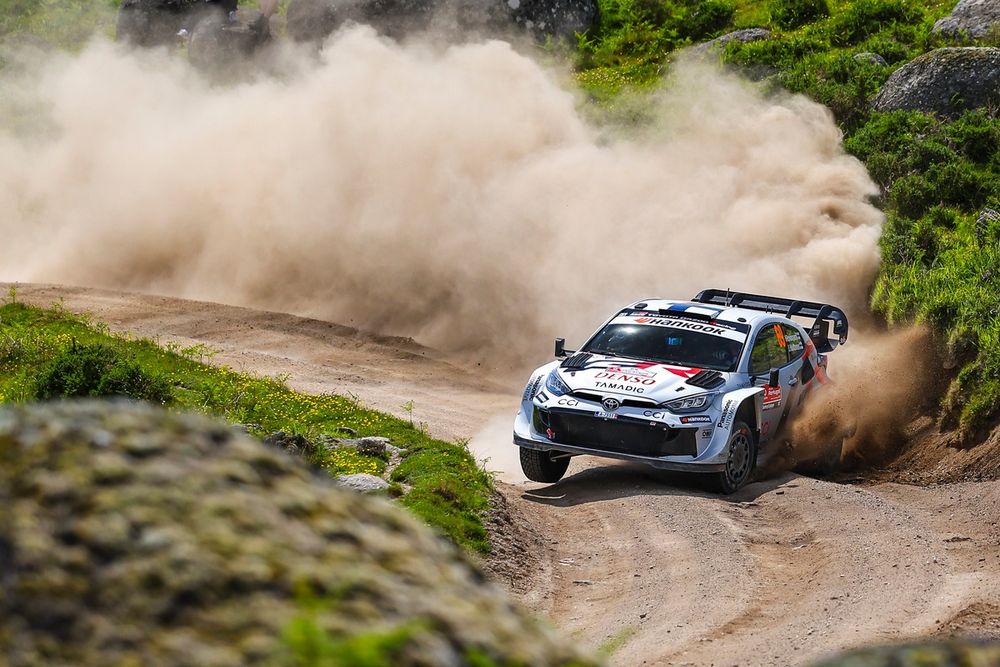
The event’s schedule, which included 15-hour days without a midday break, faced backlash from drivers. Toyota’s Kalle Rovanpera mentioned the timetable created a safety hazard for the teams, while rally champion Sebastien Ogier acknowledged it as one of the most challenging races of his career and suggested adjustments to future schedules would be necessary.
The WRC Commission introduced a suggestion to establish minimum rest times, ensuring drivers and staff have sufficient time to recover between rally days. This has since been accepted by the FIA.
The total number of rest hours throughout the rally must now be no less than the total competition hours, except on the first day. At least 10 hours each day should be allocated for rest, with one stage requiring a minimum of 12 hours.
“A new rule has been implemented, specifying minimum rest times at FIA World Rally Championship events, as mentioned in a statement from the FIA, following input from teams and competitors about prolonged rally competition hours in recent seasons,” said the FIA.
The regulation provides official definitions for competition and rest periods throughout the rally. It sets minimum limits for overnight recovery, mandating that total rest hours during the event must be no less than the total competition hours, except on the first day of the competition. Additionally, daily rest periods must not be shorter than 10 hours, with at least one day offering a minimum of 12 hours of recovery time.
These actions aim to promote more uniformity among events and offer additional downtime for crews, teams, officials, and volunteers.
The FIA has also introduced a new system for candidate rallies — testing events that must occur before an event can be added to the WRC calendar. These tests must now take place the year before the event is included in the WRC schedule and no later than nine months before its official start.
Regulations about engine changes have also been modified. Teams experiencing an engine malfunction after the competition has begun can swap their engine, except for Rally1 vehicles designated to earn manufacturer points.
A 60-minute penalty will be imposed if an engine is replaced after the competition phase of the rally has begun, and this penalty disqualifies any competitor who has altered their engine from earning points in any FIA championships or cups during that event.
The midday service duration has been cut from 40 to 30 minutes, reverting to the previous norm prior to the implementation of the Rally1 hybrid regulations in 2022.
There have also been adjustments to the rules about chicanes on stages. A five-second penalty will be given to a competitor only if a chicane component is entirely moved from its designated spot. Toyota’s Elfyn Evans received a penalty during the Central European Rally in October after hitting a hay bale chicane.
Read Also:


 jasdooit
Leave a comment