
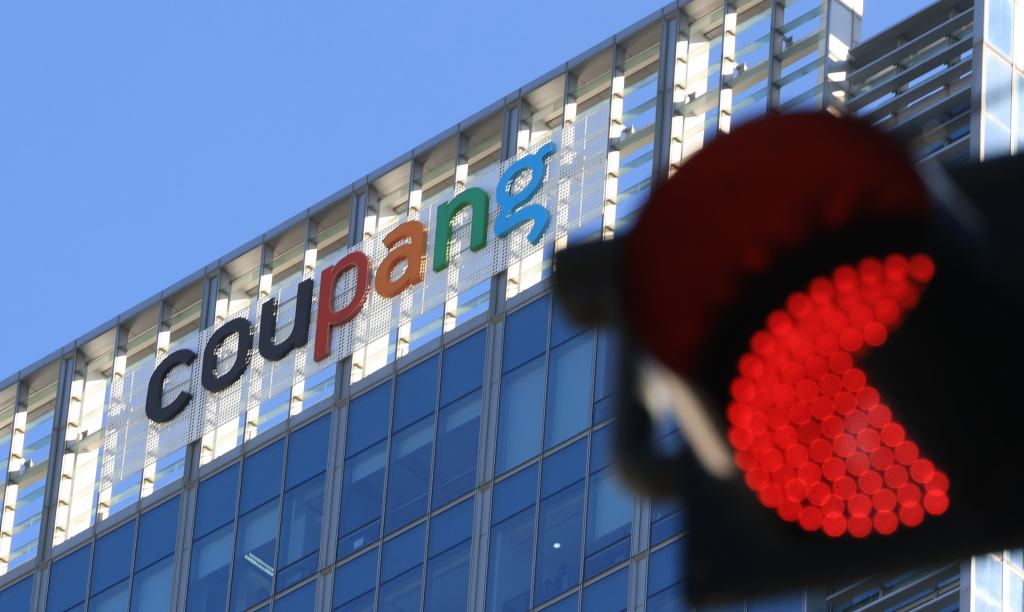
After a data leak that exposed the personal details of 33.7 million Coupang users, there has been an effort to modify the ‘Personal Customs Clearance Code.’
Coupang’s CEO Park Dae-jun mentioned during a session at the National Assembly that day, “The current investigation has verified that personal customs clearance numbers were not disclosed,” yet consumer worries continued to grow as people feared that the codes might be misused for international direct purchases or smuggling.
As per information provided by Rep. Jeong Il-yeong’s office to the Korea Customs Service on the 2nd, there were 123,302 instances of reissued customs codes on the 30th of last month and 298,742 instances on the 1st. This amount is almost four times the total number of reissued cases between January and October this year (111,045 cases).
The count of customs code cancellations also increased significantly. Although the daily average ranged between 10 and 20 instances, there were 3,851 cancellations on the 30th of last month and 11,312 on the 1st.
The Individual Customs Declaration Code is a 12-digit number used to recognize purchasers during customs processing for international direct purchases.
Coupang also asks customers to enter their customs code when utilizing its international direct purchase service. Following the announcement of the Coupang data leak on the 29th of last month, online discussions encouraging users to update their codes became widespread.
A user posted on X (formerly known as Twitter), “A package I didn’t order, containing my name, phone number, and address, is being sent from China to a home where a woman lives by herself,” and advised to reissue the code. Other online users responded, “It might be for smuggling” and “I strongly suggest you reissue your code.”
The Personal Customs Clearance Code can be accessed and reissued via the Korea Customs Service’s electronic clearance system, UNI-PASS, following identity confirmation. Instances suspected of being misused can also be reported through the ‘Personal Customs Clearance Code Fraud Reporting Menu.’
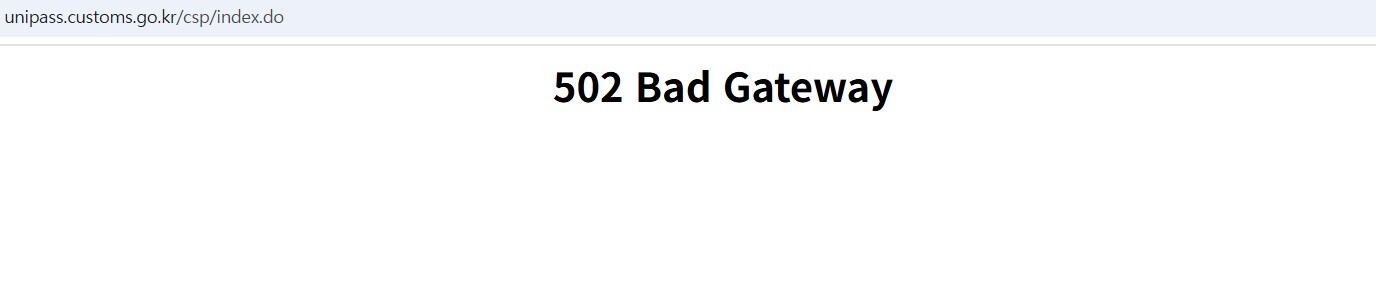
Due to this campaign, the UNI-PASS website experienced a significant rise in traffic, leading to delays. This is probably because of the sudden surge in users attempting to reissue their codes after the Coupang incident.
At a certain time, the UNI-PASS homepage showed a ‘502 Bad Gateway’ error, suggesting the server was overwhelmed. The customs service published a message on its website saying, “Because of higher usage of UNI-PASS and delays in server processing, some services might not be accessible.”
In 2026, the Personal Customs Clearance Code will need to be renewed annually, and the customs authority may suspend it on their own initiative if there are suspicions of fraudulent activity. Furthermore, the National Secretary ‘Gupii’ under the Ministry of the Interior and Safety offers a notification service via KakaoTalk or the Naver app to keep users updated on the clearance status of online shopping items purchased from abroad.


 jasdooit
Leave a comment