

Addis Ababa, December 1, 2025 (ENA) — Digital agriculture has become crucial for Africa’s survival and growth, stated Deputy Chairperson of the African Union Commission (AUC), Ambassador Selma Malika Haddadi.
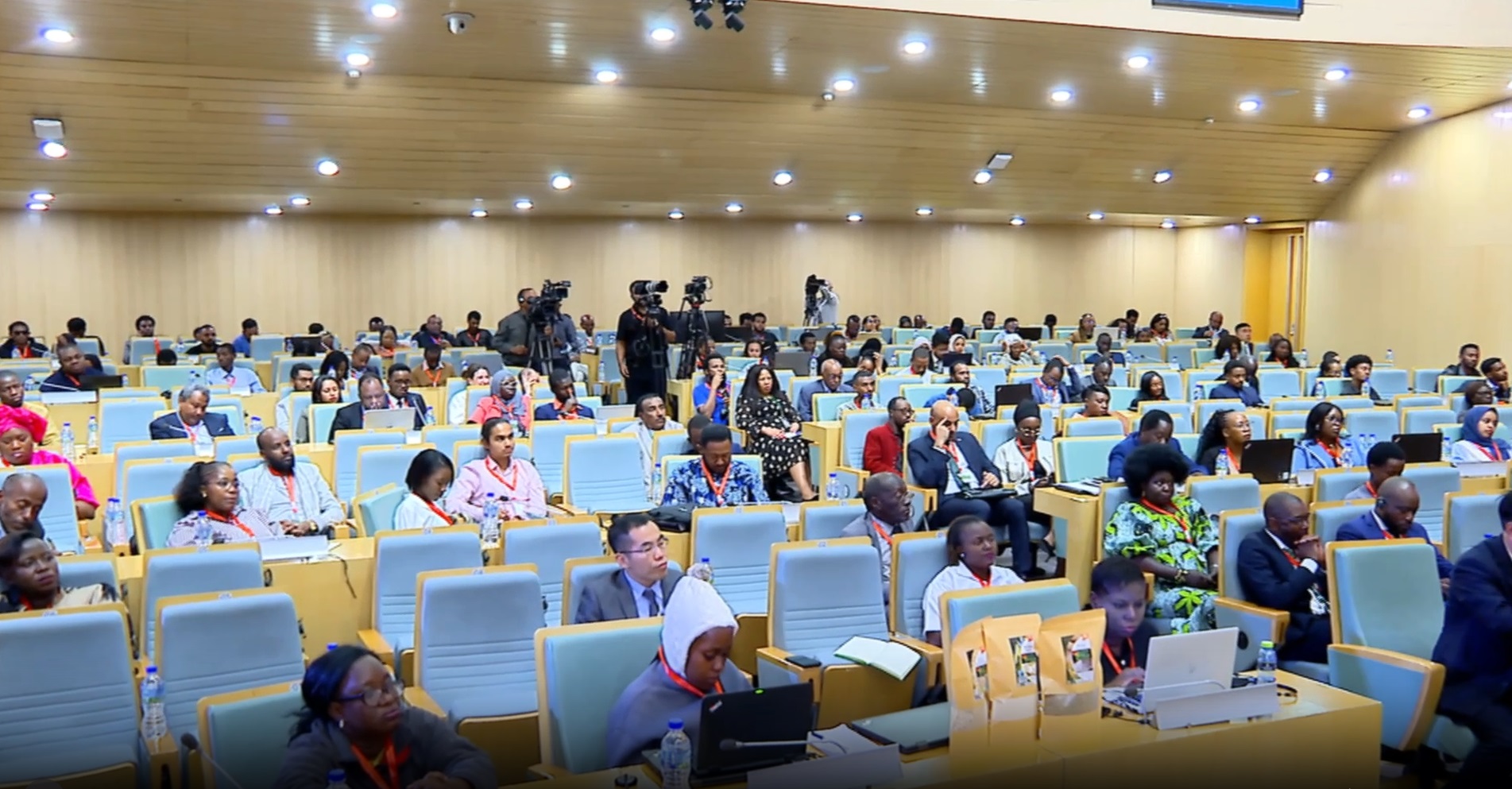
At the opening Africa Digital Agriculture Conference, held at the African Union’s headquarters in Addis Ababa, Haddadi highlighted the continent’s dedication to using technology to drive agricultural change and support sustainable growth.
The conference’s central theme highlighted the significance of developing agricultural policies that incorporate upcoming digital advancements, promoting approaches that facilitate the evolution of agri-food systems throughout the region.
“Agriculture is the vital force of our continent,” Haddadi stated.
“It supports more than 60 percent of our population, makes a substantial contribution to national economies, and continues to be vital to Africa’s development plans,” she added.
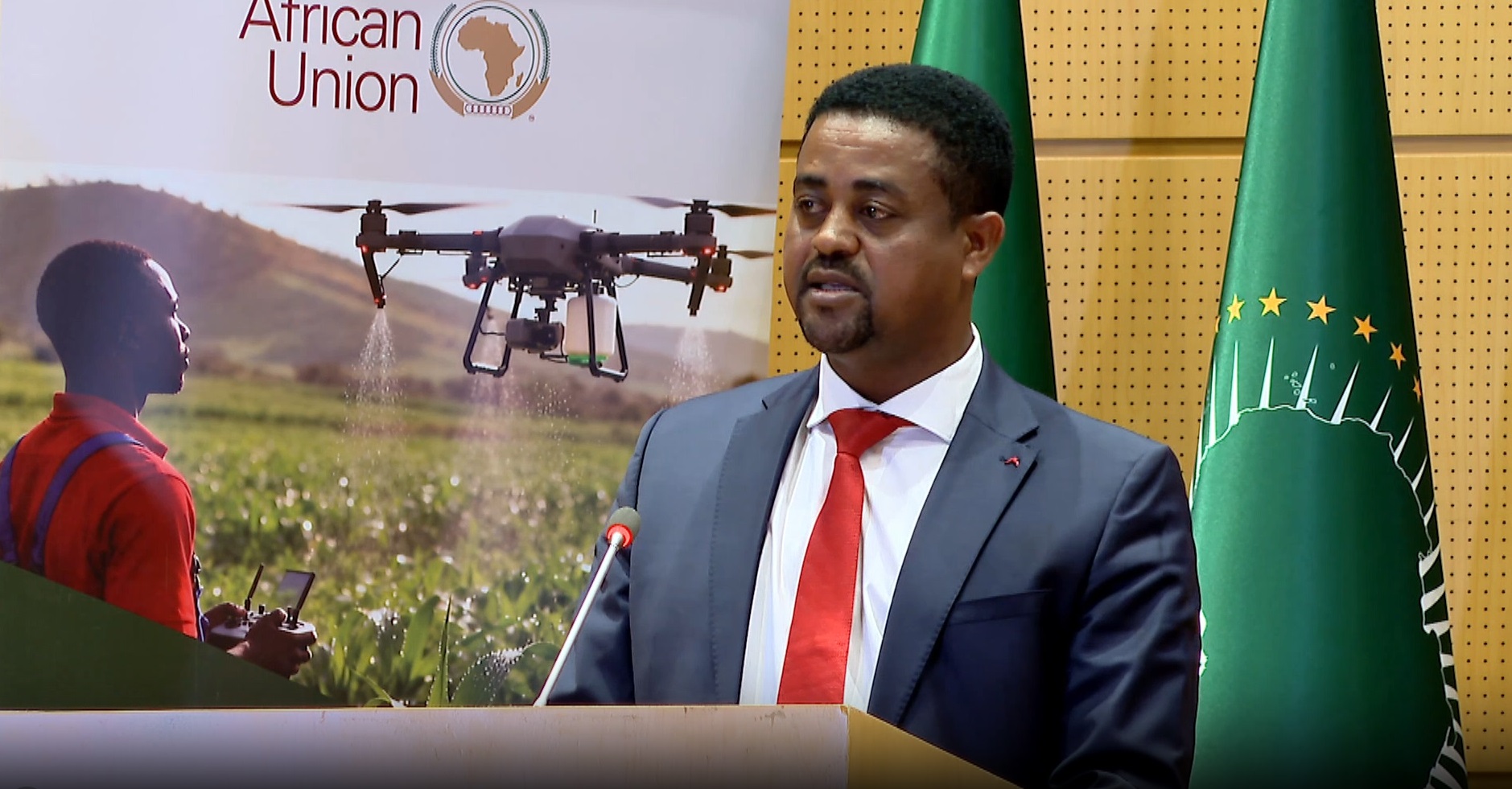
While speaking at the conference, Ethiopian State Minister of Agriculture Efa Muleta stated that shifting towards agriculture embodies the vision of Prime Minister Abiy Ahmed.
As he stated, the Prime Minister consistently advocates for agricultural transformation through innovation, integration, and the Medemer approach, a concept grounded in mutual responsibility and communal success.
Efa also highlighted that digital advancement plays a vital role in promoting inclusive growth within Africa’s farming industry.
“The continent’s challenges can also represent its most significant opportunities,” he stated, highlighting the growing young population and the rise in technological advancements.
He highlighted the importance of expanding digital tools, such as satellite-driven analysis and mobile systems, to improve farming methods across the continent.
In this context, Ethiopia has implemented significant programs aimed at modernizing the agricultural sector, such as expanding irrigation strategies, introducing machinery, and embracing climate-resistant crop types, which are showing favorable outcomes and helping the nation move closer to achieving food self-reliance.
The state minister also highlighted the cluster farming approach, which brings together small-scale farmers into production groups, boosts economies of scale, and increases access to modern agricultural tools and digital services, enabling farmers to shift from subsistence farming to profitable commercial activities.
He urged cooperation between governments, the private sector, and global partners to guarantee widespread availability of digital materials.
From his side, Moses Vilakati, the AU Commissioner for Agricultural Development, Blue Economy, and Sustainable Environment, emphasized that numerous African countries encounter ongoing obstacles that impede agricultural progress, such as climate change, soil deterioration, restricted market access, and a concerning pattern of young people distancing themselves from farming.
“We must not allow our productive lands to remain unused,” Vilakati said, adding that although certain nations have sufficient rain, the opportunity for agricultural advancement is still largely overlooked.
Emphasizing the importance of moving towards digital farming, he stated that digital agriculture is not just a choice but a requirement for increasing output, minimizing waste, and improving access to financial resources and markets.
The commissioner called on Africa to take an active role in a global landscape increasingly influenced by technological developments, such as artificial intelligence, satellite imagery, and smart agriculture.
 Provided by SyndiGate Media Inc.Syndigate.info).



 jasdooit
Leave a comment