

- A week prior, Safaricom cut its data packages for users in half, causing frustration among Kenyans on social platforms.
- The leading telecommunications provider in Kenya cited a ‘technical problem’ as the cause of the decline, which has since been fixed.
- Over the six-month period ending in September 2025, the company’s revenue from mobile data increased by 18.2% to KSh 44.4 billion.
A journalist from co.ke, Japhet Ruto, brings more than eight years of expertise in covering financial, business, and technology topics, providing analysis on economic developments in Kenya and around the world.
Safaricom has brought back the popular mobile data bundle packages that it reduced more than a week ago.
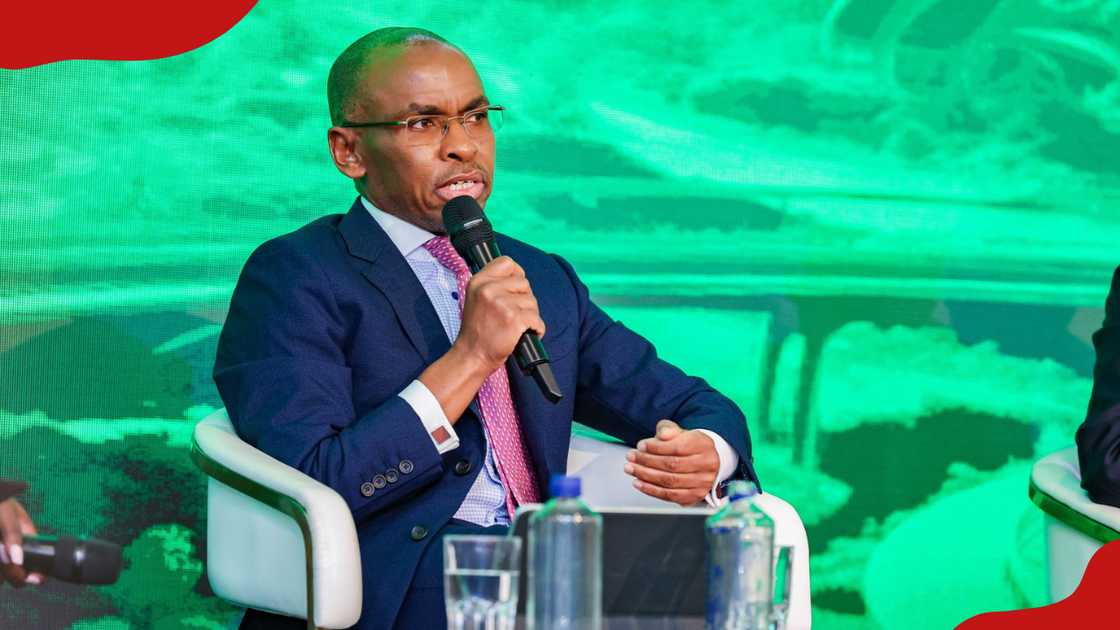
The leading Kenyan telecom firm reinstated its ‘No Expiry’ plan rates, which had been cut starting Monday, October 22, 2025, causing data costs to rise by double and sparking frustration among users.
What did Safaricom announce regarding the ‘No Expiry’ data plan?
The organization blamed the reductions on a technical problem.
The Never-Ending plan provides packages that remain valid forever with set or adjustable prices.
As per Safaricom, people who bought the packages at the discounted prices will be issued a refund.
“It was a technical problem, and clients who received less data have been given back the remaining balance. The data provided now is higher, particularly for amounts starting at KSh 11,” the telecommunications company said, according to Business Daily.
Safaricom extended an apology to the impacted customers via a text message and confirmed that the problem had been resolved.
“Dear customer, the problem with your non-expiring bundles has been resolved, and additional bundles have been included. We apologize for the inconvenience,” it stated.
How did Safaricom users get impacted?
Prior to the update in data speeds, Safaricom users received 255MB of non-expiring data for KSh 51.
However, in the past week, NTV stated that the distribution was cut by more than 50% to 102MB.
Only 200MB was provided to users for KSh 100, whereas 500MB was priced at KSh 250.

As of Monday, December 1, 2025, a random inspection showed that KSh 250 allowed customers to buy 1.25GB of non-expiring data, while KSh 250 provided 500MB.
The leading telecommunications provider in Kenya had previously mentioned a “issue related to the distribution of data packages” following customer feedback on the new pricing structure on social media.
“We know about the issue impacting data bundle rewards, and we are striving to resolve it. We apologize for the trouble,” it mentioned on Tuesday, October 23, 2025.
How much revenue did Safaricom generate from data services?
Safaricom’s mobile data and fixed internet services have become significant revenue generators in addition to M-Pesa.
The company listed on the Nairobi Securities Exchange (NSE) saw its revenue from mobile data increase by 18.2% to KSh 44.4 billion for the six months ending in September.
In the period being reviewed, it achieved a total profit of KSh 42.8 billion.
Safaricom maintains a significant presence in Kenya’s mobile and fixed internet sectors, with a dominant 62.8% share in mobile broadband and 34.3% in fixed internet as of June 2025, as reported by the Communications Authority of Kenya.
In the mobile broadband sector, Airtel stands as its primary competitor.
Airtel provides 1GB of data that lasts for one hour at a cost of KSh 15, whereas Safaricom’s 1.2GB package with the same duration is priced at KSh 20.


 jasdooit
Leave a comment