
STORY HIGHLIGHTS
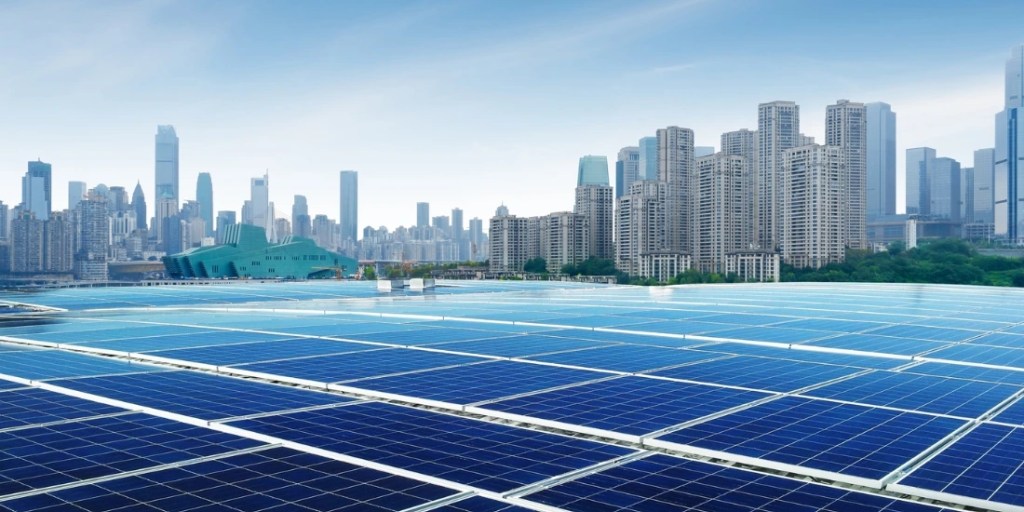
- As part of the Chad Energy Access Expansion Project (PAAET), which is a component of Mission 300, 145,000 solar kits are being provided to families in all 23 provinces of the country at reduced prices. Each kit, worth $100, is available for $20.
- The gadget enables lighting of homes and phone charging, thereby offering access to electricity for approximately 6 million Chadians.
- In remote areas, the installation of independent solar systems can provide clean and reliable power to many homes. Electricity also has a significant impact on improving healthcare and educational facilities.
At night, the Bébalem market, situated in the Logone Occidental province of southern Chad, sees most shopkeepers shut down for the day. Denis Tarlembaye keeps lights on inside and outside his store, making it one of the few that stays lit and attracting many customers. “Since I got this setup, I stay later at the market. This helps me boost my sales. Instead of an average of CFAF 20,000 a day, I now earn between CFAF 30,000 and CFAF 35,000,” says the shopkeeper, full of excitement.
Close by, Ferdinand Djeguemde runs a small pharmacy. Thanks to better lighting, he has managed to lengthen his operating hours, allowing him to serve more customers, including those in need of immediate attention. “My income has steadily risen since I installed the new lighting,” he mentions.
I set aside approximately CFAF 3,000 each month and I remain connected since I no longer experience any energy issues.
Maurice Singambaye
As part of the Energy Access Enhancement Initiative, 145,000 solar kits are being provided at a reduced cost to homes in 23 provinces throughout the nation. Each kit, worth $100, is available for $20. These kits offer home lighting and phone charging capabilities, thereby providing power to approximately 6 million individuals in Chad.
The availability of electricity is significantly changing the everyday experiences of families in Chad. It enables lighting, operation of home appliances, preservation of food, and enhances access to information. In Bah in Logone Occidental, located in southern Chad, Maurice Singambaye mentions that he no longer has to spend money daily on charging his phones. “I save roughly CFAF 3,000 each month, and I remain constantly connected since I no longer face any power issues,” he says with satisfaction.
In remote areas, the installation of independent solar systems has provided clean and reliable power to many homes, thus reducing reliance on fuelwood and kerosene lamps, which both lead to environmental pollution and present health dangers.
Diane Djenosem, a fourth-grade pupil residing on the edge of the city of Bébalem, currently faces fewer challenges while going over her studies in the evening. “Previously, we needed to purchase batteries every few days. With solar power, this is no longer necessary. Even more beneficial, the light deters creatures that occasionally cause trouble under the cover of darkness,” she mentions.
In Belaba, close to Moundou, the capital of the Logone Occidental province, Jonas Kako is getting ready to construct a new structure. “I managed to purchase bricks using the money I’ve saved by not buying batteries every week. This system is cost-effective, and my only concern is that it might malfunction, forcing me to return to my previous habits,” he says.
Schools and health centers
Electricity is essential for improving healthcare and educational services. Medical facilities that have consistent power can operate continuously, use modern medical devices, and properly store vaccines. Likewise, schools that are powered by electricity provide better learning spaces with sufficient lighting and access to digital tools.
In Bitkine, located in the Guéra region of central Chad, the health center near the northern entrance of the city has seen significant changes after the installation of a standalone solar system. Koye Anda mentions that the usage of the health center has risen since the installation. “We can now function around the clock. Patients who used to go to the main hospital branch are now coming to this center instead. The number of deliveries has also gone up because we are currently the only facility in the city providing childbirth services at night,” he explains.
In the Loumba Assonghor school located in Farachana, eastern Chad, educational conditions have seen substantial enhancement. The implementation of a self-sufficient solar system allows students to study in rooms that are well-ventilated and adequately illuminated. Students can even return in the evenings to go over their lessons because of the available lighting,” says Adjinei Mehram, the school’s principal, with excitement.
The Chad Energy Access Improvement Project (PAAET), funded with almost $295 million, and part of theMission 300 initiative, seeks to raise the electricity access rate from 6% in 2018 to 30% by 2027, potentially connecting approximately one million homes.
Copyright 2025 World Bank. All rights reserved. Distributed by AllAfrica Global Media ().
Tagged: Africa, Aid and Assistance, Chad, International Organizations and Africa, Central Africa, External Relations
Provided by SyndiGate Media Inc.Syndigate.info).

 jasdooit
Leave a comment