

Everyone has gone through this: Prior to visiting the hospital, someone may worry about a severe condition, but as soon as they hear “everything is fine,” their body seems to feel more relaxed.
In a romantic relationship, someone could experience their world falling apart after getting a breakup message, but find the courage to move forward through a single phone call.
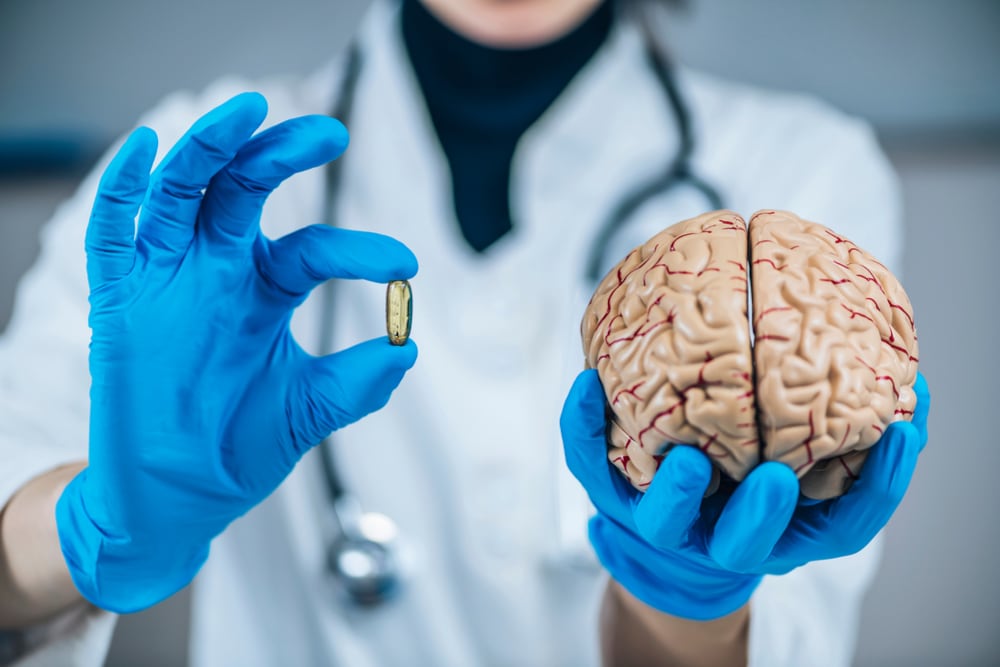
It is not the physical form that alters initially; instead, when the mind undergoes a change, the brain and body subsequently follow. This is more than just an emotional state; it is a genuine neurophysiological reaction taking place in the brain right now.
As soon as we experience an emotion, the brain quickly transmits “commands” to different areas of the body.
When feeling nervous, the heart beats faster, muscles become tight, and stress-related hormones are released. Long-term stress can damage the immune system and drain the body’s energy.
If you’ve been feeling drained the moment you wake up, it could be that your mind, not your body, has already slipped into “stress mode.”
On the other hand, when the mind is relaxed, it boosts the body’s strength and energy. Therefore, the mind and body are linked, influencing each other mutually.
■ Is the Mind Able to Alter the Body?
Although not always applicable, it can occur in certain situations. The most well-known example is the “placebo effect.”
Many instances have been documented where counterfeit drugs provided pain relief, enhanced motor symptoms in individuals with Parkinson’s disease, and eased anxiety.
This is not just an “illusion,” but a neurochemical shift caused by the brain’s reaction to expectations, as supported by various research studies.
Although the placebo is not a universal solution, it is evident that our bodies have an inherent capacity for healing, and one essential factor in this process is “the mind we hold at this moment.”
■ Two Methods to Enhance Mental Capabilities
The psychological methods you can start using right away are remarkably straightforward.
① Positive Self-Talk
The brain unexpectedly reacts sensitively to the phrase “I speak to myself.” Various research studies indicate that the prefrontal cortex becomes more stable and stress levels reduce.
What matters is practical motivation, rather than overstatement.
It’s fine, you’re performing adequately.
“What a grateful thing.”
I am a decent individual.
A brief expression such as this alters the course of thought. Upon repetition, the brain incorporates these words as a “inner voice.”
② Positive Visualization
The brain interprets intense imagination as though it is an actual experience. A common training technique used by athletes is “mental rehearsal.”
Jack Nicklaus, Tiger Woods, and Jang Mi-ran also employed the mental visualization of “successful moments” as a training technique. This approach is applicable to us too.
The picture of me remaining composed during tomorrow’s meeting
The image of strolling through morning sunlight
Ending the day with a peaceful look
Even this minor imagination starts to affect breathing, muscle tightness, and the autonomic nervous system.
■ The Mind of Today Influences the Life of Tomorrow
As the lifelong saying of former UK Prime Minister Margaret Thatcher: “Thoughts turn into words, words lead to actions, actions form habits, habits shape character, and character determines fate.”
While navigating through a prolonged period of sadness, I started incorporating self-compassion into my daily routine. These minor actions added up until one day I found myself naturally saying,
Nevertheless, I consider myself a decent individual.
Life starts to transform in this manner.




 jasdooit
Leave a comment