
By James Amoh Junior, GNA
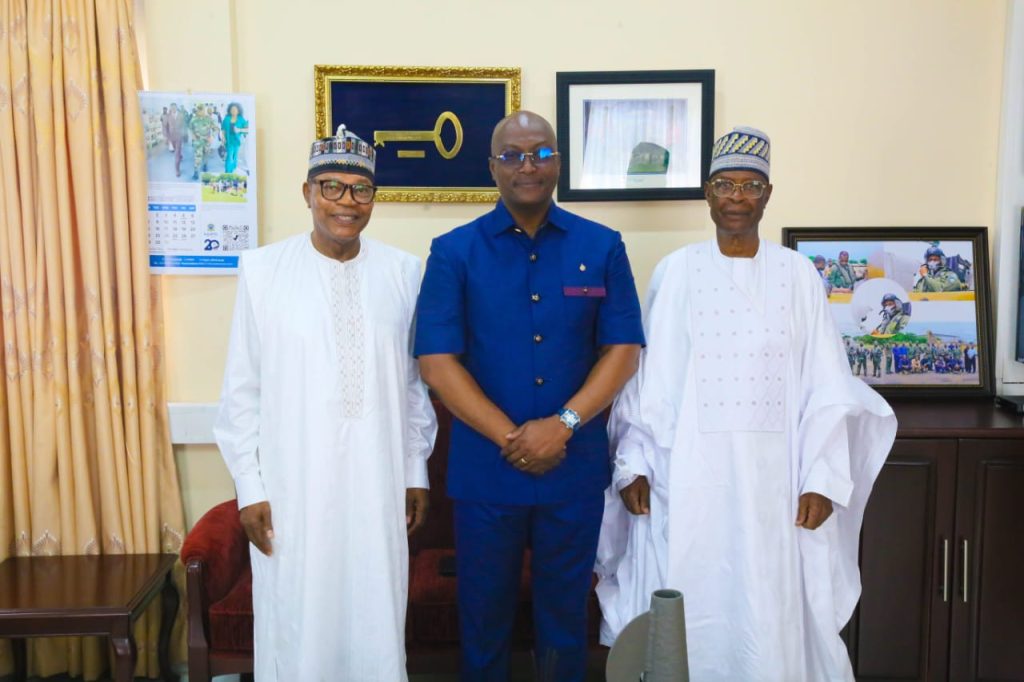
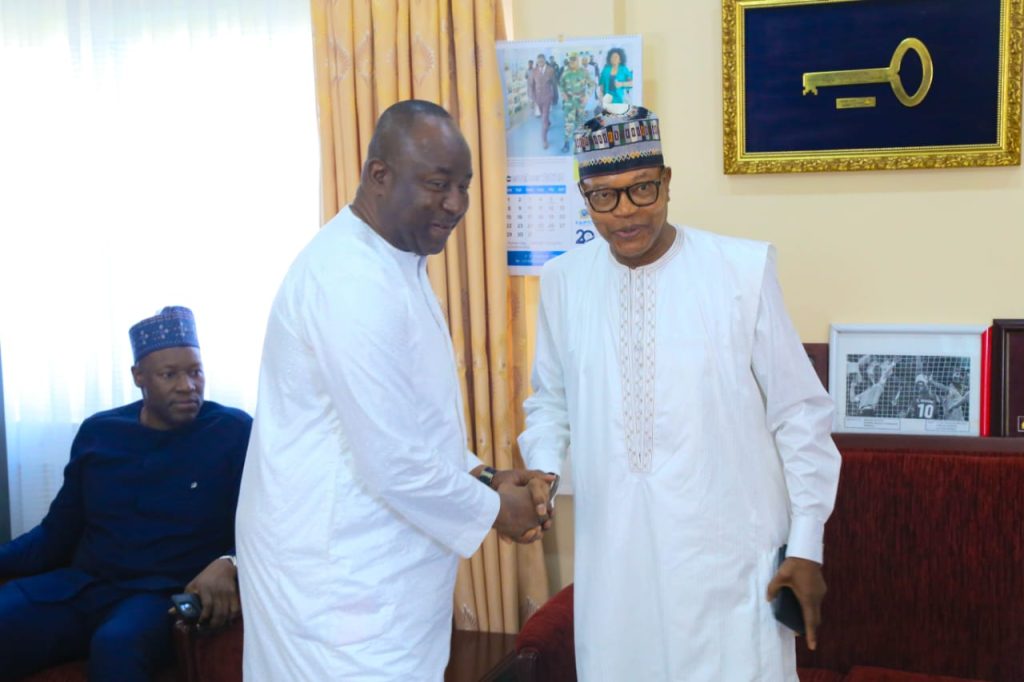
Accra, Dec 9, GNA – Dr. Mohamed Ibn Chambas, a leading peace negotiator in Africa, has been recognized at the Kofi Annan International Peacekeeping Training Centre (KAIPTC) for his many years of work in resolving conflicts and maintaining regional stability on the occasion of his 75th birthday.
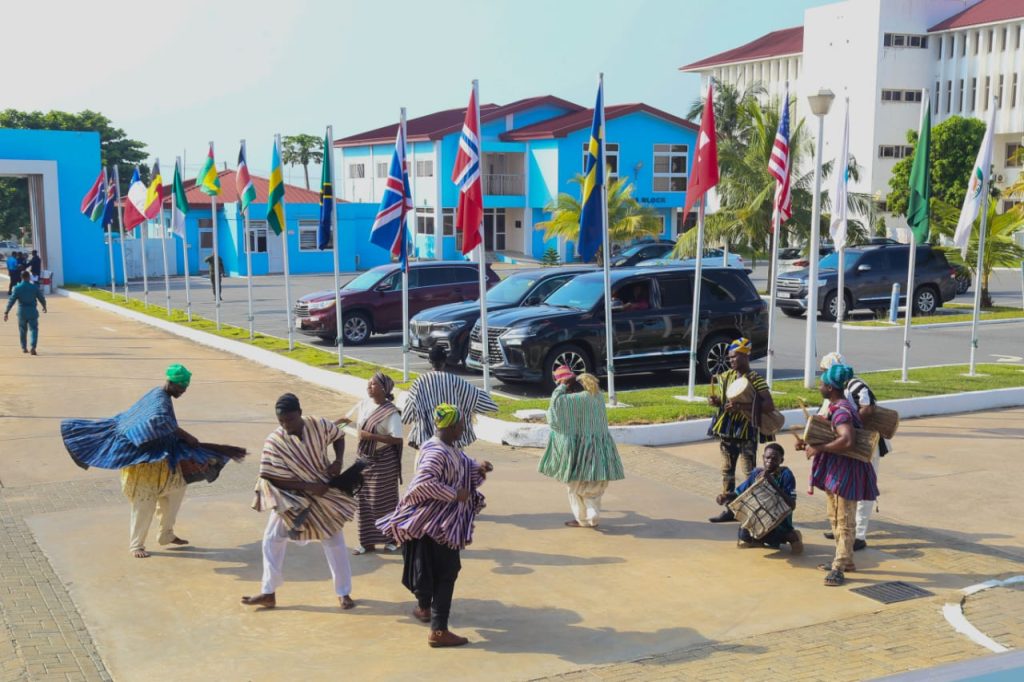
The gathering, organized by the KAIPTC, signified the start of a sequence of events honoring Dr Chambas’ life, his impact on African diplomacy, and his approaching 75th anniversary.
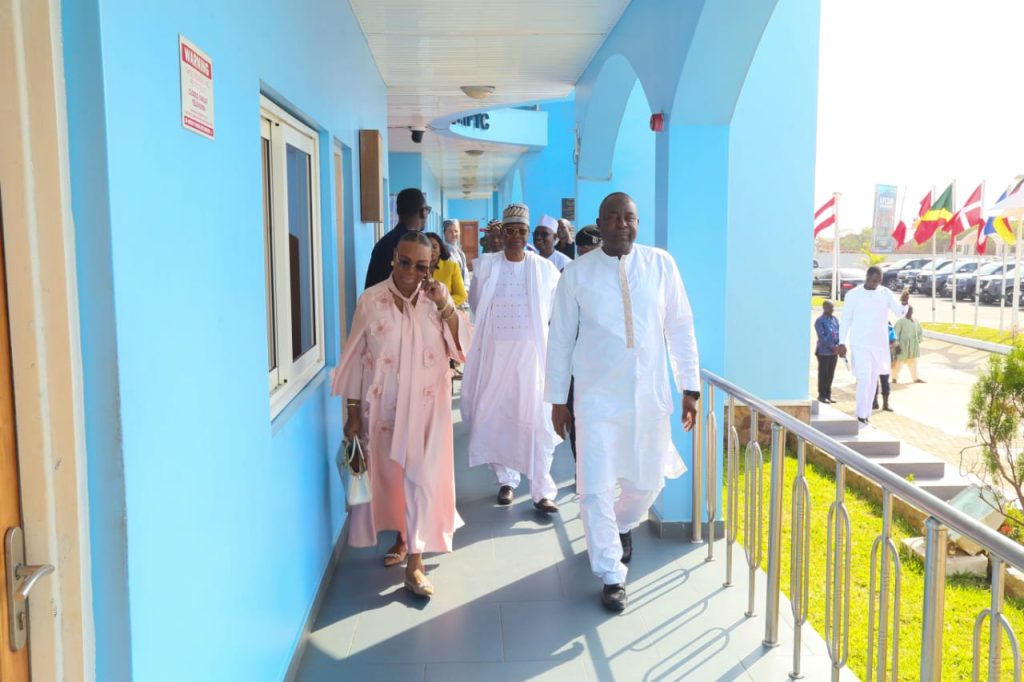
It gathered former Presidents, members of the diplomatic community, security personnel, academics, and non-governmental organizations to honor the Ghanaian diplomat whose professional journey has covered
The Economic Community of West African States, the African Union, and the United Nations involved in conflict resolution, collective diplomacy, and peace efforts throughout West Africa and the broader African region.
Air Commodore David Anetey Akrong, the head of the KAIPTC, characterized the event not just as a birthday gathering but as a broader continental examination of leadership, peacebuilding, and diplomatic skills, highlighting that Dr Chambas’ contributions remain central to Africa’s pursuit of lasting peace.
He mentioned that Dr. Chambas’ influence went beyond mediation, contributing to the development of regional institutions and motivating professionals and young diplomats, who now view him as a standard for leadership in peace and security.
“Your attendance today highlights the importance of Dr. Chambas’ legacy, his combination of knowledge and kindness,” Air Commodore Akrong said to the audience.
He highlighted that the tribute symbolized the shared recognition of African nations and international allies for his commitment to diplomacy and resolving conflicts.
Air Commodore Akrong commended Dr Chambas for his significant contribution in developing the next wave of peacebuilders, referring to him as a “respected leader and beloved friend” whose guidance influenced the careers of diplomats, military personnel, and development professionals involved in preventing conflicts.
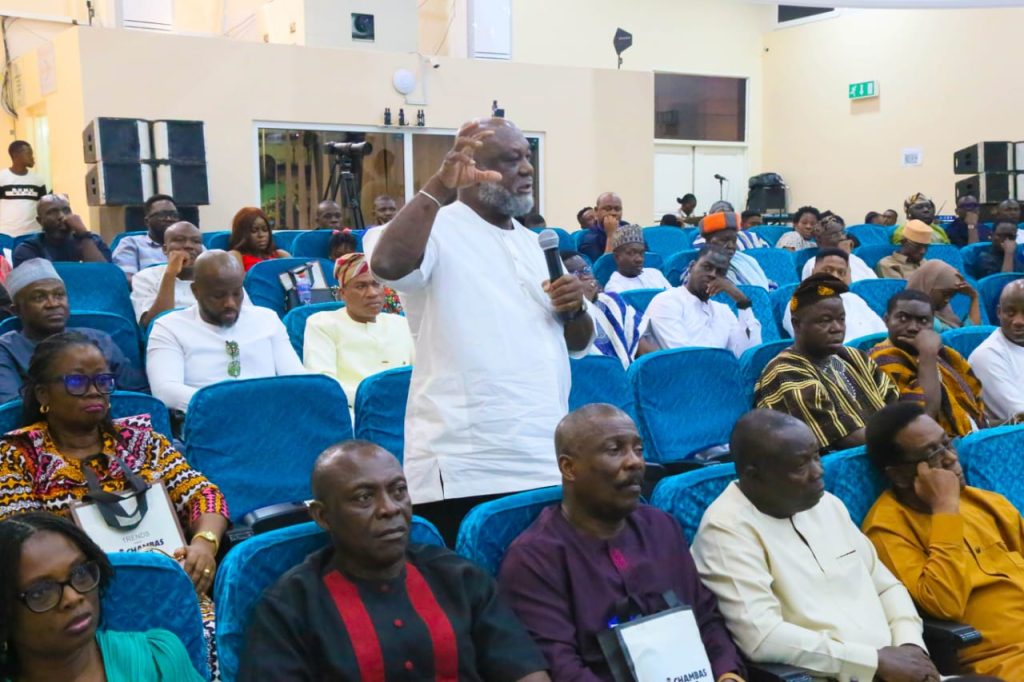
Emeritus Professor Takyiwaa Manuh, addressing on behalf of the organizing committee, mentioned that the event was also intended to serve as a forum for evaluating Africa’s security developments and the prospects for preventing conflicts.
She mentioned that the symposium was inspired by Dr. Chambas’ lifelong dedication to dialogue and mediation as key tools for achieving regional stability.
She described the central themes of the meeting: terrorism in the Sahel, erosion of democracy, disputes over resources, and security issues linked to climate change,
challenges at sea in the Gulf of Guinea, and pressure within international cooperation as global partnerships evolve.
She mentioned that these issues reflected the most significant peace and governance challenges that Dr. Chambas dedicated his career to tackling in his various positions within ECOWAS, ACP, AU, and the United Nations.
For over 40 years, Dr Chambas has been involved in some of the most challenging peace negotiation environments across the continent.
From 2014 to 2021, he served as the United Nations Secretary-General’s Special Representative for West Africa and led UNOWAS, overseeing diplomatic initiatives related to political changes, peace negotiations, and election-related conflicts in the area.
His initial leadership of the AU-UN Joint Mission in Darfur enabled him to manage one of Africa’s most challenging humanitarian and conflict scenarios.
While holding the position of Secretary-General of the African, Caribbean and Pacific (ACP) Group of States, Dr Chambas expanded development collaboration and South-South unity among over 70 countries.
As Executive Secretary and later becoming the first President of the ECOWAS Commission, he was instrumental in reshaping ECOWAS’ institutional structure, implementing its conflict prevention strategies, and taking direct action during crises in Liberia, Sierra Leone, and Côte d’Ivoire, among other regions.
Professor Manuh mentioned that very few African leaders had influenced regional conflict prevention as significantly as Dr Chambas, highlighting his part in creating the ECOWAS Mechanism for Conflict Prevention, Management, Resolution, Peacekeeping and Security, and promoting trade liberalization and cross-border collaboration.
She mentioned that the event aimed to keep his legacy alive through written and visual means, and to record the insights gained from years of diplomatic leadership that had shaped peacebuilding approaches well beyond West Africa.
Professor Manuh revealed that the initiative was supported entirely by Africans and associates of Dr. Chambas, symbolizing a demonstration of regional pride in his work.
Dr. Mohamed Ibn Chambas’ impact remains significant in shaping Africa’s diplomatic structures, especially through his present role as the African Union High Representative for Silencing the Guns, an initiative aimed at eradicating armed conflicts across the continent.
His vocal presence continues to play a key role in discussions about multilateralism, regional integration, and preventive diplomacy.
A senior group, comprising Mr Emmanuel Bombande, an expert in conflict resolution, peacebuilding, and development, examined the topic: “Inclusive Peacebuilding, Local Initiative, and Multi-tiered Governance” and emphasized insights from Dr Chambas’ mediation efforts.
The panel stated that the event was not just about recognizing a leader, but also about considering the ongoing effort to establish lasting peace throughout Africa.
Amid ongoing instability in the Sahel, military takeovers in certain areas of West Africa, sea-based dangers, international power struggles, and a decline in democratic enthusiasm, they recognized that Chambas’ core values of discussion, broad participation, and mutual security are just as important now as when he initially began his work in mediation.
GNA
Edited by Christian Akorlie
 Provided by SyndiGate Media Inc.
 Syndigate.info
 ).
).

 jasdooit
Leave a comment