
- MORE: The biblical sea turns a blood red color, causing apocalyptic concerns
A surprising event occurred in the Middle East as the waters of the Persian Gulf turned a deep red, matching the descriptions of Judgment Day found in biblical prophecies.
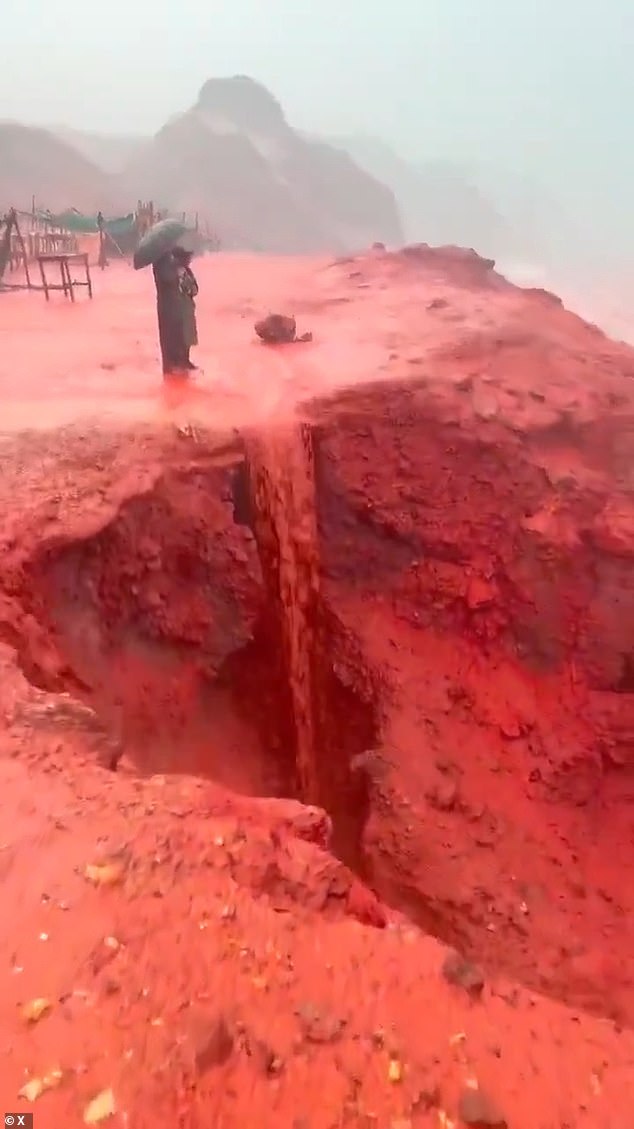
Viral videos from IranHormuz Island on Tuesday captured the scene as heavy rain along the coastline caused a deep red coloration, flowing over cliffs, overflowing into the ocean, and altering the seawater.
The occurrence remarkably resembled similar portrayals of ‘blood rain’ or red water in the Bible, which have traditionally been understood asindications of the End of Days.
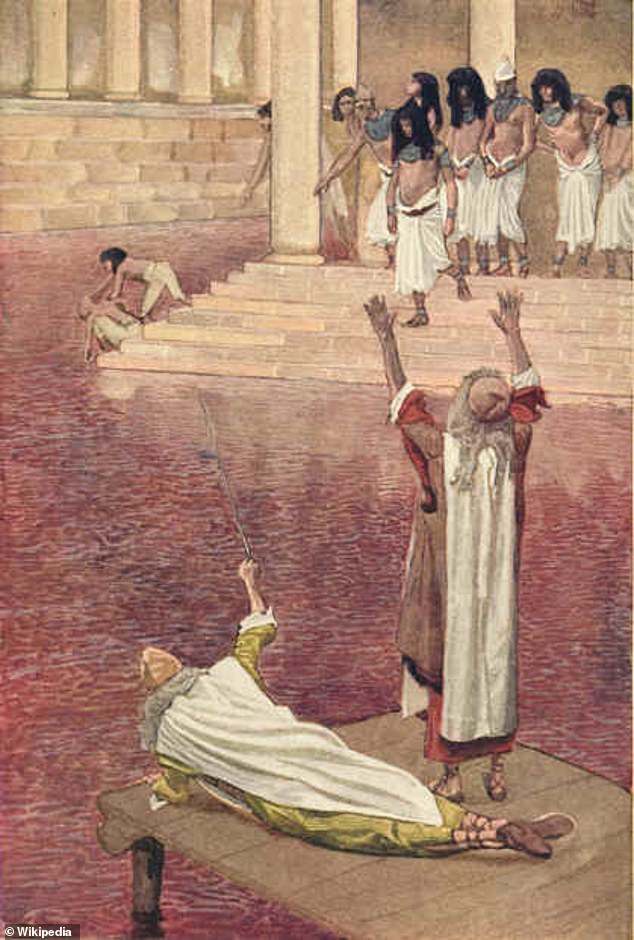
The first of 10 plagues from GodThe suffering imposed on the Egyptians in the biblical story of Exodus started with the Nile River turning into blood.
Apocalyptic propheciesIn the Book of Revelation, the last part of the New Testament in the Bible, such as the second trumpet mentioned in chapter eight and the third bowl in chapter 16, also depict seas and rivers turning color and becoming blood red.
Although linked to End Time prophecies, the red rain in Iran is believed to result from the island’s large amounts of iron-oxide-rich red soil.
Locally referred to as ‘golak,’ intense rainfall in the area combines with this iron oxide, resulting in nearby water turning red due to sediment runoff entering it.
Hormuz Island is renowned geologically for its vibrant mineral-rich soil, which has led to it being called ‘Rainbow Island,’ and this colorful runoff is commonly seen during intense rainfall.
The distinct chemical composition of Hormuz Island has developed over millions of years, featuring strata of shale, clay, volcanic rocks, and more than 70 different minerals.
The primary red coloration is derived from iron oxide, commonly referred to as hematite, which originates from the island’s volcanic formations.
Hematite exhibits a red color when in powder form as it absorbs shorter wavelengths of green and blue light, while reflecting longer red wavelengths.
This phenomenon causes the water to turn red when particles combine with rain and ocean waters during significant weather conditions.
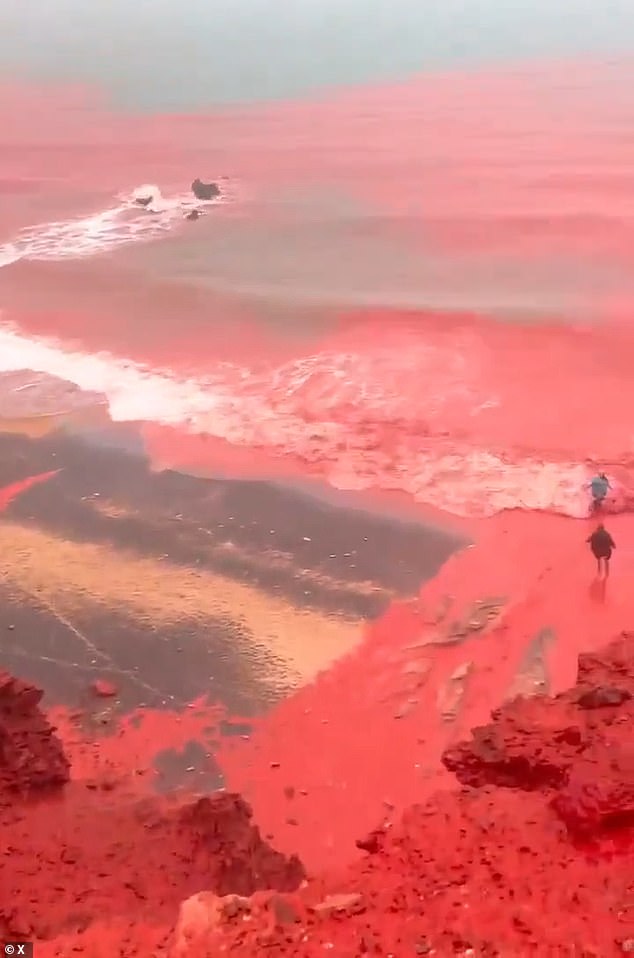
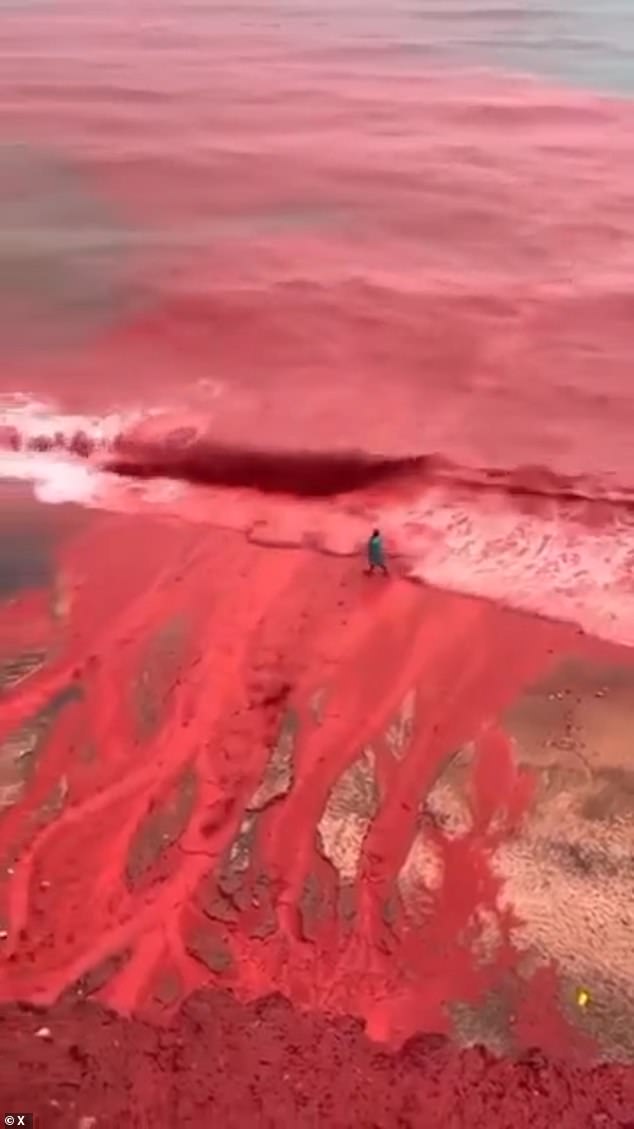
Footage shared on social media revealed small waterfalls of red water flowing down the cliffs of Hormuz Island and reaching the beaches below.
Numerous tourists strolled along the coastline while the crimson tides lapped at their feet, with streams of sediment runoff flowing into the Persian Gulf.
A Twitter user employed their foot to create a tiny hole on the beach,exposing more red earthjust beneath the surface where the Gulf swiftly swept over.
Some individuals shared photos of themselves with their hands and feet coated in the red dirt, which left a stain on anything it came into contact with.
Hormuz Island is not specifically referenced in the Bible, although the wider area of ancient Persia, which is now modern-day Iran, is often mentioned in religious texts.
A significant mention of this area in the ancient world is found in Revelation 16:12, where the sixth bowl of God’s judgment is poured out over the Euphrates River, located on the other side of the Persian Gulf approximately 500 miles away from Hormuz Island.
The prophecy regarding the End Times mentioned that this event would cause the Euphrates to dry up, thereby preparing the path for the kings from the east. This would result in the assembly of kings for the battle at Armageddon as described in Revelation 16:16.
Certain biblical scholars have understood the “kings from the east” to refer to global powers originating from this area, possibly encompassing contemporary Iran as part of an eastern alliance during end-time occurrences.
Hormuz Island is not the only location in the Middle East where water has turned red in recent months.
In August, the biblical Sea of Galilee in Israel inexplicably turned a bright red color, alarming residents and prompting warnings of a ‘negative sign.’
The Israeli environmental department stated that the change was due to a growth of green algae in the freshwater lake, which appears red as a natural pigment accumulates under strong sunlight.
The substance is safe, authorities emphasized, and tests conducted this summer confirmed the water was suitable for swimming, even though it had an alarming color.
Studies conducted by the Kinneret Research Laboratory determined that the algae in the affected regions was safe, with no health hazards or allergic responses reported among individuals who came into contact with it.
In contrast to the iron oxide present in the soil of Iran, the change observed in Israel resulted from Botryococcus braunii, a species that exists in different aquatic habitats such as freshwater and brackish water sources across the globe.
- Could the biblical Sea of Galilee inexplicably turning red be a sign of an end-time warning?
- What stunning natural phenomenon transformed the Silver and Red Beach in Iran into a blood-red spectacle?
- Is the blood-red sea in Jerusalem a sign of an apocalyptic period as archaeologists discover 2,000-year-old artifacts?
- Has the Sarandí Canal in Argentina transformed into a contemporary biblical sign, with its waters taking on an unsettling crimson hue?
- Do the color connections between Middle Eastern flags and the Four Horsemen genuinely indicate the approaching turmoil of Armageddon?


 jasdooit
Leave a comment