
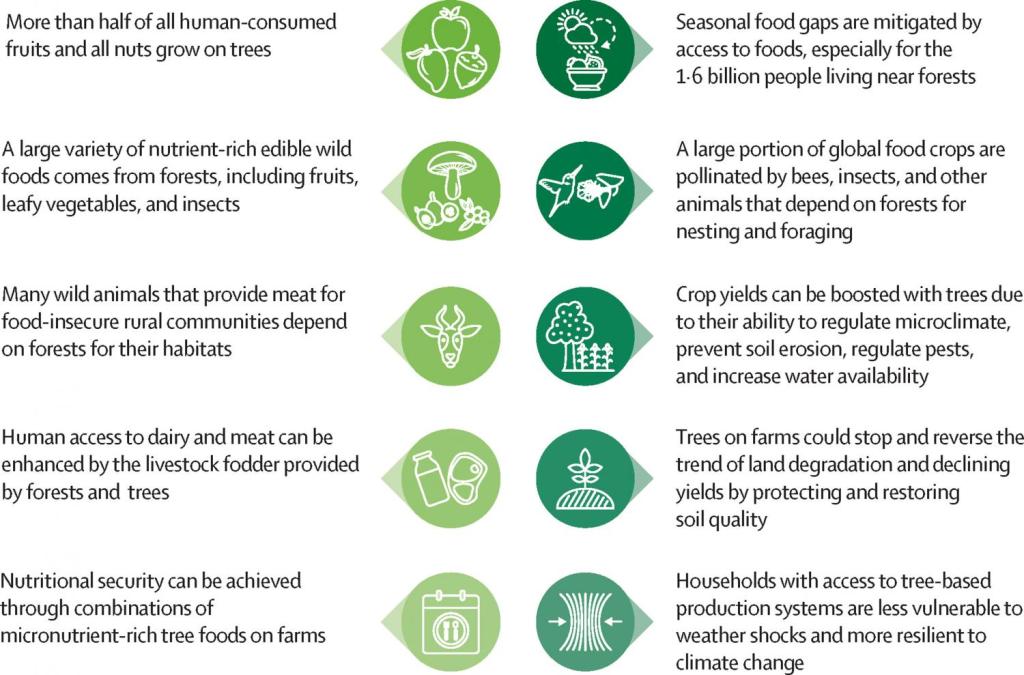
In recent times, the African Forestry and Wildlife Commission in The Gambia convened to consider the connections between individuals and the forest environments that support them. The gathering occurred while nations deal with evolving markets, increasing pressures on land and resources, and the new challenges faced by rural communities. These areas still play a vital role in everyday life, providing stability to families and influencing their ability to adapt.
In various parts of Africa, forests and trees beyond forested areas provide subtle forms of assistance. Families gather fruits, nuts, leaves, insects, medicines, and fuel from these sources—resources that aid them in enduring tough times and fluctuating markets. In many rural regions, forests contribute approximately 20 percent to household income, a proportion that becomes essential when crops fail or market conditions change. Globally, nearly one billion individuals depend on wild foods like fruits, herbs, nuts, insects, and wild game, with these food sources influencing the diets and survival strategies of communities across different environments. Although these patterns vary by location, they collectively demonstrate how forests support people through their resources and the quiet reliability they provide.
Forests safeguard the soil under our feet, provide habitat for pollinators, reduce heat, and direct water back into the earth. Their impact extends well beyond their borders. During recent Commission discussions, various voices highlighted these links, reminding us that thriving forests and sustainable food systems need to be managed in tandem.
However, these environments experience growing pressures that worsen annually. Invasive species spread quietly yet cause significant consequences, progressing steadily and frequently going undetected. They are now recognized as one of the five major direct causes of biodiversity decline, with their effects ranked just behind habitat destruction and division. Attendees emphasized the importance of being alert—prevention, timely identification, and consistent surveillance—to protect both woodlands and the communities depending on them.
A A recent study conducted by the United Nations’ Food and Agriculture Organization indicates that dangers within agricultural and food systems are growing more complex and interrelated.Disasters affect crops, animals, fishery resources, forests, and nearby environments in ways that create overlapping impacts. Nations are progressively adopting a One Health perspective to grasp these connections, acknowledging how the health of humans, animals, plants, and the environment influence one another. Delegates from The Gambia emphasized the importance of applying the One Health approach to enable countries to detect these indicators early and take action before local challenges escalate into broader crises.
Human-wildlife interactions highlight that the lines between different systems are never clear-cut. These boundaries arise from alterations in land use, changing migration patterns, climate challenges, and the cultural backgrounds of communities residing near forests. Strategies based on ecological knowledge and appreciation for traditional practices last because they stem from the values of those who follow them. Living together safeguards crops and animals, enhances rural growth, and aids conservation, connecting the well-being of families to the health of their surrounding environments.
Indigenous Peoples and local communities are at the heart of this initiative. Forests have cultural, nutritional, and economic significance for them, particularly for women, youth, elderly individuals, and people with disabilities who frequently experience multiple layers of exclusion. Their knowledge—regarding seasons, traditional medicines, animal behavior, and the changing nature of the land—creates a dynamic repository of information. Rights-based strategies, gender-sensitive actions, and equitable sharing of benefits were highlighted in recent conversations as crucial for making sure that decisions align with the needs of those most connected to the land.
The FAO-led Sustainable Wildlife Management Programmeprovides a demonstration of these principles in practice. By implementing social protections and collaborative decision-making, communities located in forest, savannah, and wetland areas oversee wildlife in a manner that maintains conservation goals while allowing for lawful and sustainable use to support food security and cultural traditions. Its initiatives highlight ideas that were emphasized during the Commission’s meetings: the power of local expertise, the importance of involvement, and the strong connection between environmental well-being and the resilience of rural areas.
A consistent theme has emerged from this assembly: when forests flourish, farming becomes more stable. When wildlife is harvested in a responsible and lawful manner, diets become more varied and incomes increase. When ecosystems are preserved, numerous dangers are reduced before they escalate. And when local communities lead the decisions that influence their environments, the foundations of effective solutions become stronger.
As delegates recently finished their tasks in The Gambia, daily routines persisted throughout the continent. Families gather leaves and fruits under the morning sun. Women gather firewood for cooking purposes. Children hear tales that preserve the memory of seasons, animals, and natural scenery. These basic activities remind us that forests are not far-off resources; they are part of the everyday life’s pace.
The conversations provide nations with a chance to enhance the connection between conservation and agrifood resilience, to encourage community leadership, and to safeguard the environments while maintaining the ecosystem services that have sustained rural communities for many years. And to make suitable decisions at this time – with thoughtfulness, vision, and a feeling of collective aim.
Ewald Rametsteiner is Deputy Head of the Forestry Department within the United Nations’ Food and Agriculture Organization.
Copyright 2025. All rights reserved. Distributed by AllAfrica Global Media ().
Tagged: Africa, Wildlife, Governance, Food and Agriculture, Environment
Provided by SyndiGate Media Inc.Syndigate.info).



 jasdooit
Leave a comment