
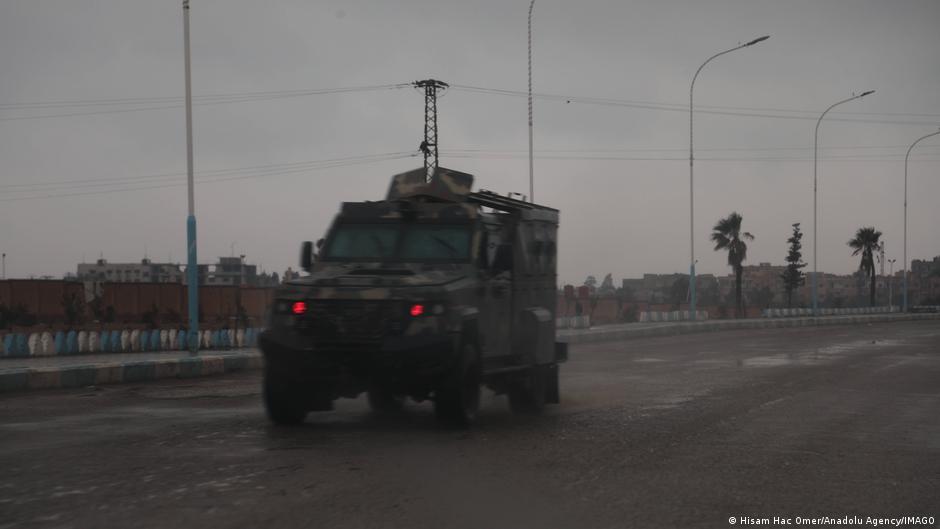
The Syrian military remains engaged in combat with the Kurdish-led Syrian Democratic Forces (SDF), with reports indicating the seizure of significant oil and gas facilities in eastern Syria.
The Syrian military remains engaged in pushing the Kurdish-led Syrian Democratic Forces (SDF) out of regions in northern and northeastern Syria that the SDF have held for more than ten years.
On Sunday, the government declared the seizure of the strategically important town of Tabqa, situated approximately 55 kilometers (34 miles) west of the crucial city of Raqqa, which is controlled by the SDF.
As reported by the official SANA news agency, Information Minister Hamza Almustafa stated, “The Syrian military has control over the key city of Tabqa in the Raqqa region, along with the Euphrates Dam, which is the biggest dam in Syria.”
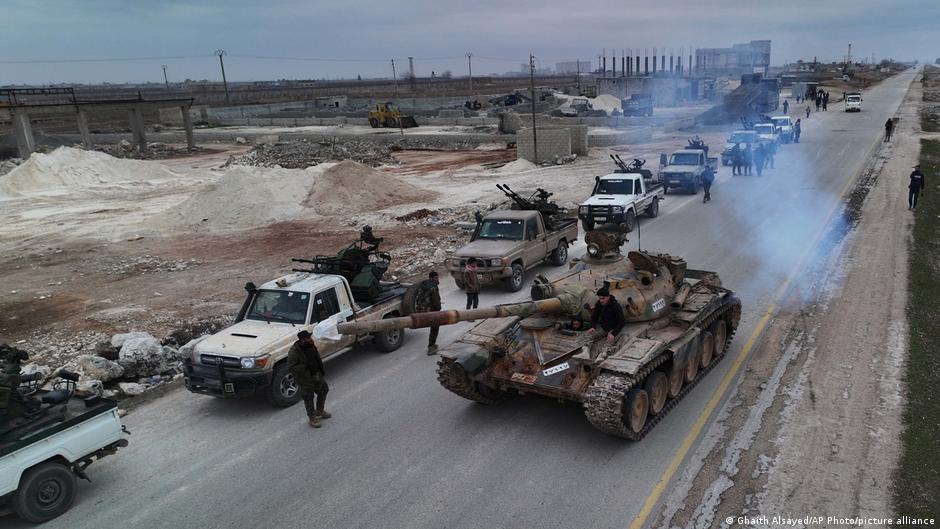
Earlier, Syrian government troops pushed Kurdish forces out of two areas in Aleppolast week. On Saturday, they alsogained control over a region to the east of the city.
On Friday, Mazloum Abdi, the Syrian Kurdish leader and head of the SDF, pledged to move his troops from outside Aleppo to the eastern side of the Euphrates River.
Nevertheless, on Saturday, the SDF stated that Damascus had “breached recent accords and betrayed our forces,” leading to fighting with soldiers south of Tabqa.
Syrian forces take control of oil and gas fields
Additional reports surfaced on Sunday indicating that Kurdish-led forces had pulled out from the Omar oil field, Syria’s biggest, located in the eastern Deir Ezzor province.
Rami Abdel Rahman, leader of the Syrian Observatory for Human Rights, informed AFP that the Syrian Democratic Forces (SDF) “evacuated all regions under its control in the eastern Deir Ezzor area, including the Al-Omar and Tanak oil fields, at sunrise on Sunday.”
As reported by Reuters, in addition to the Omar oil field, Syrian forces also captured the Conoco gas field in eastern Syria.
The SDF has not verified the capture of the oil and gas field. Nevertheless, they mentioned that “groups linked to the Damascus government targeted our positions,” leading to conflicts in multiple towns on the eastern side of the Euphrates.
The capture of oil fields located east of the Euphrates River, a key income generator for the Kurdish-led forces, represents a significant setback for the SDF.
Ocalan perceives ‘sabotage’ in the confrontations
Meanwhile, he imprisoned the leader of the Kurdish militant group, Abdullah Ocalan, and stated that the recent deadly conflicts in Syria between government troops and Kurdish fighters aim to “sabotage” thethe negotiation process between Turkey and the Kurdistan Workers’ Party (PKK).
Ocalan, who has been guiding the Turkish peace process while incarcerated, “views the current situation in Syria as an effort to undermine the peace process in Turkey,” as stated by a group from the pro-Kurdish DEM Party during their visit to him in prison on Saturday.
Last year, the head of the PKK urged the organizationto put down its arms and dissolveFollowing over four decades of fighting that resulted in at least 50,000 deaths.
What is the reason for the conflict between the Syrian army and the SDF?
Conflict erupted between the Syrian military and Kurdish-led groups.When talks between Damascus and the SDF hit a roadblock regarding an agreement made in March 2025, the deal was intended to merge their military forces and enable the central government to assume control over institutions such as border posts and oil fields in the northeast.
It seemed that the Syrian government was increasing its control over Kurdish-administered regions when President Ahmed al-Sharaa announced on Friday a decree recognizing Kurdish as a “national language” and providing official acknowledgment to the minority group.
Nevertheless, the Kurds stated that the announcement made on Friday fell short of their hopes.
Throughout Syria’s civil conflict, the SDF was seen as the United States’ primary ally in combating the extremist “Islamic State” organization, although the Syrian government claims that the SDF allows supporters of al-Assad and individuals from the outlawed Kurdistan Workers’ Party (PKK) to be part of its forces.
In response, Kurdish representatives remain skeptical of al-Sharaa’s promises, as the former head of the Islamist organization HTS, regarding the safeguarding of their rights. They also express concerns about a potentialresurgence of the “Islamic State.”
Edited by: Jenipher Camino Gonzalez
Author: Dmytro Hubenko (with AP, AFP, Reuters)

 jasdooit
Leave a comment