
By the conclusion of the previous year, 62,604 species of living organisms had been verified to reside within the nation.
As per the National Species List published by the National Institute of Biological Resources on the 19th of last December, the total number of species confirmed to live in the country is 62,604, representing an increase of 2.24% (1,374 species) compared to the list from December 2024 (61,230 species). This figure is twice the number of 28,462 native species identified by the Ministry of Environment, now known as the Climate Ministry, through the “Domestic Species Literature Survey Research” conducted in 1996.
The rise in the number of species included in the National Species List is because of numerous organisms that have been living in the country but remain undiscovered by humans. Taking into account South Korea’s size, the total count of native species is believed to be approximately 100,000.
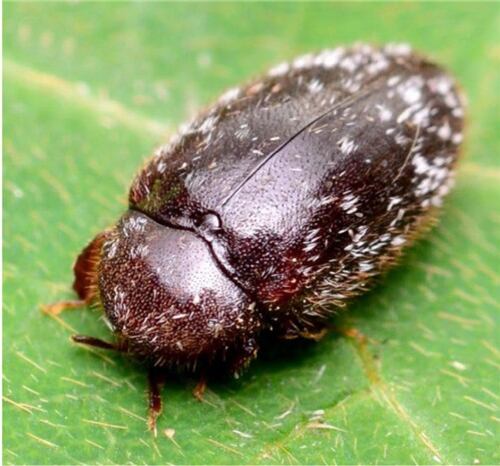
Among the species added to this National Species List, 307 are newly identified species that have been verified globally for the first time.
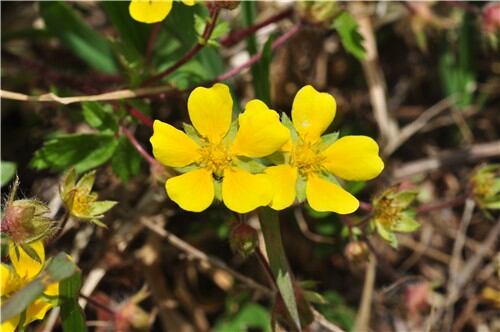
A typical example is the *Beodeum-yangjikkot*, recognized as a native species occurring exclusively in the central areas of the Korean Peninsula. It is a long-lasting plant that produces yellow flowers with four petals and possesses horizontally spreading roots. Another newly discovered species, the *Ip-sagwi-keun-yojeong-gaet-jireong-i*, is known for its leaf-like tail and feeds on organic material found along the sandy shores of the western coast.
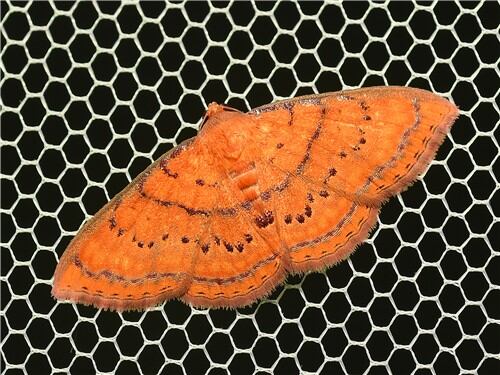
Owing to global warming, species that once lived in foreign areas have been found in South Korea and are now included in the National Species List. Among the previously unrecorded species (organisms recognized as living in other countries but newly verified in South Korea) added this time are the *Geobuk-ddangjeongbeol-le* and *Juhong-bujeon-jjal-geum-nabang*, which are creatures found in tropical zones like India and Indonesia.
By the end of last year, the National Species List contained 5,795 plant species, 2,191 vertebrates, 32,684 invertebrates, 6,612 fungi, 6,709 algae, 2,619 protozoa, and 5,994 prokaryotes, categorized according to their taxonomic groups.



 jasdooit
Leave a comment