
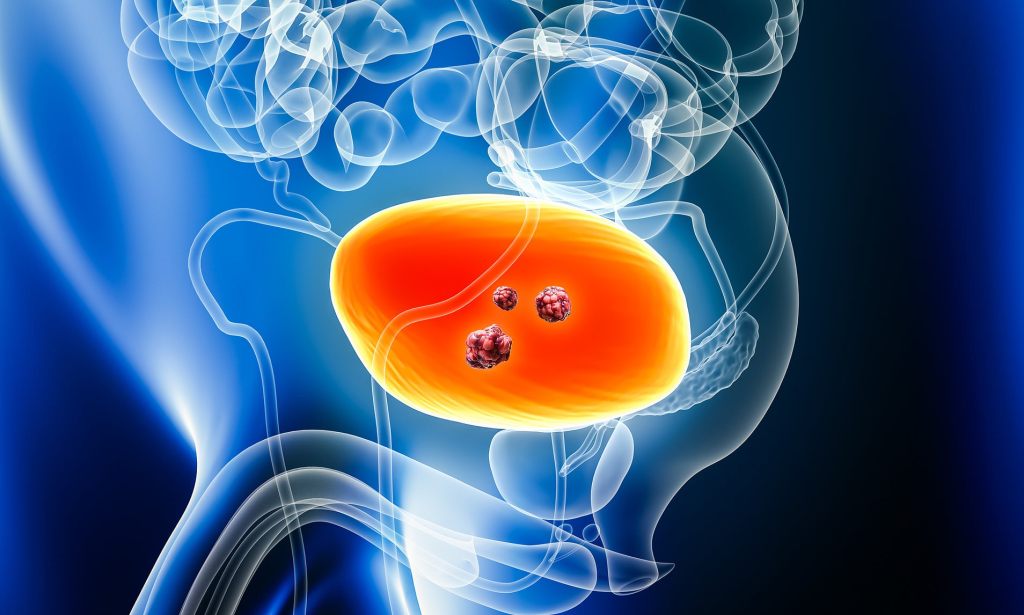
Patients suffering from a severe type of bladder cancercancermight have a higher likelihood of surviving due to a new medication.
Research indicates that durvalumab may stop the advancement of the muscle-invasive type of the condition and reduce additional hospital visits.
Last week the NHSThe spending watchdog approved the deployment of the immunity-enhancing medication through the NHS.
A significant study involving over 1,000 patients tested durvalumab and found that therethere was a 32 percent decrease in the risk of progression compared to usual care.
Invasive bladder cancer (MIBC) refers to a more severe form of the condition, where cancer cells have spread into the muscle layer of the bladder.
Approximately 18,000 individuals are diagnosed with bladder cancer annually, with about one in four cases being muscle-invasive bladder cancer. Symptoms may involve blood in the urine, discomfort in the lower back or abdomen, and unexpectedweight loss.
Even with existing therapies, approximately half of the patients face a return or worsening of their condition within five years.
According to the updated suggested treatment plan, durvalumab is given in combination with chemotherapy prior to radical cystectomy — which involves the full removal of the bladder — and is maintained following the operation.
Around 630 patients per year are anticipated to qualify for the treatment. Specialists have praised the decision made by the National Institute for Health and Care Excellence (NICE), stating it is ‘essential’ for those in need.
Any cancer diagnosis has a significant effect – and a diagnosis of muscle-invasive bladder cancer can be life-altering,” says Jeannie Rigby from Action Bladder Cancer. “Getting access to new treatments that can enhance survival is essential.
Physicians involved in the trial have stated that the new standard of treatment could lead to more patients being “cured” of the difficult-to-treat cancer.
Professor Dr. Syed Hussain, an oncology expert at Sheffield Teaching Hospitals NHS Foundation Trust, stated: ‘We observe a larger group of patients attaining recovery, and I am pleased to see this has beenmade accessible to our patients by NICE.’




 jasdooit
Leave a comment