
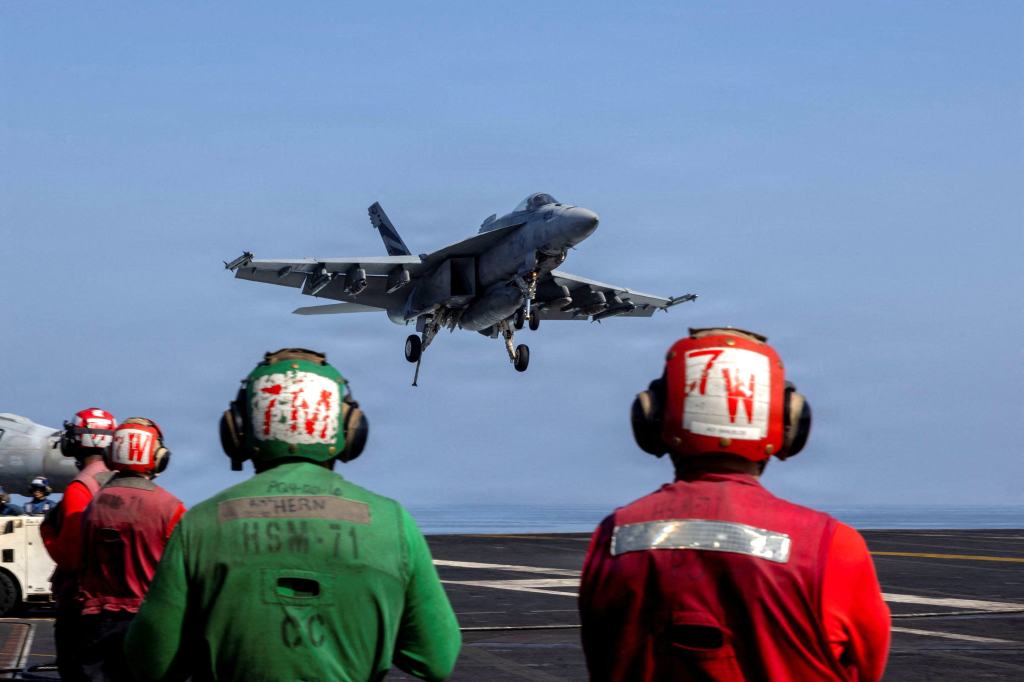
The initial oil crisis, known as the oil wave, began in the Middle East on October 16, 1973. Crude oil prices, which were $2.5 per barrel at the end of 1972, increased to $5.3 by the end of 1973. During that period, South Korea’s reliance on oil surpassed 50%.
On January 14, 1974, President Park Chung-hee announced the “Third Presidential Emergency Measure for the Stabilization of People’s Livelihoods” (also known as the January 14 Measure), three months after its implementation, based on Article 53 of the Constitution. President Park also issued a special statement encouraging both the government and the public to come together in addressing the crisis effectively. The emergency measure consisted of 17 carefully designed policies and has since acted as a base for governmental actions during Middle East conflicts. Nevertheless, specialists believe that the Lee Jae Myung administration is unlikely to take on a similar role, as the president’s economic strategies contradict the fundamental ideas of the measure. In what ways?
First Government Sacrificed under Park Chung-hee
The initial oil crisis led to a sharp increase in oil prices, resulting in higher import expenses. The cost of commodities went up, while exports fell. The balance of payments shifted into a deficit, and foreign exchange reserves were almost exhausted. In a last-ditch effort, President Park Chung-hee ordered Deputy Prime Minister for Economic Affairs Tae Wan-sun (Minister of the Economic Planning Board) to develop countermeasures and provide a report. In mid-December of that year, the deputy prime minister presented his findings. Following this, President Park called Kim Yong-hwan, the economic advisor to Cheong Wa Dae. “I gave the Economic Planning Board a month, but I still don’t grasp their proposal. If we react so weakly, we won’t get through this crisis. You need to create a new plan.”
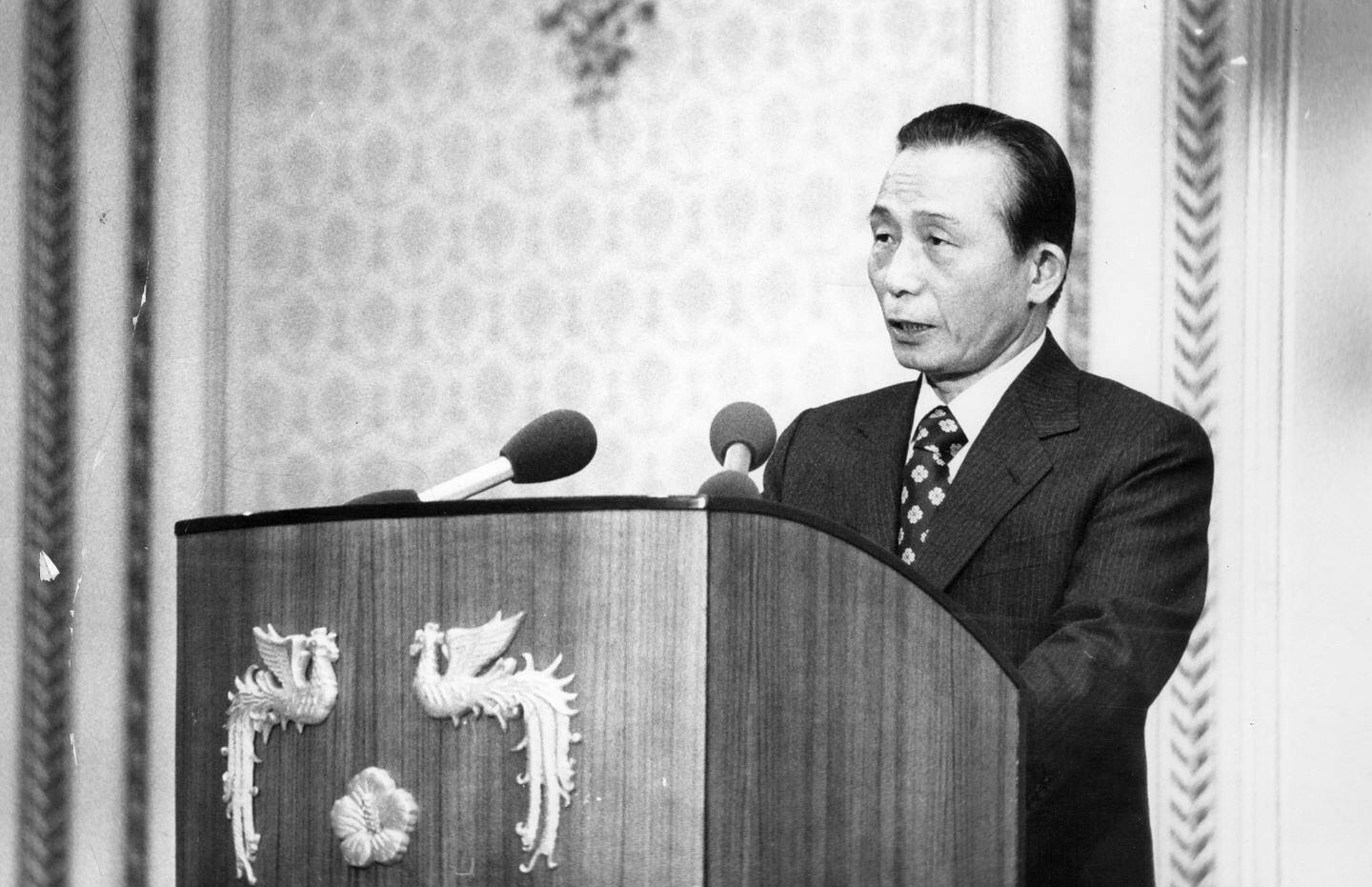
Secretary Kim, along with 11 assistants, secretly developed countermeasures for a month at the Bukak Park Hotel in Segeumjeong, Seoul. The strategy centered on four key areas: ① maintaining stable prices for essential goods and public utilities by ensuring an appropriate money supply, ② boosting disposable income for low-income individuals by lowering labor income tax, business income tax, and resident tax for a year, ③ implementing significant taxes on luxury consumption such as high-end housing for high-income individuals to limit excessive spending, and ④ balancing the fiscal budget by reducing government spending by 50 billion won. The government intended to provide 75.5 billion won in benefits to low-income groups through these initiatives. Analysts suggest that the main focus of President Park’s emergency measures was to reduce government spending in line with tax cuts to prevent inflation, as issuing deficit bonds equal to or exceeding the scale of tax cuts would have increased the money supply and worsened price instability.
In his remarks, President Park stated, “Thanks to the hard work of our people, we have surpassed numerous challenges and set global benchmarks for growth and development. The government and citizens have come together to examine a wide range of policies in order to navigate this crisis.”
First Secured Government Share under Lee Jae Myung
Experts claim that President Lee Jae Myung is almost unable to reflect the spirit of self-restraint in governance that characterized President Park’s measures during the January 14 oil shock. This is due to the fact that President Lee has implemented a “big government” approach since assuming office, expanding both the budget and structure of the government. For example, this year’s budget (728 trillion won) has been increased by 8.1% compared to the previous year. Moreover, the government intends to issue 109 trillion won in deficit bonds to cover the higher spending. Additionally, President Lee has developed a mid-term fiscal plan aiming to raise annual budget spending by 4.0–8.1% and issue 109–124 trillion won in deficit bonds each year from 2025 to 2009. Notably, while total fiscal expenditure is expected to grow by an average of 5.5% annually over five years, the administrative budget needed for government operations will rise at a higher average of 6.4% per year. Experts view this as an effort to manage election sentiment by spending generously throughout the term to ensure re-election. Recently, with tax revenues showing signs of growth due to a semiconductor boom, President Lee has already indicated plans to prepare a supplementary budget to spend the extra funds instead of reducing deficits.
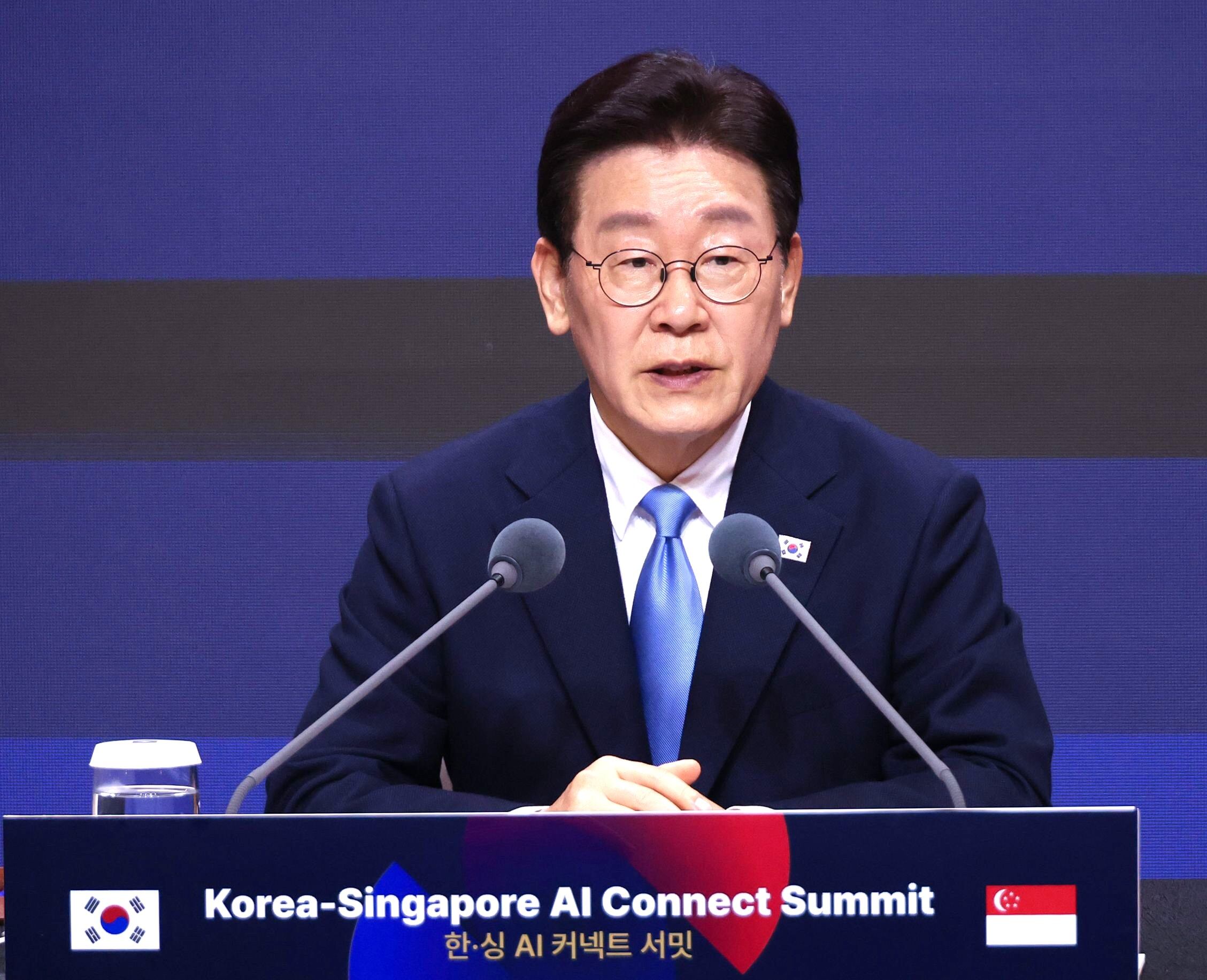
President Lee Jae Myung’s approach to economic policy is also reflected in the restructuring of government departments. For instance, economic agencies have traditionally been centered around the Economic Planning Board (which handles macroeconomic planning, economic strategy, and budgeting) and the Ministry of Finance (responsible for financial and tax matters), since President Park Chung-hee’s development initiatives. In 1994, President Kim Young-sam combined these two entities into the Ministry of Finance and Economy, aiming to cut down on government staff and expenses, reduce the tax burden on citizens, and simplify regulations. Following the 1997 foreign exchange crisis, legislative functions were divided back into two separate ministries due to discussions about accountability. However, starting this year, President Lee Jae Myung expanded the two ministries into three by creating the Ministry of Planning and Budget as an independent entity. This move increased the number of public sector jobs and the taxpayer funds needed to support them. One expert remarked, “The creation of the Ministry of Planning and Budget is a way for the president or politicians to manipulate national budgets like candied gourds without facing opposition from bureaucrats.” Another expert viewed it as a response to former President Yoon Suk Yeol, whose acting prime minister appointed a constitutional court judge against President Lee’s preferences during the state of emergency.
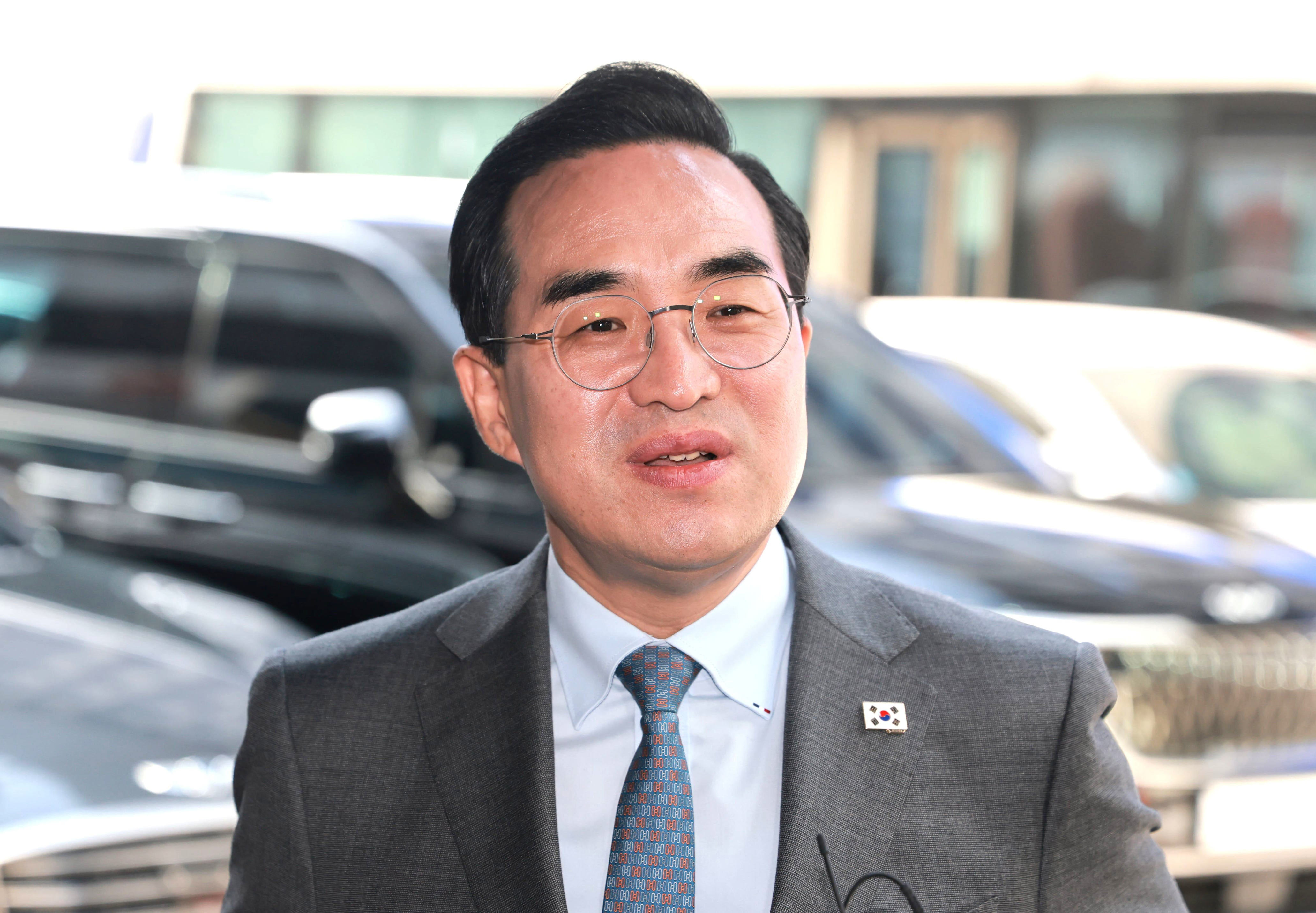
Experts state that because President Lee is reliant on expansionary fiscal policies and a large governmental framework, it is challenging to anticipate him adhering to President Park’s approach of initially cutting government spending. Some analyses contrast leaders who possess an “owner mentality” accountable for the country’s future with those having a “stranger mentality” who completely reshape the nation’s system for their own safety, a structure that has been in place for almost 80 years.

 jasdooit
Leave a comment