
The Albanese administration has refuted claims that it was ‘fiscally weakened’ by the Reserve Bank of Australia following its announcement of an additional cash rate increase and criticism of Labor’s financial policies.
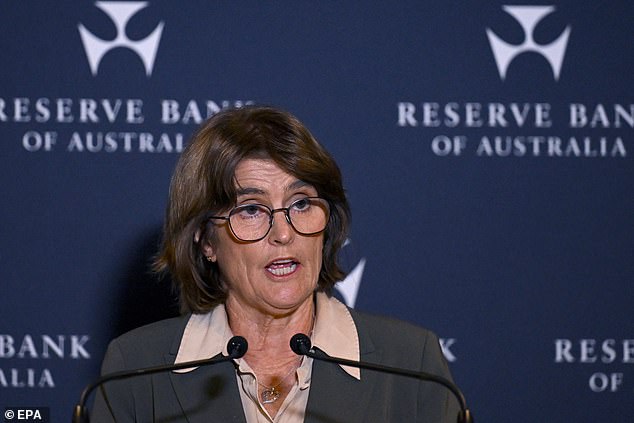
During their meeting on Tuesday, the RBA board, led by Michelle Bullock, raised the cash rate by 0.25 percentage points to 4.35 per cent, affecting Australian homeowners with mortgages.
The choice was driven by ongoing inflation, which the TreasurerJim Chalmersearlier this year stated that the government had brought under control.
In a 45-minute press event, Bullock strongly criticized the Albanese government’s efforts to secure electoral support.
“The degree to which the government covers budget deficits for families by providing them with additional funds complicates efforts to reduce demand,” she stated.
The remarks were made just hours following reports suggesting the Albanese administration was contemplating a temporary tax relief in the upcoming Federal Budget.
Australian taxpayers may receive a tax offset ranging from $200 to $300 for earned income, as reported by The Australian.
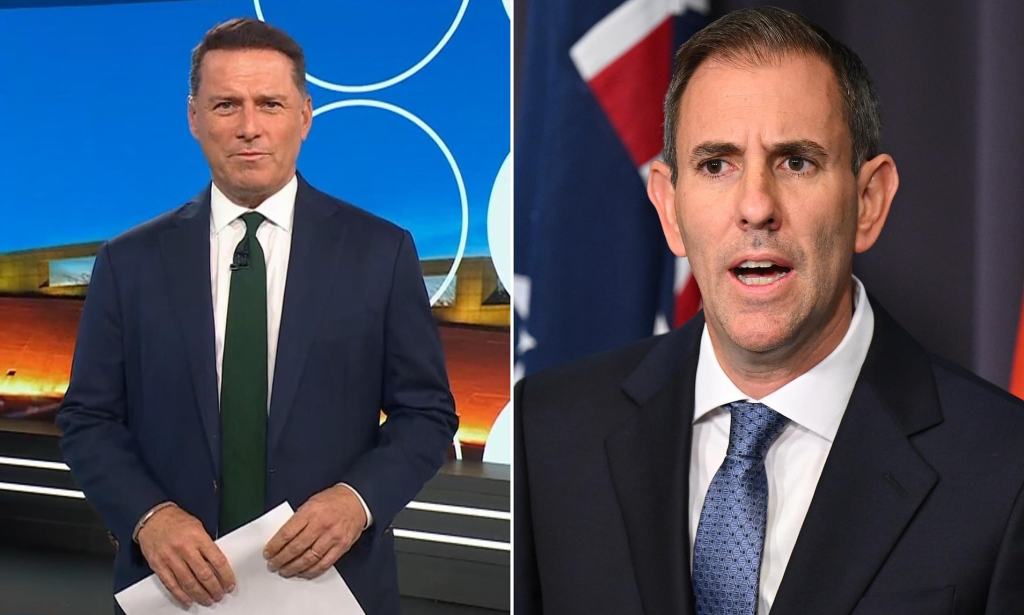
During a difficult conversation on Wednesday morning, Chalmers was questioned by Today show host Karl Stefanovic: ‘How does it feel to be financially outmaneuvered by the Reserve Bank Governor?’
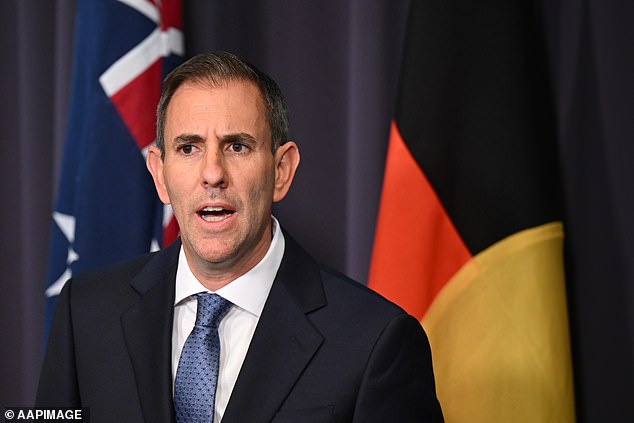
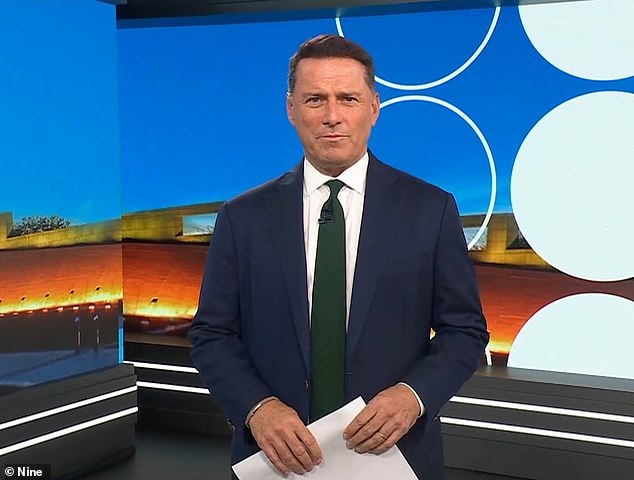
The television host pressed the Treasurer on whether he would heed Bullock’s caution regarding ‘government stimulus’.
The phrase refers to deliberate measures taken by governments or central banks to stimulate economic growth during periods of decline, recessions, or emergencies.
It may appear as higher expenditures, tax reductions, or lower interest rates.
However, Chalmers maintained that the Governor’s statement was a reply to a theoretical question.
“Clearly, I don’t view it in the same manner. Karl, this will be a very serious budget, as we are addressing the inflation issue in our economy with great seriousness, because we understand that people are facing significant pressure,” Chalmers stated.
The leader was posed a theoretical question regarding budget rumors suggesting there would be significantly more financial support in the budget.
There will not be much more stimulus in the budget. In fact, the budget will reduce overall spending. There will not be a large amount of new stimulus in the budget.
Stefanovic urged Chalmers further, noting that he ‘is clearly unable to address the problem of government expenditure by increasing it.’
However, the Treasurer mentioned that the Albanese administration had ‘identified several savings’ to reduce the budget.
“(It will create) space for priorities such as urgent care clinics and Medicare funding, the fuel tax reduction, these kinds of truly significant actions we are implementing,” Chalmers stated.
But in general, we will be reducing expenditures.
On Tuesday, Chalmers also stated that a major factor contributing to Australia’s increased cost of living is the conflict in the Middle East.
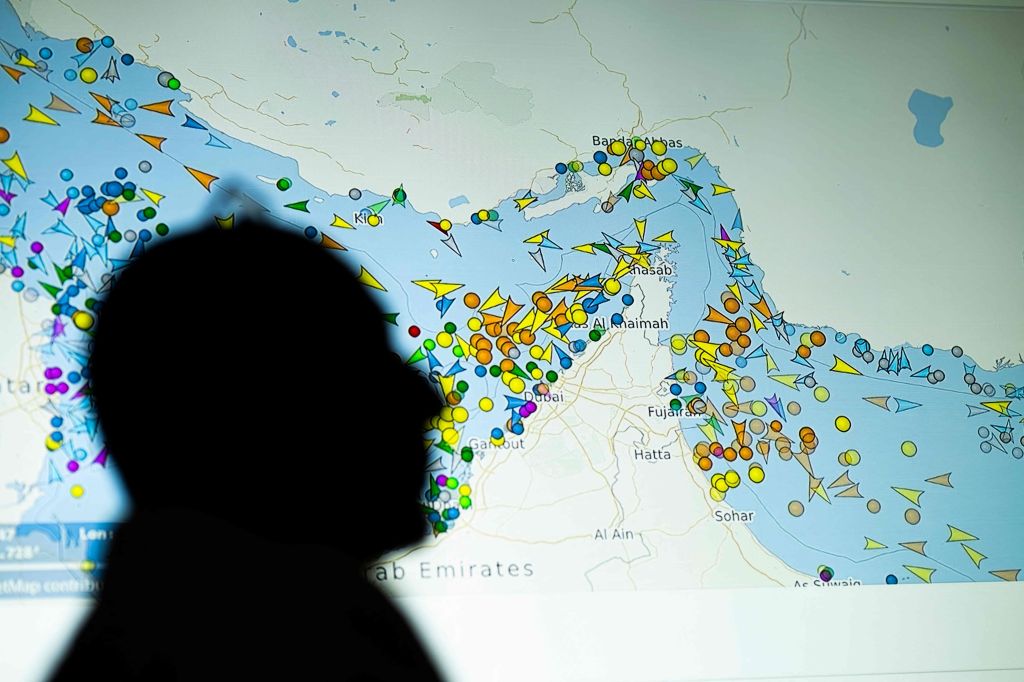
Bullock stated on Tuesday that Australians had become less affluent due to rising oil prices following the U.S. military actions against Iran and the subsequent retaliation, which led to the Strait of Hormuz being effectively closed.
However, she mentioned that even prior to the conflict, demand in Australia exceeded supply, leading to higher prices.
The economy’s capacity to provide the goods and services that were being demanded overall, including from the government and the private sector, was exceeding its ability to deliver them.
That’s why prices were increasing.
Although earlier increases in the cash rate by the RBA were closely divided, Tuesday’s decision featured a strong majority, with eight out of nine board members supporting the increase.
The sole remaining member decided to maintain the rates.
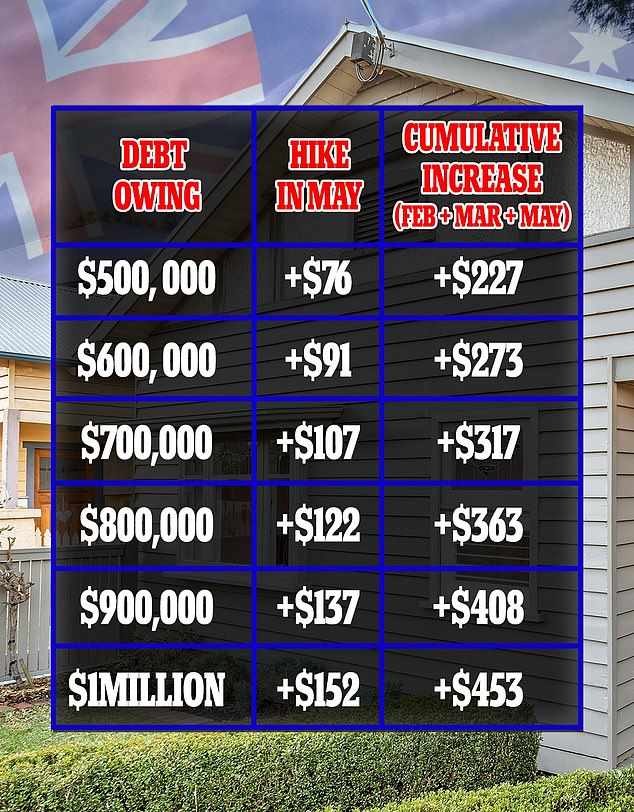
For a homeowner with a $600,000 mortgage and 25 years left on the loan at the beginning of this year’s rate increases, an additional 0.25 percentage point raises their minimum monthly payments by $91.
The overall rise over the three increases since February would amount to $272 per month.
The rise will raise the average owner-occupier variable rate to 6.26 percent, exceeding the 6.25 percent level for the first time since January 2025.


 jasdooit
Leave a comment