
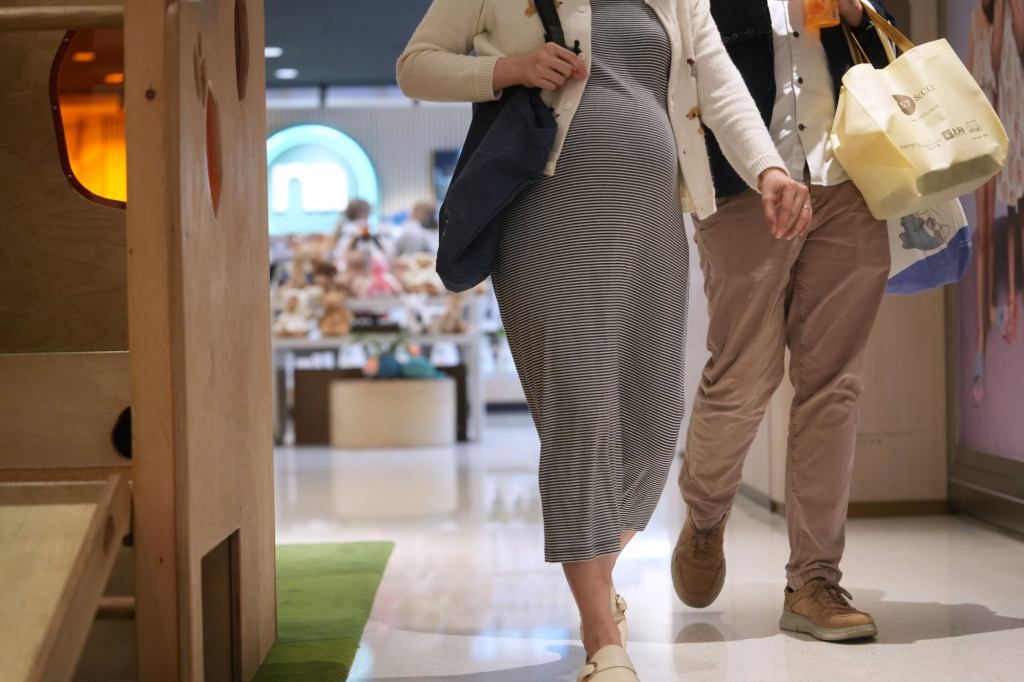
Only HK$1.31 billion, which is 57.5% of the HK$2.28 billion designated for the baby bonus program, has been utilized by February, and the three-year initiative is scheduled to conclude in October.
Twenty married couples from Hong Kong have each been given baby bonuses amounting to HK$60,000 (US$7,700) for having three children within roughly two and a half years.
However, less than 60 percent of the HK$2.28 billion allocated for the three-year government program has been distributed by February, leaving just over six months until it concludes in October.
Official statistics revealed that the city’s officially recorded birth rate in the first two months of this year fell by 20 percent when compared to the same period in 2025.
Are you curious about the major issues and developments happening globally? Find the solutions withSCMP Knowledge, our latest platform featuring curated content including explainers, FAQs, analyses, and infographics, presented by our acclaimed team.
A leader of a youth group mentioned that the decrease indicated an increasing perception among young individuals that having children is a cause of stress and hardship, rather than a source of hope and happiness.
Just HK$1.31 billion, which is 57.5 percent, of the HK$2.28 billion designated for the baby bonus program had been spent by February, as reported by the Labour and Welfare Bureau, with the three-year initiative scheduled to conclude in October.
The initiative, which began in October 2023, offers a one-time payment of HK$20,000 to qualifying parents upon the birth of a child. The newborn must have been born in Hong Kong, and at least one parent needs to be a permanent resident when applying.
From the start of the program, 66,259 infants have become eligible for the incentive.
The government stated that it distributed the bonus on three occasions to approximately 20 bank accounts since the program began, indicating that 20 couples had three children each within a span of two years and four months.
“The Treasury’s records state that the newborn baby bonus was paid out twice and three times to approximately 1,820 bank accounts and around 20 bank accounts respectively between October 25, 2023, and February 28, 2026,” it mentioned.
It also indicates that an additional 1,820 couples were given HK$40,000 each for having two children during the same time frame.
The initiative was launched following the city’s declining birth rate, with just 32,500 infants born in 2022, marking a historic low at that point.
When applying for financial support in early 2024, officials estimated that the initiative might increase the birth rate by 20 per cent, rising from approximately 32,500 in 2022 to roughly 39,000 annually.
However, in 2025 there were only 31,100 births, setting a new record low and being 20 percent below the government’s projections.
The agency stated that officials are carrying out a thorough assessment of the program, including data analysis and comprehensive evaluation of the associated matters.
In the initial two months of the year, 4,787 births were recorded by the Immigration Department, reflecting a 21 percent decrease compared to the same period in 2025.
According to Hong Kong legislation, parents are required to register their child in order to receive a birth certificate, usually within two months after the child’s birth.
This year’s decrease was more significant than the 19 percent drop in 2020, which occurred in the year after the 2019 social disturbances.
Christa Cheung Shuk-fung, the head of the Hong Kong Federation of Youth Groups, mentioned during a recent seminar discussing aging, migration, and birth rates that today’s youth are dealing with limited time, insufficient support, and uncertainty, in addition to ongoing challenges like high living expenses, child-rearing costs, education, and even environmental threats.
“They aren’t merely wondering, ‘Can I afford a child?’ They are questioning, ‘Will the world my child inherits be secure and just, and is it worth the effort?’” she stated.
Last year, her team conducted a survey involving 1,100 young people in Hong Kong between the ages of 13 and 29. The results showed that just 38 percent of those surveyed were interested in having children, while 31 percent stated they had no desire to have any.
As per comparable research, 15 percent of young people in Japan and the United States show no desire to have children, approximately 12 percent in Germany, and 8.9 percent in France.
She mentioned that the primary issue cited by participants was related to financial matters.
“Several individuals concerned about their financial situation possess steady earnings. Their anxiety relates to employment stability and what lies ahead,” Cheung mentioned.
They stated that due to the swift advancements in AI and possible economic declines, they are concerned that losing their job might make it difficult to provide for a family.
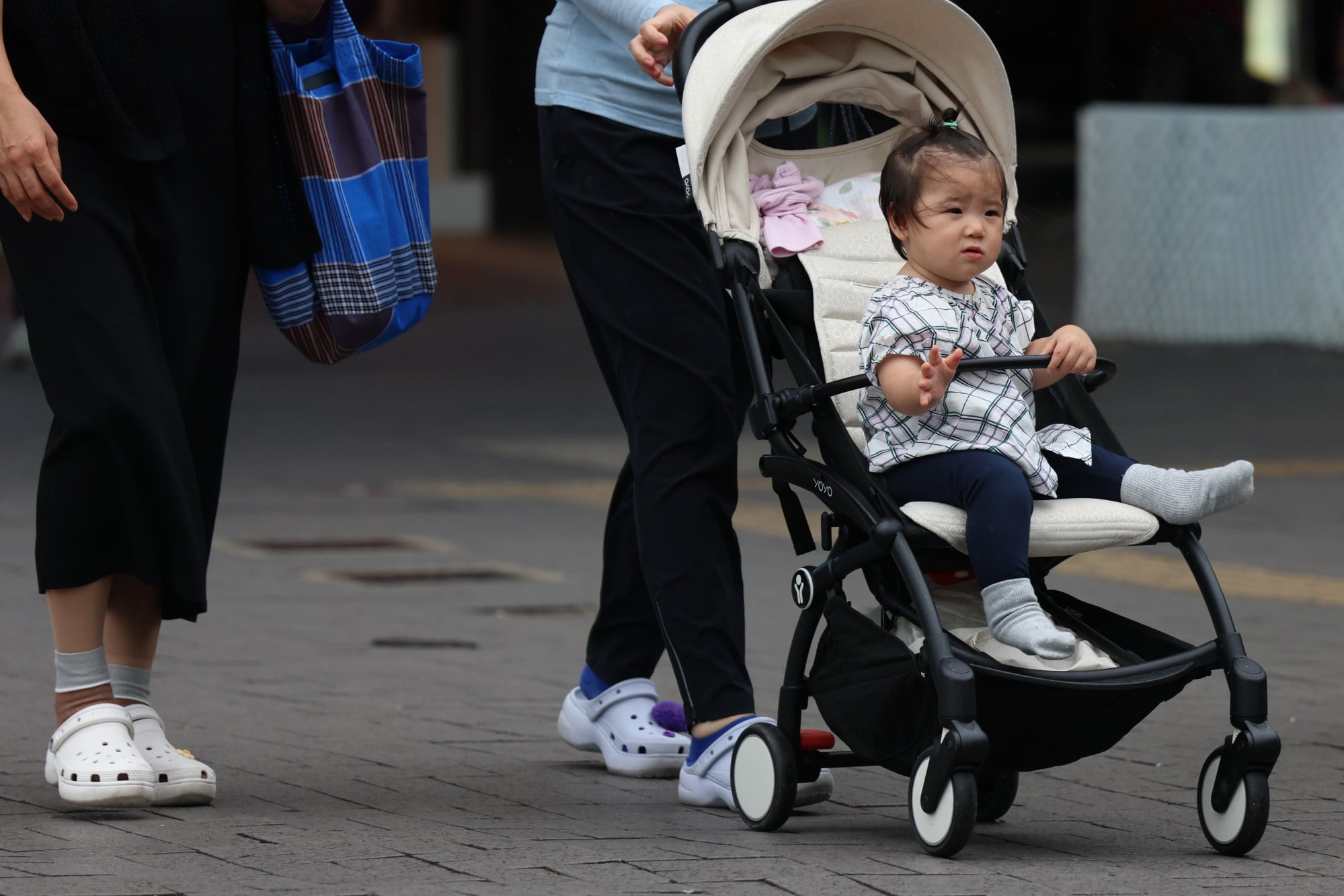
A significant factor was concerns about burnout caused by a highly demanding educational system.
She mentioned that some young individuals are discouraged by the intense rivalry for positions in kindergartens, primary and secondary schools, and universities, along with the never-ending after-school activities, which many encountered during their own childhood.
“To them, being a parent is not seen as a joy; they view it as a never-ending risk management task. Having a child has turned into a source of sacrifice and pressure,” she stated.
Some participants mentioned, ‘I am able to afford two visits to Japan annually and can go out every Friday night. Why should I sacrifice that for a future that seems so unpredictable?’
Stuart Gietel-Basten, a social science and public policy professor at the Hong Kong University of Science and Technology, stated that the baby bonus program should not be eliminated and that the reasoning behind the subsidy needs to be expressed in another way.
He mentioned that the government ought to present the subsidy as a way to reduce the costs of child-rearing, instead of addressing the issue of the declining population.
The second-lowest birth rate in 2022 has resulted in the closing of 29 preschools.
The Department of Education reported a 7 percent decrease in the number of children enrolled in Kindergarten One for the 2025-26 school year, as most of the infants born in 2022 begin their preschool education this academic term.
Just 34,454 young children are currently enrolled in K1, a significant drop from the high of 65,323 students recorded in 2015.
Out of the 29 kindergartens that have shut down, the Eastern district—among the oldest regions in Hong Kong—suffered the most, with six early childhood centers closing by the end of the 2024-25 academic year.
More Articles from SCMP
Why is Hong Kong putting a hold on basketball wagering?
This piece was first published in the South China Morning Post (www.scmp.com), a top news outlet covering China and Asia.
Copyright (c) 2026. South China Morning Post Publishers Ltd. All rights reserved.


Leave a Reply