
April 17, 2026 (KHARTOUM) – Sudan’s cotton exports have dropped significantly as the land used for growing this cash crop has decreased to record lows, according to the leader of the nation’s Exporters’ Chamber on Friday.
Once a major global producer that supported the Gezira Scheme to supply British textile mills, Sudan has now become a minor exporter. Wajdi Mirghani Mahjoub stated to Sudan Tribune that the amount of farmland decreased from more than 1.2 million acres during the 2021-2022 season to just over 300,000 acres at present—a reduction of about 70%.
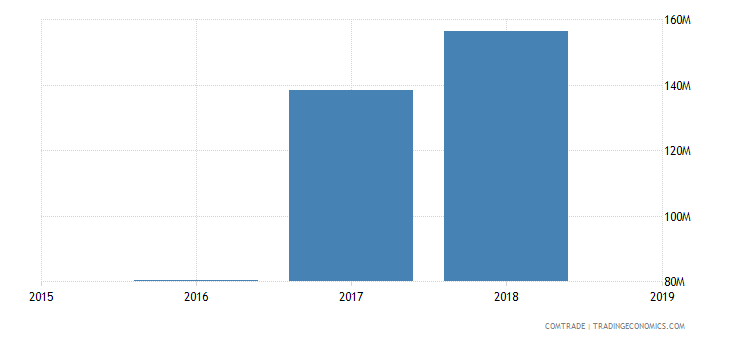
Last year, exports declined to approximately $64 million, Mahjoub noted. He outlined substantial losses in major regions: Al Qadarif decreased from 500,000 to 100,000 acres, Blue Nile dropped from 400,000 to below 200,000 acres, and Gezira experienced a sharp decline from 180,000 acres to between 20,000 and 30,000 acres.
Mahjoub cited a major credit shortage, the Agricultural Bank’s exit from funding, and a surge in production expenses as reasons for the decline. The price of fertilizer increased from $400 to $850 per tonne, marking a rise of more than 100%, while fuel and pesticide costs also saw significant increases.
Mahjoub encouraged the establishment of a domestic textile sector by utilizing long-term, low-interest financing to enhance value instead of merely exporting raw fibers. He referenced Bangladesh as an example, which imports $4 billion worth of cotton and exports $34 billion in finished textiles each year.
As per a 2025 report from the Central Bank of Sudan, the nation encountered a trade deficit amounting to $3.86 billion. Total exports reached $2.64 billion, while imports totaled $6.49 billion, which included $357 million in textiles and $1.8 billion in food items.
Provided by SyndiGate Media Inc.Syndigate.info).




 jasdooit
Leave a comment