
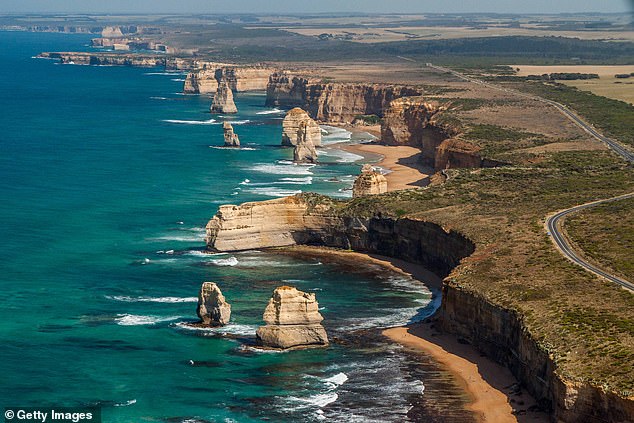
They are the impressive limestone pillars that attract tourists from around the globe – and recently, researchers have finally uncovered how Australia’s famous Twelve Apostles came into existence.
The towering formations, which can rise as high as 230 feet (70m), are situated near the coast of Port Campbell National Park in Victoria.
Scholars have never completely grasped how they came into existence, and to many people, they might seem as though they have always existed.
But currently, a group from the University ofMelbournehave found that the movement of tectonic plates over millions of years caused the large formations to rise and tilt out of the ocean.
This geological occurrence contributed to the Apostles becoming one of the most well-maintained and easily reachable examples of ancient climates and sea levels worldwide.
The latest study also shows that the layered limestone is 14 million years old, originating from an era when global temperatures were approximately 3°C warmer than current levels.
“Similar to an environmental time capsule, every layer of these massive structures holds data about the Earth’s climate, tectonic movements, flora, and fauna over millions of years,” said lead researcher Stephen Gallagher.
This covers a significant period approximately 13.8 million years ago, when the climate was considerably warmer than it is now.
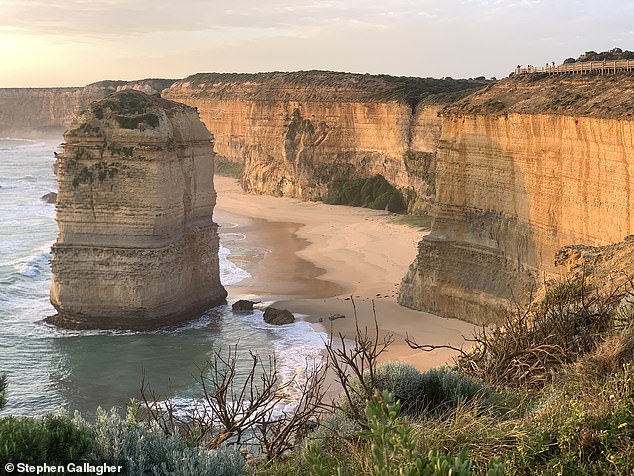
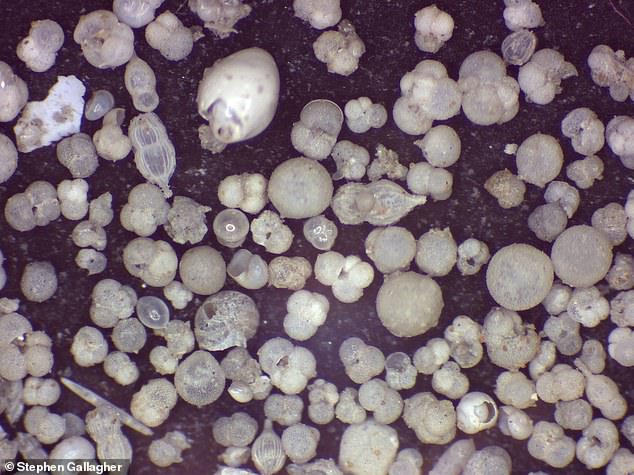
Scientists applied mapping techniques and microfossil examination to thoroughly investigate the geology of the formations.
Similar to tree rings, the layers gave researchers a better understanding of their development.
The research discovered that the regional limestone was lifted from the ocean over millions of years due to moving tectonic plates.
Nevertheless, it was just in the past few thousand years that coastal erosion revealed and formed the tall columns visible now.
“We also found that the tectonic shifts did not elevate the Apostles in a perfectly straight manner,” Dr. Gallagher stated.
Rather, they caused layers to tilt and fracture as they progressed. If you examine the cliffs of the Twelve Apostles today, you will notice that the limestone layers are not horizontal but are, in reality, angled slightly.
Slight cracks are also visible, which indicate past seismic events.
The research, released in theAustralian Journal of Earth Sciences, states that the Twelve Apostles are primarily made up of Port Campbell limestone – a fragile substance formed under shallow marine environments millions of years ago.
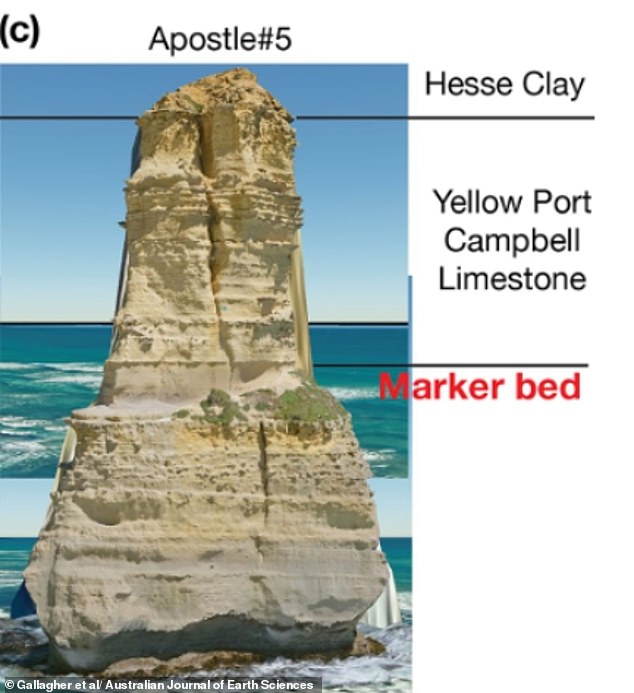
The existing rock formations started to develop once ocean levels reached their current state. Wave action along the coast eroded the cliffs, creating arches and rocky ridges that extend over the water.
When these arches ultimately gave way, the separate sea stacks remained.
“We are utilizing this ‘window back in time’ to gain insight into where temperatures and sea levels might be headed along our present course of climate change,” said Dr. Gallagher.
Only eight of the Twelve Apostles are still standing, so we should study and learn from them while we have the chance.
A decade agoFive new Apostles were found near the well-known location – but they are 150 feet (50m) beneath the water.
Known as the “drowned Apostles,” these underwater columns astonished geologists, as they were the first submerged limestone pillars ever observed anywhere in the world.
The finding was identified by PhD student Rhiannon Bezore, who was reviewing initial sonar images of the region.
According to David Kennedy, a geomorphologist from Melbourne University, the columns may have been kept intact due to the rapid rise in sea levels following the last ice age.
Last month, it was revealed that millions of tourists might soon be charged an entry fee to visit the location.
The purpose of the visitor fee is to more effectively handle large numbers of people, preserve the shoreline, and enhance regional economies along the Great Ocean Road, which draws 6.8 million tourists annually.
Residents and individuals from the Eastern Maar Indigenous group will not have to pay the entrance fee, the exact amount of which is yet to be determined and will be decided through discussions with local authorities, traditional custodians, and local enterprises.
A fresh reservation system will also be implemented to control the number of visitors and manage parking during busy times.




 jasdooit
Leave a comment