
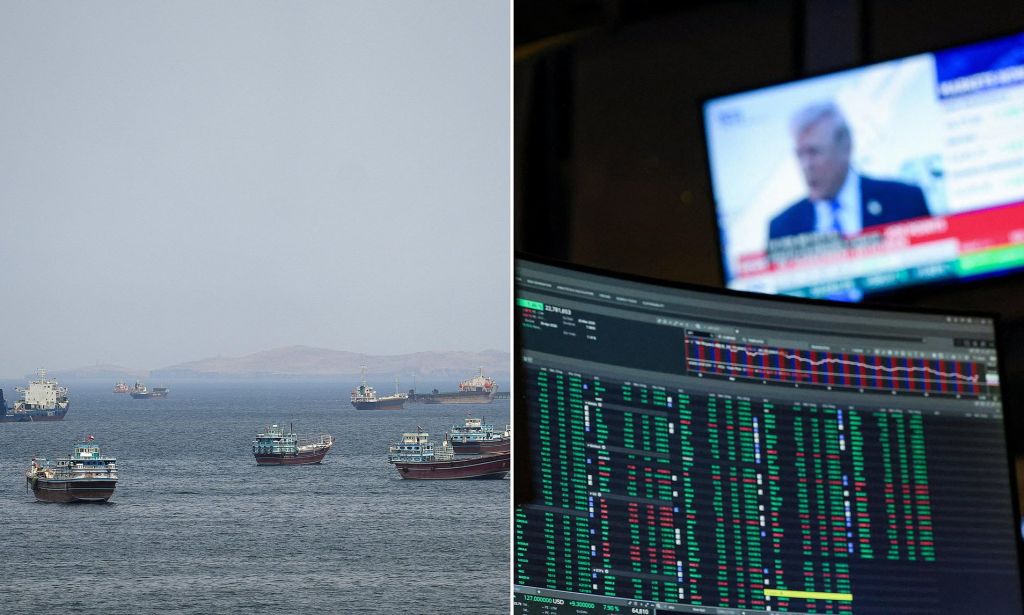
Traders made a series of wagers totaling $430 million on a decline in oil prices just 15 minutes prior toDonald Trumpdeclared an extension of the truce withIran, new information has come to light.
This is the third instance this month, and the fourth overall, where significant, well-timed directional wagers on oil prices have occurred just before major updates regarding the situation in Iran.
A single combined bet in March was valued at $500 million, whereas the total amount wagered in April reached approximately $2.1 billion.
From 7:54 pm to 7:56 pm GMT on Tuesday, 4,260 selling orders were placed in the oil market, totaling $430 million, as per LSEG data, using the current Brent futures price.
Trump stated he intended to prolong the ceasefire indefinitely at 8:10 PM GMT.
The Brent market closes at 6:30 PM GMT, indicating that these transactions occurred during what is referred to as after-settlement hours, a period when trading volumes are typically very low.
The transactions had limited effect on the price, which fell slightly to $100.66 per barrel, compared to $100.91 prior to the trades.
Following Trump’s statement, Brent crude futures dropped to a minimum of $96.83 in the subsequent minute. They were last recorded at $99.2 per barrel at 12pm GMT on Wednesday.
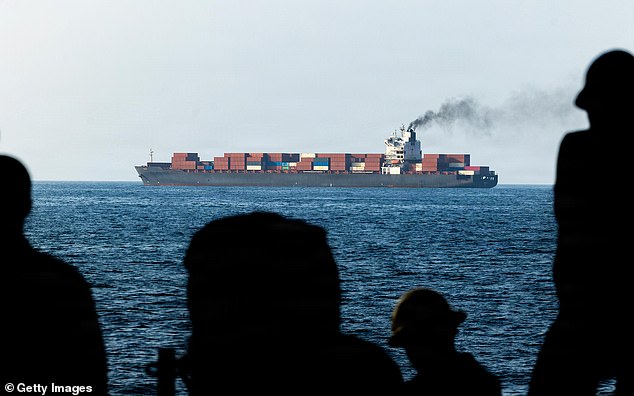
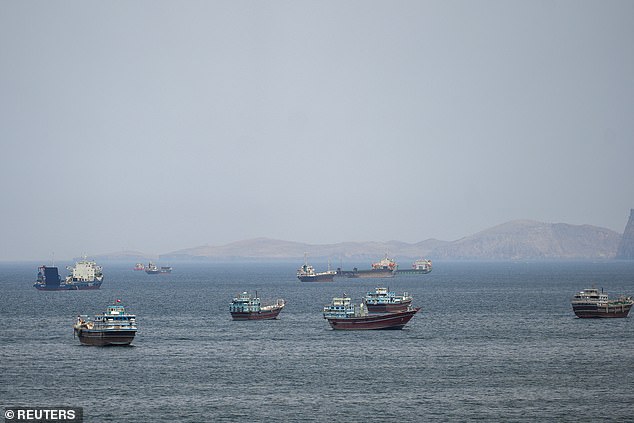
On March 23, 15 minutes prior to Trump’s announcement of a postponement of planned strikes on Iranian energy facilities, unidentified traders bet $500 million on a decline in oil prices.
In addition, on April 7, wagers totaling $950 million were placed just hours prior to Trump’s declaration of a two-week truce.
On April 17, approximately 20 minutes before the Iranian foreign minister announced on social media that the Strait of Hormuz would remain accessible for commercial vessels, traders made wagers totaling $760 million anticipating a decline in oil prices.
The United States is looking into a number of oil futures transactions, including those on March 23 and April 7, which occurred just before significant policy changes linked to Trump’s statements regarding the conflict in Iran, according to an individual who is aware of the situation, as reported on April 15.
A representative from the Intercontinental Exchange, referred to as ICE, chose not to respond.
Last month, White House personnel were cautioned against placing bets in financial markets with confidential data, according to a statement from a White House representative to the Daily Mail.
Although it did not directly reference Iran, the notice was delivered to the aides during the ongoing conflict, reflecting worries among high-ranking White House officials that certain members of the administration might use their positions to gain an advantage on betting sites.
Well-known prediction platforms Polymarket and Kalshi have become popular spots for bettors aiming to earn money by predicting outcomes ranging from sports events, to the specific words Trump might use, to the potential deployment of US ground forces in Iran.
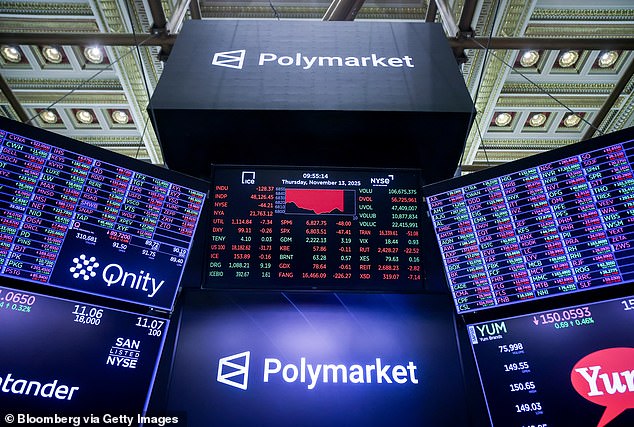
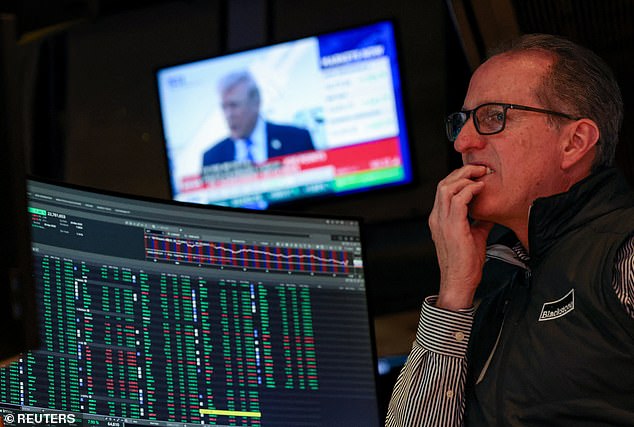
With the rise in betting and prediction markets, there have been concerns that individuals at the top levels of government are utilizing confidential, possibly classified, information to gain an advantage.
Prior to Trump postponing the deadline for Iran to reopen the Strait of Hormuz on March 23, billions of dollars worth of oil and stock futures were traded, with experts urging inquiries into the suspicious transactions that occurred at unusually favorable timing.
At least six million barrels of Brent and West Texas Intermediate oil were sold around 6.50am that day, which was approximately ten times the typical daily volume.
At 7:05 am, President Trump shocked global markets by stating that the US aimed to engage in talks with Iran.
Crude oil prices fell dramatically, by approximately 14 percent within minutes, and funds moved into the hands of initial traders.
No person from the Trump administration has been linked to any misconduct.
This isn’t the first instance where bold wagers have affected the markets since Trump assumed office: from Bitcoin to stock-index futures options, traders have earned significant profits, with prediction platforms making speculation even easier.
However, the possibility that insider traders are earning profits from highly confidential information originating from the Oval Office during the Iran conflict raises a much more evident security and ethical issue.
Matt Saincome, the chief executive of Unusual Whales, a service designed to identify unusual trading patterns, stated to the Daily Mail that the information provides minimal ambiguity regarding the need for regulatory scrutiny of these transactions.
I can state that the data here calls for an investigation,” Saincome said, mentioning March 23. “Regulators need to inform the public about what occurred here.
I’d really like to be present when this trader clarifies what occurred here. If the trader is never given the chance to explain, I’d still want to be there when regulators are questioned about why they didn’t ask.
At least 6 million barrels of Brent and West Texas Intermediate oil were sold in a short period, as per exchange data gathered by Bloomberg — approximately ten times the typical daily volume of about 700,000 barrels during the five days prior to the Monday transactions.
The unusual timing does not automatically imply that the transactions were unlawful, Saincome pointed out.
“All federal employees must follow government ethics rules that ban the use of confidential information for personal financial gain,” said White House spokesperson Kush Desai in a statement to the Daily Mail.
According to a White House representative, executive branch ethics rules forbid government workers from engaging in or taking part in gambling activities while on property owned or rented by the government, or while performing their duties for the government.
Nevertheless, the enormous volume of transactions makes the worries difficult to ignore.


 jasdooit
Leave a comment