
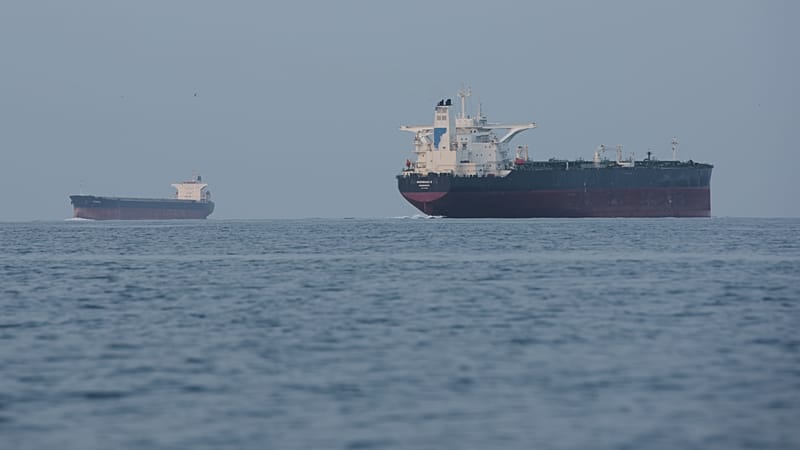
The U.S. military took control of an additional oil vessel in the Indian Ocean on Thursday, claiming it was linked to the illegal transport of Iranian oil, as the ongoing maritime conflict between the United States and Iran persists.
The capture of the oil tanker Majestic X came after Iran attacked three cargo ships on Wednesday in the Strait of Hormuz, seizing two of them.
The U.S. Department of Defense shared video footage depicting the capture of the ship, featuring U.S. soldiers on board, with a statement from the U.S. military saying, “We will maintain global maritime enforcement to break up illegal networks and stop ships that supply materials to Iran, no matter where they are operating.”
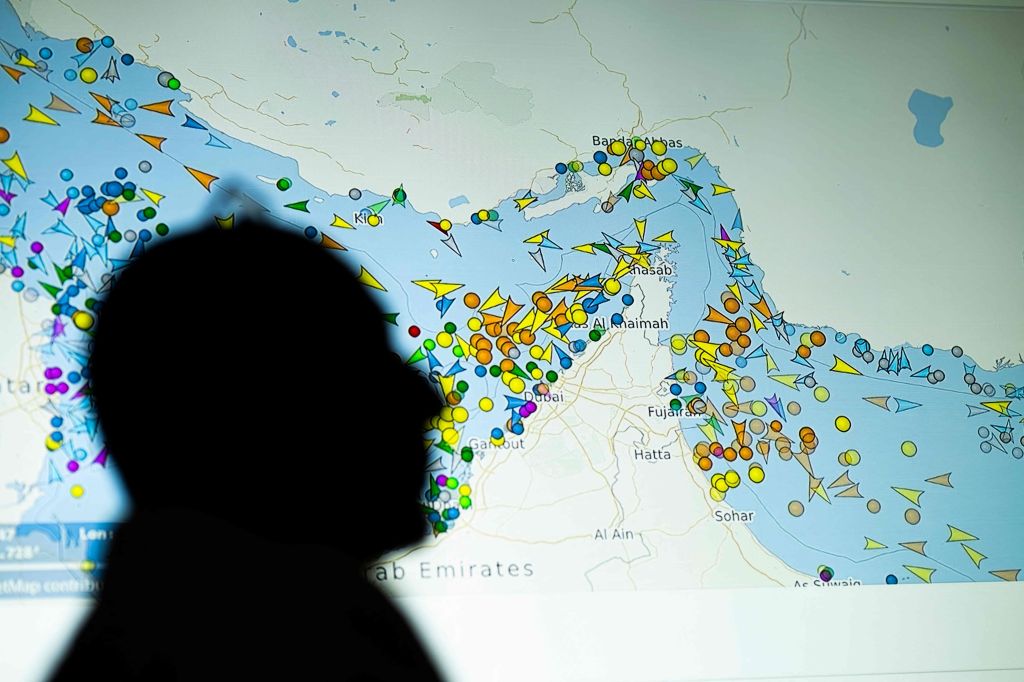
Marine tracking information indicated that the Majestic X might be found in the Indian Ocean between Sri Lanka and Indonesia, an area similar to where the oil tanker Tifani was previously taken by American forces. It was heading towards Zhoushan in China.
The grand vessel X, flying the flag of Guyana, was earlier called Phonix and faced sanctions from the US Treasury in 2024 for transporting Iranian crude oil in violation of US restrictions on the Islamic Republic.
Iran did not provide an immediate reaction to the report of the seizure.
Earlier on Thursday, Iran’s Revolutionary Guard Corps (IRGC) also shared video showing the capture of ships in the Strait of Hormuz.
Iranian media reported that two container ships were captured following an attack, while a third ship was also attacked in the waterway.
On Thursday, ongoing diplomatic attempts concerning the Strait of Hormuz are still at a standstill, as Iran becomes more resolute in its stance amid continuing tensions in the strait.
Iran’s parliamentary leader, Mohammad Bagher Ghalibaf, stated that reopening the strait would be “unfeasible” as long as the US naval embargo continues, labeling it a “clear breach” of the truce.
Iranian President Masoud Pezeshkian also accused Washington of the impasse, stating, “bad faith, blockade, and intimidation are the primary barriers to real dialogue.”
Iranian authorities stated that discussions cannot restart unless the US embargo is removed, despite the ceasefire halting direct combat operations.
Iran indicates a stronger hold on the passage
In addition, Hamidreza Haji Babaei, Iran’s deputy parliament speaker, stated that Tehran asserted it had already gathered transit charges from vessels traveling through the strait.
Initial income was sent to the central bank, as reported by Iran’s semi-official Tasnim news agency.
Haji Babaei mentioned that “the initial income from Hormuz transit tolls has been transferred” to government funds, while another legislator stated that fees differ based on the cargo and sea conditions.
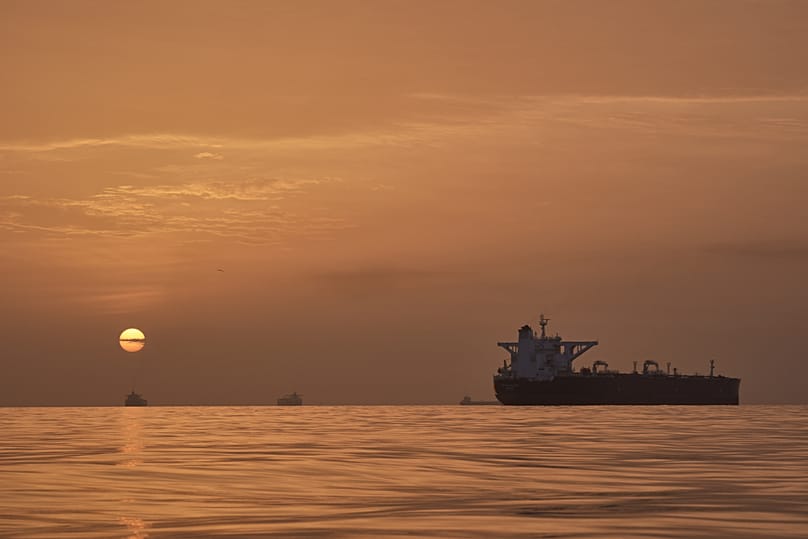
In the meantime, U.S. officials stated that resuming regular shipping might require time, even if a deal is made to restore unrestricted passage through the strait.
The Pentagon stated that removing Iranian sea mines in the strait might require as long as six months, whereas other projections indicate that commercial shipping could begin to resume within weeks.
Maritime vessel operators and insurance providers will require more than just a declaration of a peace agreement to resume passage through the strait as they did prior to the conflict.
As per the analytical and data company Rystad Energy, once the conflict concludes, it would require between six and eight weeks to reorganize the global tanker system.
Marine vessel operators and insurance providers would require between two to five weeks to adapt to a changed operational setting and return to regular activities.



 jasdooit
Leave a comment