
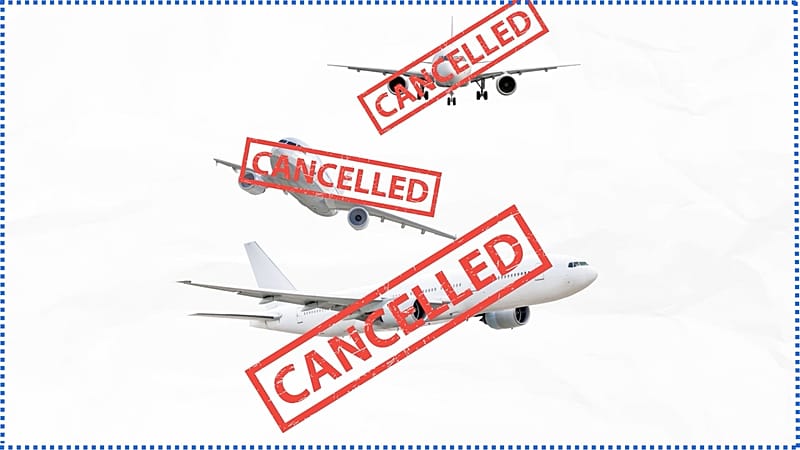
Although the European Commission softens the alerts from energy specialists, the airlines are presenting a contrasting narrative.
Scandinavian Airlines has canceled approximately a thousand flights; Lufthansa has also taken similar action by removing 20,000 routes, while Air France-KLM is adding a €100 fee to long-haul tickets.
EU refineries represent approximately 70% of the jet fuel used by the 27-nation group, while the remaining supply is typically sourced from the Middle East. Nevertheless, the closure of the Strait of Hormuz has caused significant disruption in global oil transportation, pushing jet fuel prices to double their previous amounts.
Last week, the International Energy Agency cautioned that Europe has approximately six weeks of supply remaining, which might result in flight disruptions.
The European Commission claims that flight cancellations are not caused by supply issues but instead stem from the airlines’ own financial instability.
Nevertheless, to ensure safety, it introduced AccelerateEU, a strategy aimed at managing emergency fuel supplies and prompting member countries to begin exchanging what remains in their reserves.
The EU is also looking at new imports from the United States. However, US jet fuel adheres to somewhat different chemical specifications.
The European Commission is attempting to reassure Europeans, yet the guidance provided by EU transport ministers—gathered before this week’s summit in Cyprus—is somewhat challenging: they are advising Europeans to ‘reduce demand’ by opting for public transportation and electric bicycles.
It’s a commendable concept, but you can’t really cycle an electric bike from Brussels to Ibiza, can you?
The discussion on the energy crisis is expected to take place today and tomorrow during an informal meeting of EU leaders in Cyprus. I’m simply curious about their plans to reach there.
View the video in the player located above for the complete narrative.



 jasdooit
Leave a comment