

Within military circles, discussions for months have centered around the imminentDefence Investment Plan– a nearly legendary text that has attained symbolic significance.
The strategy is anticipated to outline the Government’s financial focus areas for the Ministry of Defence (MoD), and therefore, it is closely monitored by all within the defense industry. The repeated postponement since last autumn reflects the Government’s indifferent approach to national security.
Previous Labour defense secretary Lord Robertson’smajor interventionThis month, the Government’s “corrosive complacency” was acknowledged, but there is still no genuine indication that it will bring about change in No 10 or the Treasury.
However, an almost equally significant failure by the Government, given that it would have involved minimal expense in the overall context, is the total absence of the “national conversation on defence” promised in theStrategic Defence Review last year.
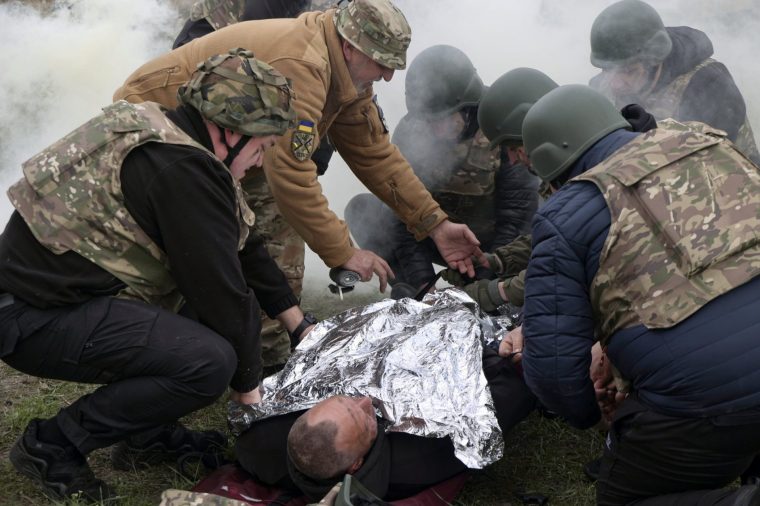
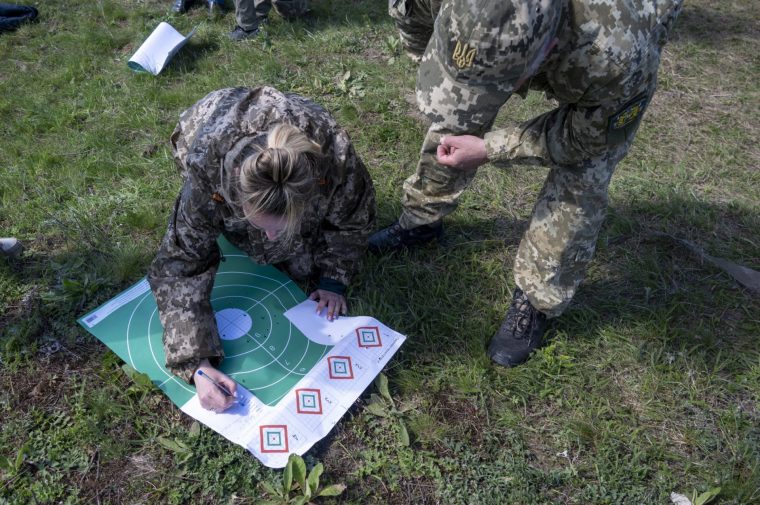
Societies engage in wars. Our history shows this – from the conflict with Napoleon to the two World Wars – as does thecurrent war in Ukraine, which I recently visited to observe a contemporary wartime society in operation. Widespread involvement from every segment of the population is necessary to maintain any national war effort.
Following the disorganized initiatives of the First World War, for instance, the UK deliberately worked to establish volunteer civil defense groups, which later carried out remarkable actions during the Blitz.
In Ukraine, numerous community resilience initiatives were launched by everyday people and forward-thinking businesses who recognized a pressing issue and attempted to address it on their own, either after 2014 or in the immediate period followingVladimir Putin’s full-scale invasion.
Nevertheless, defense continues to be largely an exclusive activity in the UK. Discussions about defense and security tend to take place within a narrow group of industry experts, think-tank analysts, high-ranking MoD personnel, and some specific journalists, usually in private environments. The terminology is often intentionally unclear (why are weapons now referred to as “effectors”?), outsiders are not trusted, and the general public is often looked down upon for supposedly “not understanding.”
Regrettably, raising awareness and educating the public often appears to be someone else’s responsibility. Because of this, the “national conversation” has never truly taken shape, either from the Government or the broader defense industry, except for some particular writers and individual initiatives such as the commendable ones.Wargame podcast from Sky News.
Unlike what many appear to believe, this is not solely about discussions on expenditure and trade-offs, even though these are significant. Equally vital is fostering a feeling of broader societal resilience, readiness, and mobilization, in every aspect of the term. Additionally, it should not simply involve increased media attention on defense. Individuals should experience involvement and connection to the national defense initiative, rather than just being well-informed spectators.
The absence of this discussion and sense of urgency within the general population represents a fundamental failure of the defense industry as a whole, spanning from the Government to defense companies and research institutions.
Where are the open discussions about resilience and safety, along with guides on how to act during a crisis, both for individuals and small enterprises? Where is the push for self-initiated civil defense groups that can assist communities during emergencies? Where are the TV shows and films that encourage dialogue about the risks we encounter?
Defense-related facilities and military installations ought to offer guided visits to demonstrate to local populations the economic significance of defense. Public deliberation groups should be established in collaboration with prominent research institutions.
A skeptic could argue that the Government isn’t interested in a national discussion about defense, to steer clear of difficult questions regarding funding — they might be right. Nevertheless, without any guidance from the Government, the broader defense and security sector must take initiative, particularly those who stand to gain significantly from the British taxpayer.
Certainly, this could disrupt the familiar patterns of conversing with the same individuals at the same set of conferences annually, and instead require genuine interaction with the public, preferably using straightforward language rather than confusing military terminology. While unpleasant for some, it is essential for those who claim to be concerned about national security.
The global environment is becoming more hostile, both in terms of international relations and climate change, and the previous assumptions are no longer valid. Britain must get ready, not only as a government but as a country. We are far from being prepared, in terms of resources or culture.
Matthew Palmer was part of the British Army and currently works as a writer, advisor, and Adjunct Fellow at the Council on Geostrategy. He contributes articles on his personal blog, Cracking Defence.





Leave a Reply