
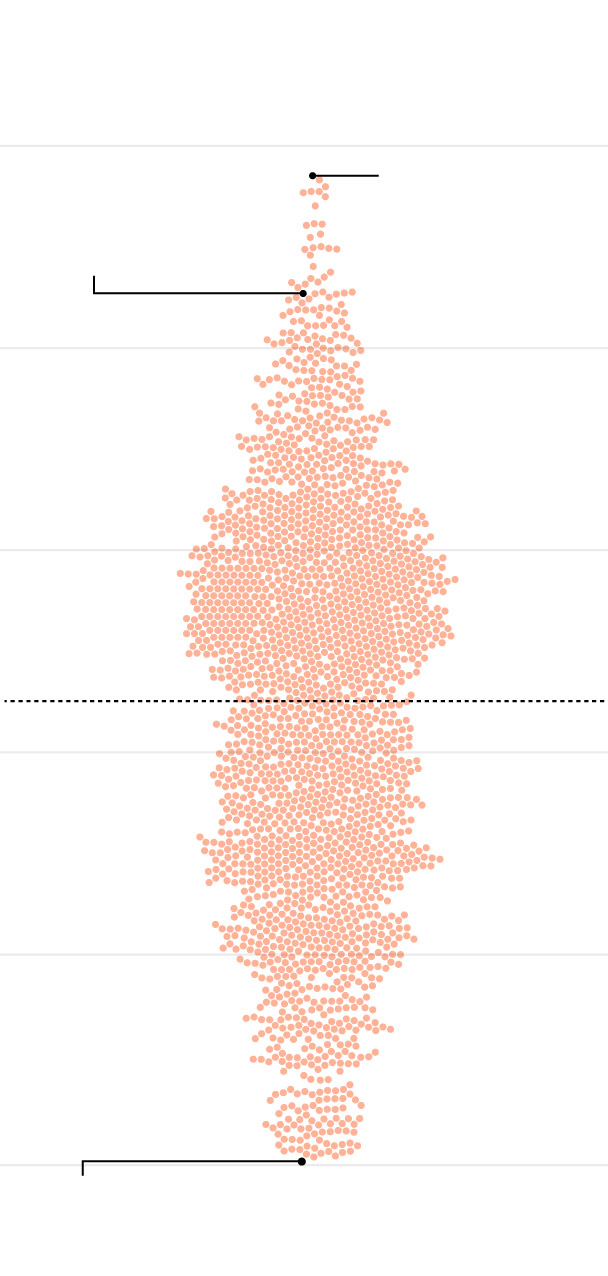
The count of inmates on death row almost doubled in the previous year, as per a recent report published by the authorities.
Although there is a nationwide suspension of executions, the survey indicates that the number of prisoners under a death sentence increased from 93 in 2024 to 150 in 2025.
This increase in capital sentencing occurred even as overall convictions decreased.
Nevertheless, the number of prisoners has kept increasing, with 60,740 individuals currently incarcerated.
A survey conducted by the Kenya National Bureau of Statistics, published on Wednesday, indicates that 136 men and 14 women are currently awaiting execution.
This occurs alongside a decreasing police workforce and a correctional system where four out of every ten prisoners have not been found guilty of any offense.
Kenya has not performed an execution since 1987, with each subsequent president opting to reduce death sentences to life in prison.
However, courts have still imposed the mandatory death sentence for murder and armed robbery.
The survey’s information indicates that the rate of such sentencing is increasing instead of decreasing.
Death row inmates are part of a larger detention crisis. The average daily prison population reached 60,740 in 2025, with 40.3 percent of those in custody being unconvicted detainees on remand.
The survey shows141,971 people were sent to prison before their trial, showing a small decrease compared to the previous year, yet the number of individuals held on remand increased, indicating that people are staying in jail for longer periods without a court’s decision on their guilt.
Article 49 of the constitution states that an individual who has been arrested must be presented before a court “as soon as is reasonably feasible,” whereas Article 50 ensures the right to a fair trial within a reasonable period. According to the survey’s findings, this commitment continues to be unfulfilled for tens of thousands.
The information highlights a growing challenge in the delivery of justice, with the constitutional right to a fair trial and the ban on cruel or degrading treatment facing mounting risks.
Worsening the situation, the prison service is experiencing a reduction, with the number of prison officers dropping by 1.8 percent to 29,998.
Even though the survey indicates a better officer-to-inmate ratio of 1:6, the overall reduction in staff leads to concerns regarding the standard of supervision.
At the same time, the count of probation officers decreased by ten percent, undermining the single system that could redirect minor offenders away from overfilled jails.
A related issue concerns the national police force, as the overall number of officers decreased by 2.3 percent to 101,650, resulting in a police-to-population ratio of 1:525.
This trend takes Kenya further from the United Nations’ suggested ratio of 1:450, indicating a system that is overburdened and possibly less effective in ensuring proper supervision.
The survey indicates that incidents involving police officers decreased by 12.2 percent to 216 reported cases, although human rights groups have consistently claimed that police misconduct, such as enforced disappearances and extrajudicial killings, is significantly underreported.
Although the government has slightly decreased the number of crimes reported to the police—from 88,416 in 2024 to 87,208 in 2025—the growing number of individuals on death row and in pre-trial detention indicates that the “back-end” of the legal system is struggling to match the efficiency of the “front-end” of policing.
Provided by SyndiGate Media Inc.Syndigate.info).






Leave a Reply