
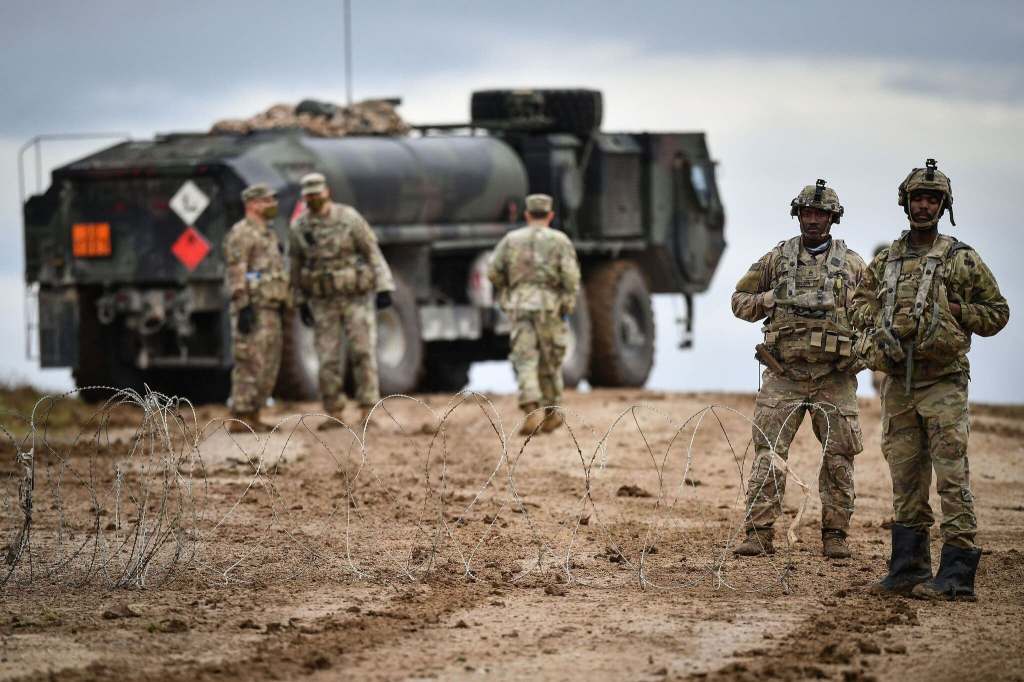
, May 2 — The Pentagon stated on Friday that the United States plans to withdraw approximately 5,000 troops from Germany over the next six to twelve months, fulfilling President Donald Trump’s previous statement. This move occurs as relations between Washington and Berlin become more strained, especially after German Chancellor Friedrich Merz criticized the U.S. stance on the conflict with Iran and referred to the nation as being “humiliated” by Iranian leaders.
As stated by Pentagon spokesperson Sean Parnell, the decision stems from an extensive evaluation of U.S. military presence in Europe, considering operational requirements and present circumstances. Germany is home to significant American military facilities, such as major command centers, Ramstein Air Base, and a military hospital in Landstuhl. Approximately 36,000 U.S. soldiers are currently based there, making this withdrawal about 14% of the overall number.
The proposal has drawn immediate backlash from Democratic legislators and defense specialists, who claim it may undermine American alliances and serve Russian interests. Senator Jack Reed cautioned that the move indicates uncertainty in U.S. commitments to its allies and called on the president to rethink the decision before inflicting long-term harm to national security. Experts also highlighted that the U.S. presence in Europe is essential for preventing Russian aggression and supporting operations in adjacent areas.
Trump didn’t respond to inquiries regarding the withdrawal as he left Florida on Friday. He has consistently criticized NATO members for not providing sufficient support to shared defense initiatives and has frequently proposed decreasing U.S. military presence in Germany. A comparable suggestion during his initial presidency was never carried out and was eventually abandoned by President Joe Biden.
European allies have been expecting possible cuts in troop levels since Trump came back into power, particularly as Washington has indicated that Europe might need to assume more responsibility for its own security. Military analysts state that worries now go beyond just the number of troops to the potential relocation of important defense systems, like missile defense, from Europe to the Middle East.



Leave a Reply