
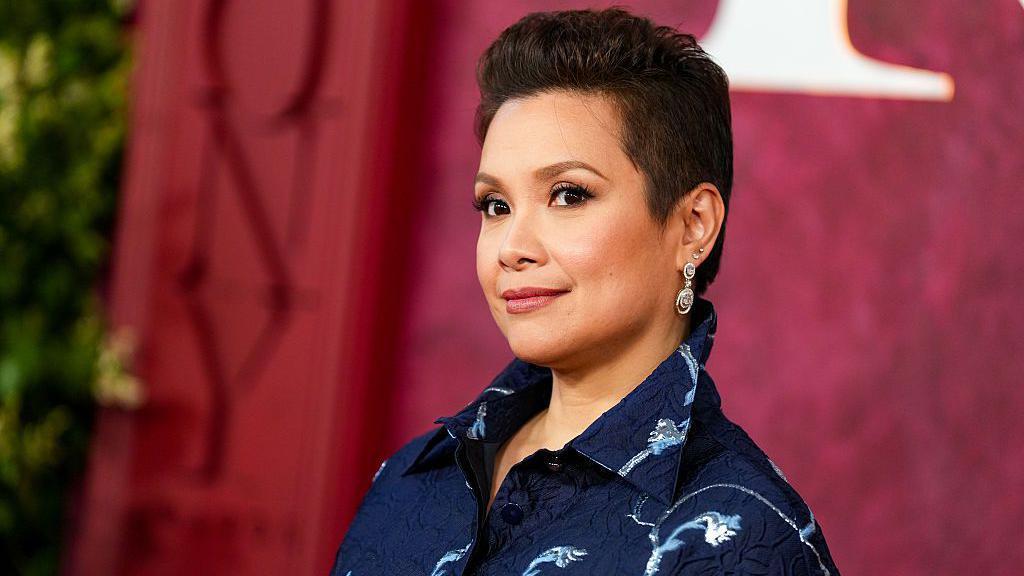
The year 1991 arrived, and Lea Salonga had already received a Tony Award for her portrayal of the main character in Miss Saigon – yet she was still having difficulty securing another part.
“My agent was submitting me for auditions, [but people were still] saying ‘No, we won’t consider her because she’s Asian. They couldn’t picture someone like me in [those] roles,” Salonga said to the .
But today, that situation seems impossible to imagine, in an era where groups like BTS and Blackpink are topping Billboard charts, shows such as Shogun and Squid Games are winning Emmys, and Asian-led musicals are achieving success on Broadway.
Salonga has since emerged as a global Broadway legend. She is celebrated as a national icon in her home country of the Philippines and is also remembered for providing the singing voices of two Disney princesses, Princess Jasmine from Aladdin and the main character from Mulan.
However, her initial challenges reveal that her journey to stardom was anything but simple. The role that brought her recognition—Eponine in Les Misérables—was only attainable because she bypassed the usual audition procedure.
“Since the producers of Miss Saigon also worked on Les Mis, I received an invitation to join… so I’m grateful that there were supporters in the office… people who said ‘we need to get her in,” Salonga said.
Still, Salonga, the first Asian actress to secure a leading role in the famous musical, mentions that her part was essentially an “experiment.”
“When I was chosen for the role, the show had already been on air for five years. They cast me in January, a period typically known for being slow. [Therefore], I believe the producers felt [there was] little risk,” she mentioned.
I believe I was the only person of color in the whole company back then… so [it felt like], is this a gimmick? Is this meant to make a statement? Let’s check if this will succeed. [And] if it does, the reward would be significant.
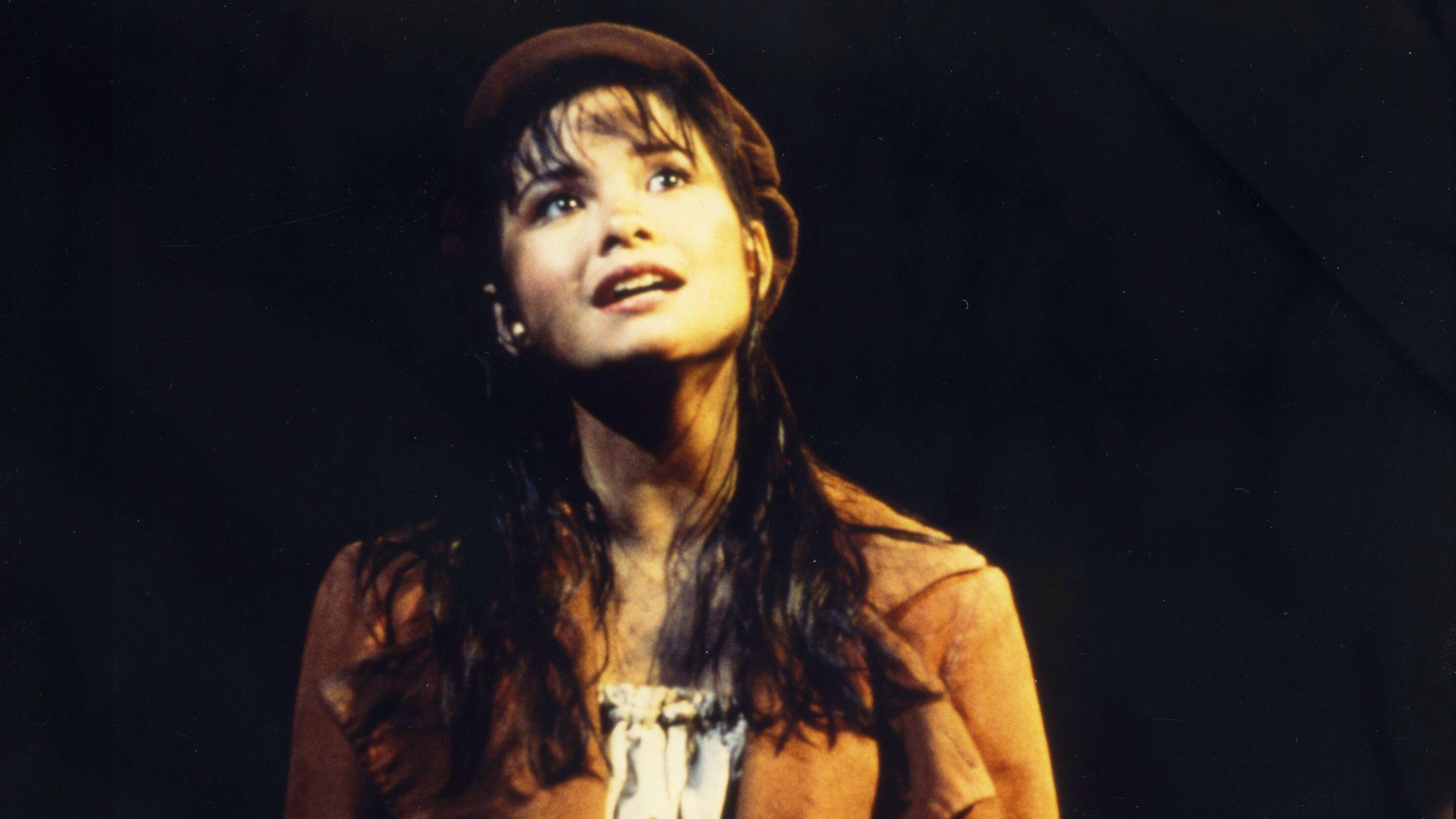
However, entering a position that had always been predominantly held by white individuals was, in her own words, “extremely stressful.”
I was more anxious about Les Mis than I ever was about Miss Saigon… with that, it was an Asian actor in an Asian role – there’s really no controversy there. But with Les Mis, it’s like, we’re going to cast this Asian girl in this show – and there has never been [an Asian] in this show.
However, the significance of what it symbolized was not overlooked by her.
It implied that anyone aspiring to Eponine could perform it. Since if I was capable of it—then [anyone else] could, irrespective of their ethnic background.
Over 30 years on, that reality is unfolding just beside her.
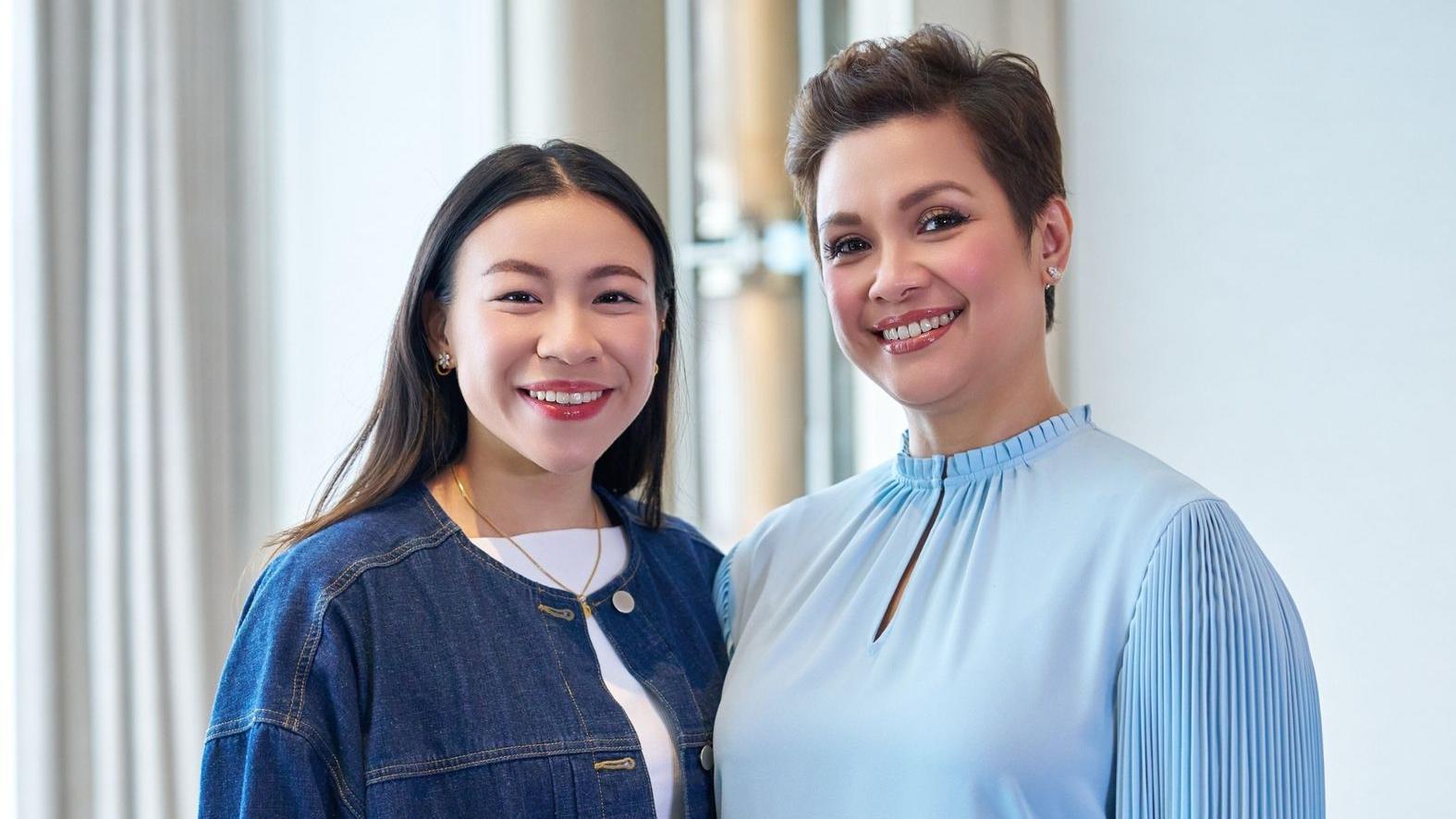
In the present Singapore tour of Les Misérables The Arena Spectacular, Salonga is performing with Nathania Ong, who portrays Eponine—the role that Salonga originally made accessible for other Asian actors.
I get to watch [Nathania] perform as Eponine… and as I sit in this dressing room preparing for the show, it makes me realize that [the experiment was successful]. And I’m very proud to have been part of it. Now it’s time for the next group of actors [to take the lead]… those with courage in their legs,” says Salonga.
Ong, 28, who also made history as the first Singaporean to portray the role on the West End, mentions that she grew up watching performers such as Salonga bring Eponine to life.
However, for Ong, the significance of securing the role was distinct – in fact, Ong mentions she “didn’t even realize how significant it was” to have landed the part.
“I believe it took a few months [before I was like]… I’ve made it. I’ve truly accomplished something,” she said.
Although she acknowledges Salonga as a “pioneer for individuals of color,” she notes that the struggle for genuine representation continues to be an “uphill battle” at times—emphasizing that the conflict has evolved from merely gaining entry into the room, to battling to be recognized solely for one’s abilities.
The challenge for East Asians seeking roles is often wondering: ‘Are we hired to fulfill a diversity target, or are we genuinely chosen for our skills?’ she says.
However, apart from acting, Salonga observes a more significant change taking place – Asian performers are no longer merely attempting to blend into Western narratives, but also creating their own.
She highlights the recent Broadway hit, the highly praised South Korean musical Maybe Happy Ending, which was co-written by a South Korean.
“Watching a performance like that… winning numerous awards… shows me that if something is truly exceptional and cannot be overlooked, it will eventually be recognized,” she says about the show, which earned South Korea its first Tony Award.
She mentions that she never thought a show such as this—one deeply rooted in Asian culture—would gain so much popularity, noting that when she was younger, there were fewer Asian role models in the industry for her to admire.
“I believe that for many young individuals, witnessing someone who resembles them on that stage is truly remarkable. I think there was a generation of Asians who aspired to do this but lacked the representation they could identify with,” she stated.
I’m very happy that I’m finally able to watch it, as now my son gets to experience it.
She also highlights achievements such as the K-pop group BTS — whom she is a “big fan of” — as examples for Asians to admire. For Salonga, witnessing their incredible global success also feels very familiar.
During her own period of rising fame, she remembers the intense attention that came with the honor of representing her native country on the world stage.
“When you go to the West End and you must perform exceptionally well, or else you’ll disappoint 75 million people [the population of the Philippines], that’s a huge burden to carry. The weight of responsibility is immense,” she states.
“That’s also why I really admire BTS, as it’s like, here you go, the entire weight of Asia is now on your back,” she says with a laugh, mentioning that she recently pushed back a vocal warm-up by 15 minutes just to watch a BTS concert livestream.
Salonga also mentions that the energy transcends the stage and reaches all forms of media. She highlights an upcoming DreamWorks animated film that is fully rooted in Philippine folklore, which she is currently involved in.
“An animated movie inspired by my culture… I never imagined I’d witness something like this in my lifetime,” she mentioned.
And would 18-year-old Lea Salonga be astonished to witness all of this?
“Extremely surprised, but I believe also motivated to learn… [that] there is a place for me,” she states.
You understand, you may try to push us to the edges – but we will simply focus on our own center.



 jasdooit
Leave a comment