
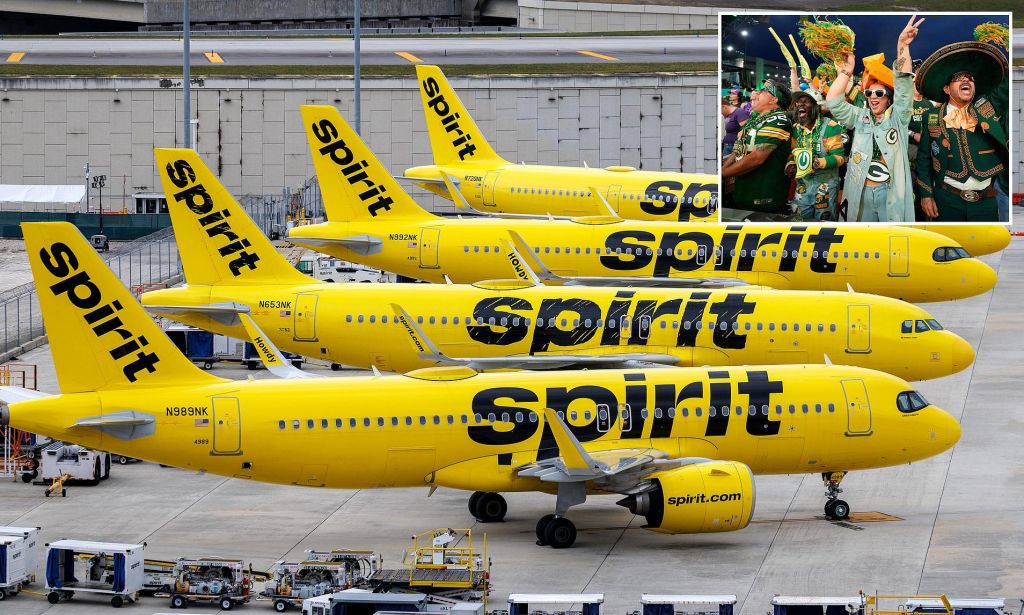
It began as a lighthearted idea: a voice artist using TikTok to launch a fundraising effort aimed at purchasing the recently collapsed Spirit Airlines. Just days later, the campaign has accumulated more than $88 million in donations.
Spirit Airlines went underwaterOn May 2, they announced that they were shutting down operations following years of financial struggles that became even more challenging due to increasing fuel costs caused by the conflict with Iran.
“Maintaining the business needed hundreds of millions of extra dollars in liquidity that Spirit lacks and cannot obtain. This is very disappointing and not the result anyone hoped for,” said Dave Davis, President and CEO of Spirit, in a statement.
With air travel suspended and customer support lines becoming unreachable, the trending presentation gained its own momentum.
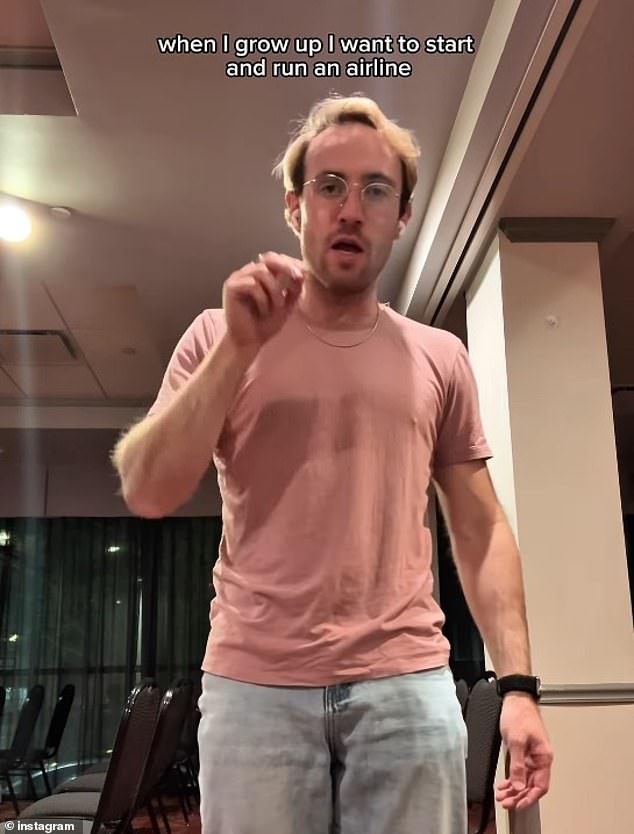
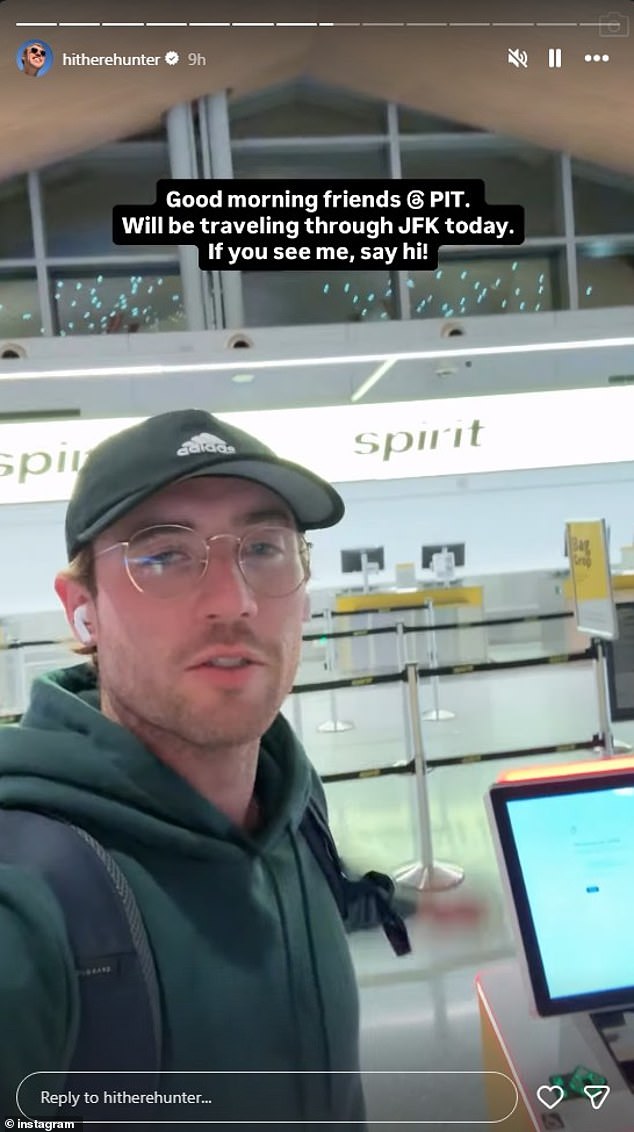
The original video—uploaded by voice actor Hunter Peterson—has received millions of views, presenting a humorous proposal: “We nationalize Spirit Airlines. Owned by the public. We create a new airline.”
Peterson quickly started letsbuyspiritair.com, presenting it as a community-driven initiative to take back Spirit Airlines before private equity firms could acquire it – inspired by the Green Bay Packers, which are owned by hundreds of thousands of supporters through an unusual public ownership model instead of being controlled by one individual.
The commitment enables enthusiastic investors to contribute a stake towards the anticipated ownership of Spirit Airlines, emphasizing interest rather than a voluntary promise.
Currently, a large number of donors have visited the website, causing it to crash, accompanied by a message that reads: “We are currently upgrading our infrastructure and will return with full pledge features within 24-48 hours.”
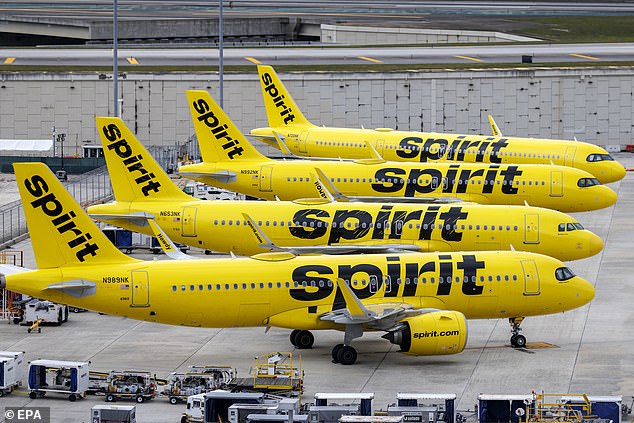
Before the crash, the website had collected $88 million in donations, with an average contribution of $667. The lowest donation was $45, based on the typical cost of a one-way Spirit Airlines ticket.
Approximately 124,755 people showed interest in the buyback program.
The following day after the website launched, Peterson shared another update, stating that he was “genuinely crashing out” upon realizing his site had collected $2,314,752 from 4,817 initial supporters, with an average contribution of $481.
Besides the website, Peterson launched an Instagram page called Spirit Airlines 2.0, which has grown to 187,000 followers.
This isn’t the first instance where Peterson has mentioned the airline on his social media platforms. In 2025, he shared a YouTube video where he undertook a challenge involving flying with Spirit for 24 consecutive hours to gain insight into the low-cost carrier and its operations in its most crowded airports.
The video received 94,000 views, and Peterson disclosed that the overall expense for seven trips was just $675.
Following his successful campaign, many users rushed to the video to praise him as the next CEO, with one commenting: ‘So we’re purchasing an airline?’
Although the campaign has received significant backing, specialists inform the Daily Mail that it is unlikely to succeed.

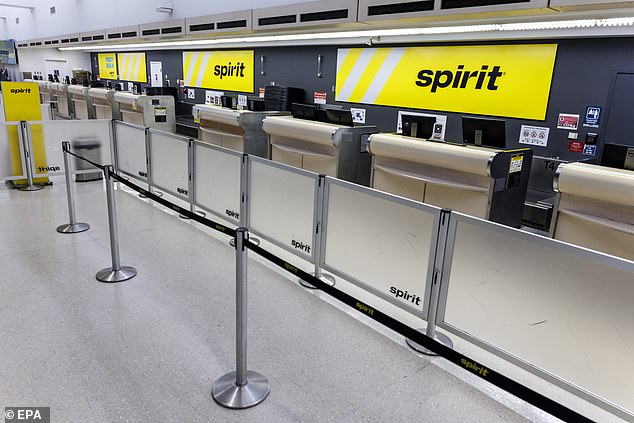
Retail expert Carol Spieckerman described the campaign as “viral performance art,” pointing out that the numbers are nowhere near sufficient to enable a genuine purchase.
They have gathered approximately $23-26 million in non-binding commitments compared to an estimated acquisition price of $1.7 billion.
“That constitutes 1.5 percent of their required amount. Even if the commitments were enforceable — which they are not — and even if all commitments were turned into actual funds, which they won’t be, this isn’t a feasible route to ownership,” Spieckerman stated.
Spirit made a last-ditch effort in their final moments to reach an agreement with the Trump administration, but the $500 million rescue they were counting on did not materialize.
She also pointed out that the Green Bay Packers comparison ‘breaks down right away’ because its community-owned structure is exempt under NFL regulations that ‘clearly forbid it for any other team’.
Since Spirit Airlines has entered formal liquidation, its assets are scheduled to bemanaged by a court in bankruptcy proceedingsto settle debts – making it harder for external parties to take over the airline.
Nevertheless, the figures mentioned, if accurate, Spieckerman observed, are still far below what would probably be required.
This year, a group of investors from Louisiana, known as NewP3, introduced a $1 billion plan to restructure Spirit’s finances, but this initiative did not come to fruition.
In addition to financial support, significant regulatory challenges remain, as federal certification can take years and cost tens of millions of dollars before any operations can commence.
The current certification of Spirit cannot be transferred automatically without obtaining regulatory approval and the agreement of creditors.
Nevertheless, Spieckerman pointed out that the campaign connected with a genuine sentiment: dissatisfaction. Particularly concerning private equity ‘liquidating assets, outrage over consolidation within the airline sector, and a longing for community-based ownership’.
“That’s something deserving of notice, even if this particular initiative doesn’t lead anywhere,” Spieckerman remarked.

 jasdooit
Leave a comment