
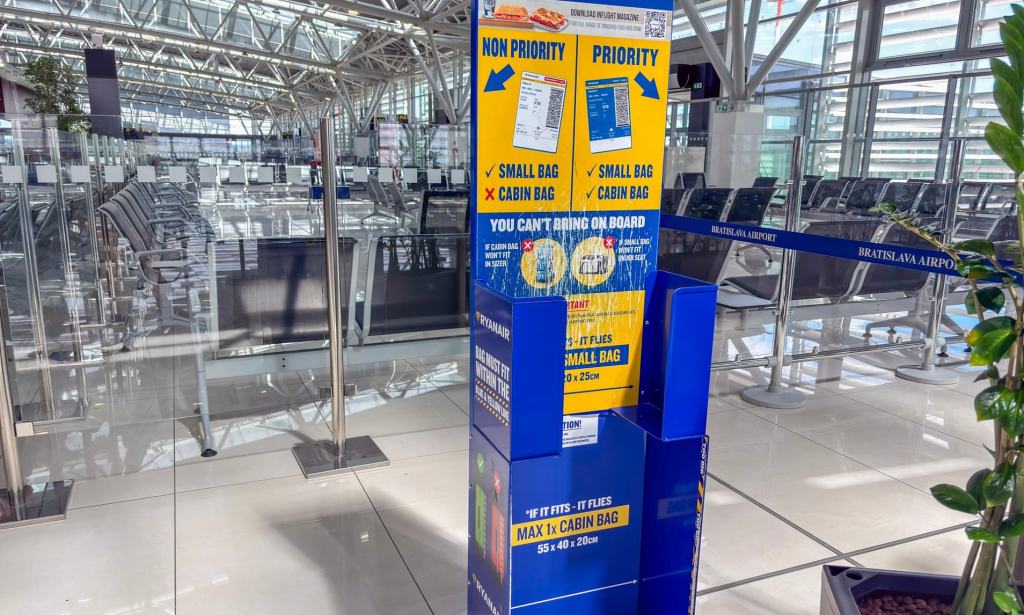
Airline companies are generating unprecedented income by imposing higher charges on passengers for large luggage – and these costs are anticipated to rise further.
Low-cost airlines such as Ryanair and easyJet, as well as long-haul carriers likeBritish Airways, strictly implement carry-on regulations, with fees typically beginning approximately £5 for a bigger itemcabin bagor up to £70 if required to inspect them at the checkpoint.
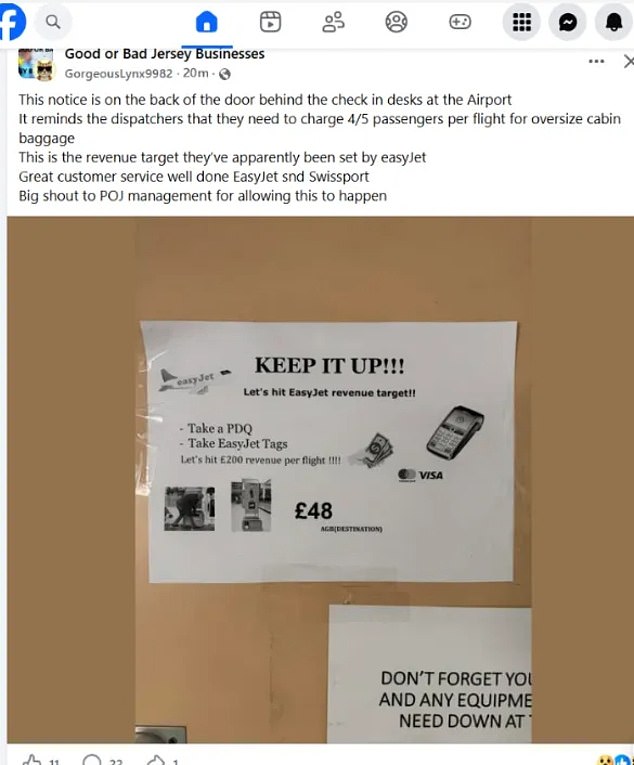
Jersey Airport recently encountered criticism when it was disclosed that check-in employees were urged to achieve flight-related goals by charging higher fees for large luggage.
A contentious sign observed in the airport urged staff to “hit EasyJet revenue target” of £200 per flight – by charging passengers £48 fees for bags that did not comply with the airline’s standards, as reported inthe Jersey Post.
Although Ports of Jersey stated that the sign “used messaging that did not align with the customer experience,” easyJet has denied all responsibility and insisted on its removal.
Nevertheless, these accusations are not new – regular travelers are well aware of the anxiety caused by baggage scanners, worried about charges that can surpass the price of the ticket.
These fines have further increased the wealth of airlines worldwide – generating a total of $33 billion (£24.3bn) from extra baggage charges alone in 2023, according toIdeaWorks.
According to specialists, travelers might face higher expenses in the future if airlines keep rewarding employees and generating more revenue through charges – particularly with theA shortage of jet fuel is severely affecting airlines and threatening holiday plans..

Alen Baibekov, the chief executive of Economy Bookings, states: ‘Substantial rises in baggage fees are expected to persist in the future. Several elements are exerting downward influence on airline profits, such as rising fuel expenses, elevated aircraft maintenance costs, growing airport expenditures, and intensified pricing rivalry between airlines.’
Since most travelers mainly evaluate the price of air travel by the “headline” ticket cost (that is, the displayed price) instead of considering all the extra charges that come with the ticket, several airlines have begun to impose extra fees for the actual expenses of the journey, such as baggage.
Airlines can easily impose charges for additional baggage. Extra luggage leads to real expenses for airlines. It occupies more space and can result in delays during unloading, check-in, and boarding processes. Moreover, handling excess baggage might require additional labor hours. Low-cost airlines are especially strict with extra baggage fees since this is increasingly becoming a common practice in their business approach.
But which airlines are most responsible for charging passengers additional fees for large luggage? We expose the actual revenue airlines generate from travelers’ bags – and how much you can expect to pay if you’re caught.
Ryanair
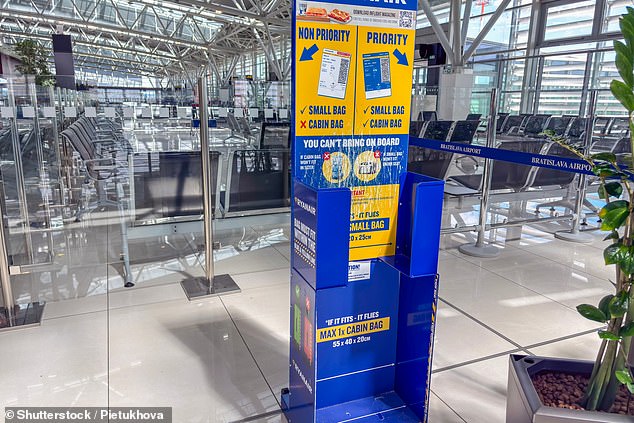
Known for having one of the strictest baggage rules in the sector, Ryanair often imposes significant charges on travelers at the check-in counter for carry-on bags that exceed the size limits.
The low-cost Irish airline permits one small personal item, with dimensions of 40 x 20 x 25cm, to be carried onboard at no additional cost, while charges apply for luggage that goes beyond these specifications or isn’t reserved ahead of time.
At present, Ryanair imposes a fee of £12 for each kilogram that exceeds the allowed weight limit, along with a fixed charge ranging from £40 to £60 for larger bags that weigh 20kg when checked in at the airport.
However, it came to light last year that theAn airline is offering staff incentives to identify passengers attempting to bring large carry-on bags.on flights – and they can earn up to €80 per month simply by enforcing the strict regulations.
A leaked pay stub reveals that a former worker received a “gate bag bonus” of approximately €1.50 (£1.30) for each large bag they documented, although the monthly reward was said to have a limit.
It was additionally reported in August that the airline executive, Michael O’Leary,intended to raise these incentivesbetween €1.50 (£1.29) and €2.50 (£2.16) per bag, beginning in November 2025.
Ryanair, which generated an impressive €13 billion in revenue during the previous year, announced in July 2025 that employees receive financial incentives for identifying luggage that violates regulations – resulting in passengers being billed as much as €75 per oversized item detected at the boarding area.
In its 2025 annual report, it was disclosed that Ryanair generated a total of €4.72 billion (£4.07 billion) in additional revenue, which comprises income from baggage charges, seat reservations, and check-in fees.
easyJet
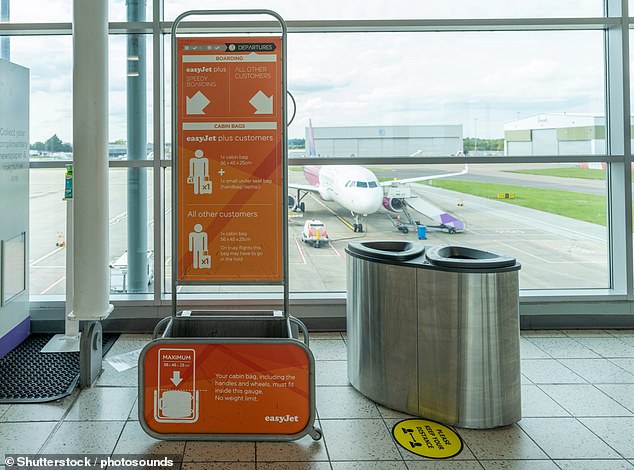
EasyJet, which also enforces strict baggage charges, lets travelers carry a complimentary item with dimensions of 45 x 36 x 20cm and a maximum weight of 15kg.
Standard carry-on bags, on the other hand, are restricted to 23kg, whereas bags weighing 32kg can be checked in with an additional fee.
However, individuals arriving at the gate with large or heavy bags will need to pay an additional £12 per kilogram, or a fixed charge of £48 to have the bag stored in the cargo hold.
In July, it was also disclosed thatAirport personnel at seven airports throughout the UK and Channel Islands were being provided with financial rewards.for each large bag they spot among easyJet travelers.
According to a leaked email, Swissport employees were observed taking £1.20 for each oversized bag detected at Belfast, Birmingham, Glasgow, Jersey, Liverpool, and Newcastle airports.
The plan, which is said to still be in operation, seeks to ‘reward agents who act properly’ by providing direct payments to staff, as mentioned in an internal communication signed by Dean Martin, a Swissport station manager at Glasgow Airport, which was reviewed by the Sunday Times.
Nevertheless, in the most recent dispute involving Jersey Airport, a sign noticed by a traveler suggested that staff should charge baggage fees to ‘meet EasyJet’s revenue goal’ of £200 per flight, but the airline has denied any connection to this.
An easyJet representative stated to the Daily Mail: ‘This is not an easyJet advertisement, and easyJet does not establish baggage fee goals. As soon as we learned about this sign at Jersey airport, we directed the ground handler at the airport to take it down.’
By 2024, the airline achieved a new high in ancillary income, with extra services such as baggage fees totaling around £3.3 billion.
British Airways
Travelers with British Airways are eligible for a spacious complimentary baggage allowance, which includes one cabin bag measuring 40 x 30 x 15 cm and weighing up to 23kg.
Individuals who go beyond these limits must pay a fixed charge of £65 for each bag that is over the weight limit, and bags exceeding 32kg, which is the maximum allowed, will not be accepted as checked luggage.
Even though the airline has not disclosed the exact amount earned from overweight baggage, these charges contribute to the airline’s overall revenue of £28.9 billion in 2025.
Vueling
Vueling travelers are allowed to carry an underseat bag measuring 40 x 30 x 20cm at no extra cost, whereas a 10kg overhead cabin bag with dimensions of 55 x 40 x 20 cm is included in the more expensive ticket options.
Furthermore, travelers can check-in bags that weigh 15, 20, 25, or 30 kg, with varying fees for each bag based on its weight.
If hand luggage goes beyond the size restrictions or weighs more than 10kg, it needs to be checked in. This may result in a charge ranging from €110 to €140 (£95 to £121).
If the complimentary under-seat bag exceeds the size limit, it must also be checked in, with travelers needing to pay an additional charge of €60–€75 (£52-£65).
The airline, a Spanish budget carrier part of the IAG group, depends significantly on these fees, with data indicating more than one billion euros earned from additional services in 2024, which covers charges for large luggage.
Virgin Atlantic
On board Virgin Atlantic flights, travelers are allowed to carry one free piece of hand baggage with dimensions of 23 x 36 x 56 cm, while the maximum weight limit varies depending on the ticket class purchased.
Passengers who have reserved a seat in economy or premium economy are eligible for one checked bag with a weight limit of 23kg, whereas travelers in Upper Class can carry checked bags weighing up to 32kg each.
If a checked bag is determined to weigh between 23kg and 32kg, travelers in economy and premium economy classes are required to pay a fixed charge of £65.
In the meantime, bags that go beyond the permitted size limits will result in a fee of £200. If bags are discovered to be both too large and too heavy, both charges could be imposed.
Although the airline has not revealed the exact amount earned from large or heavy baggage, it generated a total of £3.3bn in 2024.
Wizz Air
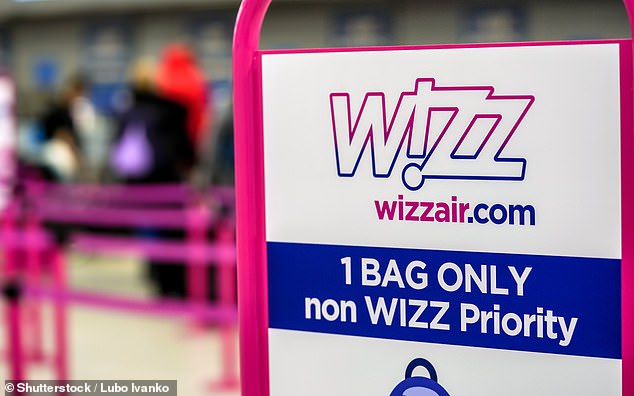
Wizz Air, recognized for its extremely low prices, lets travelers bring a complimentary cabin bag that is 40 x 30 x 20 cm in size, provided it can fit beneath the seat.
Travelers who buy WIZZ Priority are allowed to carry an extra bag measuring 55 x 40 x 23cm, which can be placed in the overhead bin.
Passengers can buy up to six checked bags in weights of 10 kg, 20 kg, 26 kg, or 32 kg, with charges depending on the time of year, although during peak season, the cost for a checked bag may reach as high as €120.50 (£104).
Individuals discovered carrying bags that go beyond these limits must pay an extra €13 (£11) for each kilogram.
Bags that are considered too heavy or large at the boarding area will result in a fee of €65 (£56).
In a 2024 research carried out byWhich?It discovered that Wizz Air flights cost four times more than they seem when including cabin bags and seat selection, increasing from £29 to £124.
By 2025, the airline earned a total of €2.35 billion (£2.028) in additional revenue, covering charges for large suitcases.
Aer Lingus
An Irish budget airline, Air Lingus, offers a structured pricing model for economy travelers, featuring the most affordable option as Saver and the premium choice as Flex.
Discount fares typically involve additional charges, but travelers are allowed to carry a free bag on board with size restrictions of 55 x 40 x 24 cm and a maximum weight of 10kg.
Checked baggage fees vary between approximately £21 and £51 for 20 to 25kg, while additional weight for all bags is billed at roughly £8.60 per kilogram, with overweight checked bags resulting in a fixed charge of up to £64.
Revenue details from oversized baggage are not publicly disclosed by the airline, however, total additional income—covering charges for seat reservations, food, and luggage—reached €2.82 million (£2.43 million) in 2025.
What actions can travelers take if they are charged incorrectly?
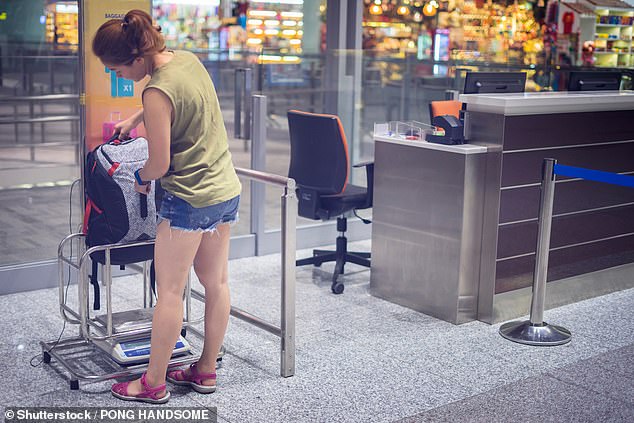
As an increasing number of airline employees receive incentives for identifying travelers with large bags, Which? has stated that airlines are now imposing penalties more often on luggage that meets the airline’s size requirements.
If this occurs to you, the consumer advocate suggests that the initial step is to file a complaint.
It is also beneficial to capture images of the bag within the sizer from all possible perspectives, which indicates the boarding time.
Every airline provides an online complaint form on their official website, making it advisable to document the issue promptly.
Most airlines will ask you to present your reservation information, proof of the extra charge you incurred, and proof of the bag you carried – which is where the image of it in the sizer becomes useful. Capturing pictures of it using a tape measure can also be beneficial.
If you believe your complaint hasn’t been resolved appropriately, you may reach out to the Alternative Dispute Resolution service AviationADR.
Although there have been earlier worries regarding AviationADR, the service it offers is free of charge, and it is licensed by the Civil Aviation Authority to manage grievances.



 jasdooit
Leave a comment