

Previously, tech entrepreneurs referred to Colorado as “silicon mountain” because of its relaxed legal environment, but initiatives aimed at controlling artificial intelligence are damaging the state’s image as a business-friendly location.
At its peak in the 2010s, Colorado was launching a new startup every 72 hours, attracting a surge offounders and venture capitalkeen to get away from the expenses and limitations of coastal technology centers.
Currently, a significant state AI legislation has emerged as a point of contention, with technology executives cautioning that the state is evolving into the California they once left.
Elon Musk’s xAI has taken legal action against Colorado regarding the regulation, while the U.S. Department of Justice has stated the law is unconstitutional and may impede the country’s overall technological advancement.
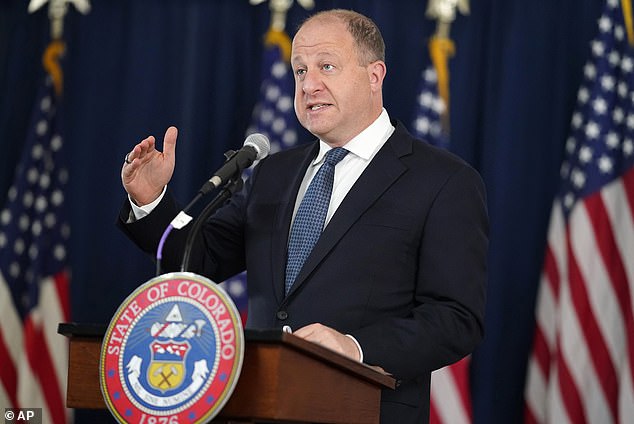
The Trump administration arguesArtificial intelligence regulation must be managed on a national scale, rather than by individual states – and Democratic Colorado Governor Jared Polis supports this view.
” I typically back the White House’s approach to anticipate state laws regarding AI,” stated Polis.
However, in 2024, Polis enacted a set of new AI regulations, adding at the time that he hoped a modified, less restrictive version of the law would eventually act as a blueprint for a wider national structure.
The initial legislation would have compelled businesses to address dangers that AI systems might poseshow bias towards specific groups of individualswhen it assisted in making critical choices within areas like employment or healthcare.

Currently, there is increasing pressure on legislators in Denver to enact a bill that would modify and update the original 2024 law.
“We can draft a bill within three days if we don’t waste time,” said Rep. Brianna Titone, one of the initial supporters of the legislation, to the Wall Street Journal.
A group of over 300 business executives claims that strict regulations, including the AI law, are hindering economic development.
Some companies have already begun to exit the state, according toa study released by the Colorado Chamber of Commercelast month that reported a decrease in publicly listed companies based in the state.
The study projected that approximately 98 businesses have either moved out of Colorado or decided against relocating to the state since 2019.
This led to the loss of 13,000 jobs and 34 public company headquarters since 2022, as most companies relocated to states with fewer regulations and lower tax rates, including Texas and North Carolina.
In a conversation with the Wall Street Journal, Polis disagreed with the report’s findings, stating that “many more” businesses are relocating to Colorado compared to those departing the state.
He also pointed out that the state is home to 21 ‘unicorns’ — companies valued at over $1 billion — and argued that this demonstrates the strength of its technology sector.
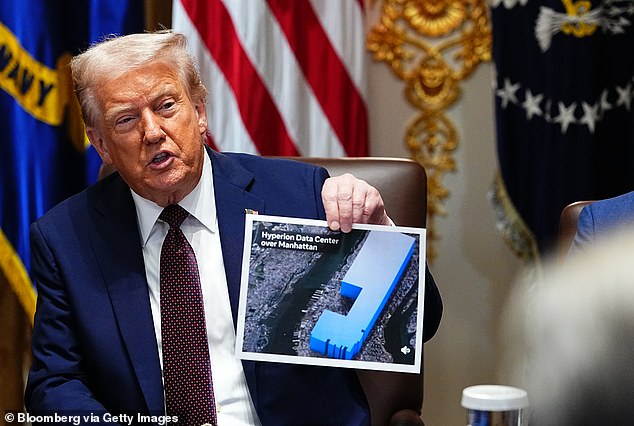

The legal battle involving xAI and opposition from the Trump administration is starting to undermine Colorado’s aspiration to maintain its status as a key technology center while upholding progressive policies.
Even more concerning, economic figures indicate that the state’s economy is expected to shed additional nonfarm jobs this year compared to the number it added last year – and the real estate market is experiencing a swift decline.
As per the Chamber of Commerce report, Colorado ranks as the sixth most regulated state in the country.
65% of companies employing fewer than 100 people list regulations as one of their top three concerns, with many pointing to state-level laws as the main source of difficulty.
The primary issue for small businesses is labor and employment rules, with 85 percent highlighting it as their main worry, followed by environmental regulations at 59 percent.
Ninety-six percent of small businesses favor examining current regulations, while 82 percent think there should be a limit on new ones.




 jasdooit
Leave a comment