
- Receive your news directly by 7am – subscribe to our new Morning Mail newsletter at no cost.
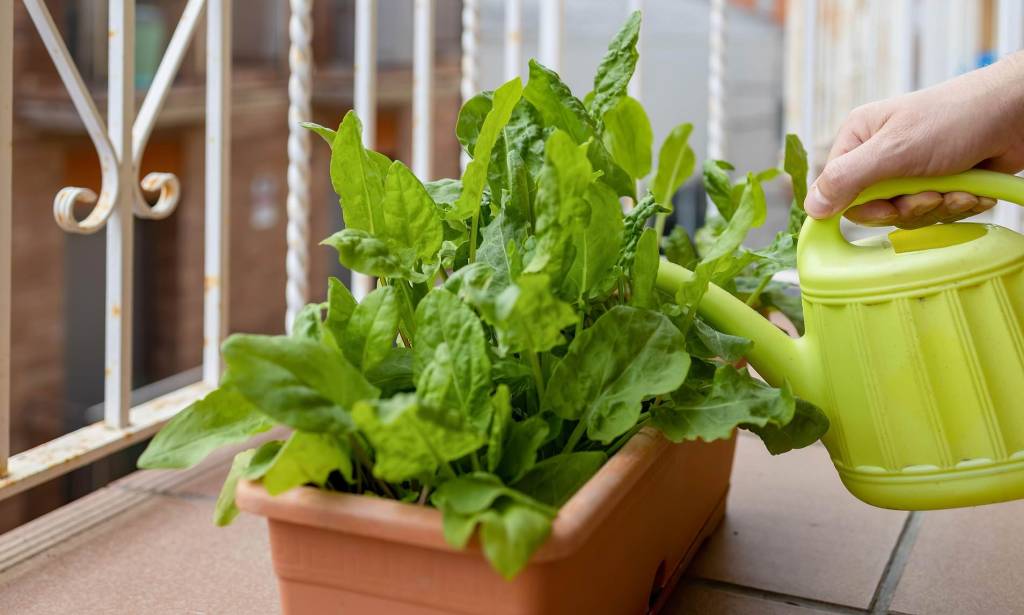
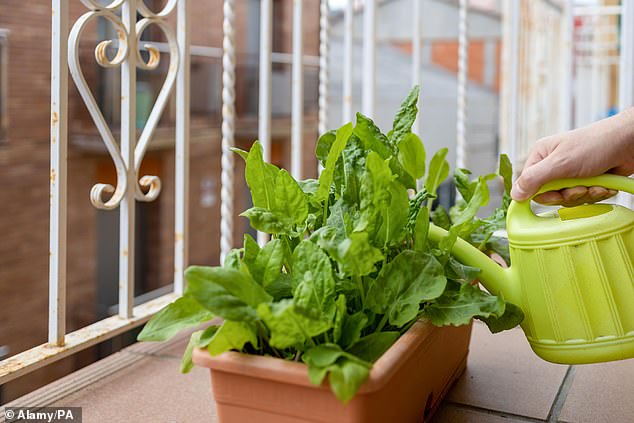
Converting your balcony into a small garden may enhance your well-being, according to a study.
Balconies covered in plants, potted vegetation, and climbing greenery resulted in notably lower amounts of damaging air pollution from vehicles, dust, and manufacturing activities.
Microscopic pollutants, referred to as PM10, can be breathed into the lungs and have been associated with asthma, lung conditions, and cardiovascular issues.
However, when scientists tested the PM10 levels on balconies covered in plants and flowers, the readings were lower 98% of the time in comparison to balconies that were empty or had just a few potted plants.
The scientists, affiliated with the University of Manchester, stated that pollution levels surpassedWorld Health Organisation16 percent of the time on empty balconies and only 2 percent of the time when vegetation was permitted to grow.
Concentrations of additional pollutants, such as nitrogen dioxide and ozone, were marginally reduced for half the time on the green balconies.
Other advantages of a green space located in the center of towns and cities involve providing shade and lower outdoor temperatures during the summer, as well as improving mental well-being for all nearby residents.
Dr. Andy Speak, the researcher behind the study featured in the journal Urban Forestry & Urban Greening, expressed that he is ‘optimistic’ that more individuals will come to appreciate the advantages of greening their outdoor areas.
“Balconies provide valuable chances for city dwellers to engage with nature, along with numerous advantages for health and mental wellness,” said Dr. Speak.
Signs point to the fact that green balconies are linked to reduced levels of pollutants and more temperate summer conditions.
Community advantage holds significant importance. For example, the psychological benefits of observing green balconies can be appreciated by tourists visiting a very green area, or by residents living nearby who do not have a balcony.
The research is the initial effort to determine the amount of space balconies in city environments occupy, with scientists approximating it to be as large as Hyde Park in London.
However, they discovered that 95.5 percent of the balconies had no visible plants. Most had only “one or two” potted plants, and just 25 percent of the greened balcony space was covered with vegetation. These areas featured 152 distinct plant species, ranging from petunias, begonias, and nasturtiums to tomatoes, strawberries, and clematis.



 jasdooit
Leave a comment