
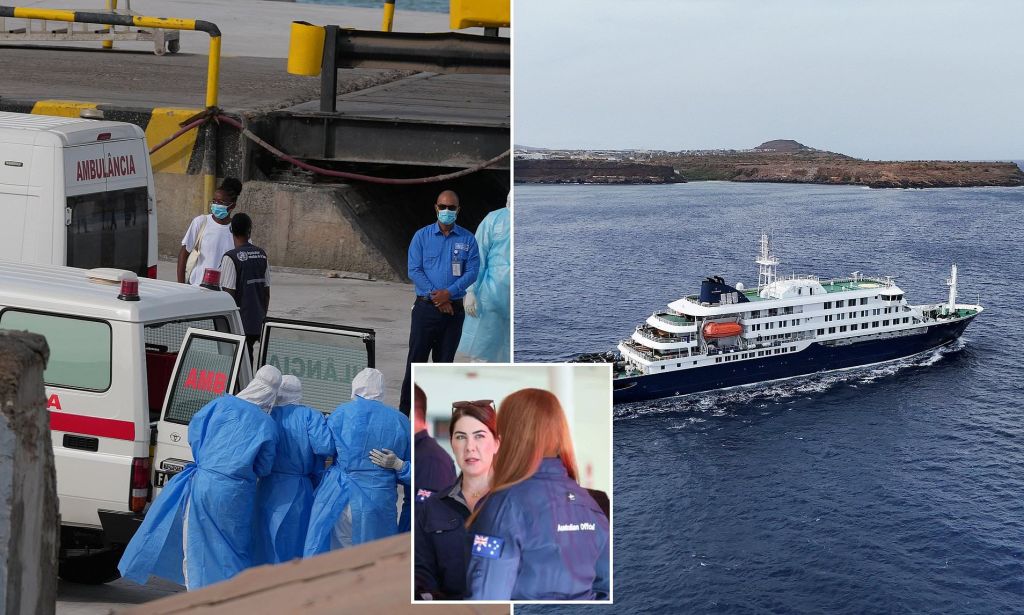
- Australian authorities are en route to Tenerife.
- Travelers unable to return on scheduled airline journeys
- Deliver to the dock in a few hours
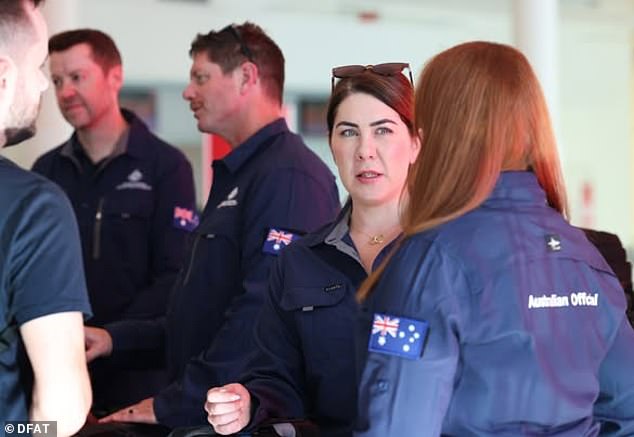
Australian authorities are traveling to the island of Tenerife to assist in bringing back four citizens and one long-term resident who are on the MV Hondius, which is affected by hantavirus.
The cruise vessel involved in the outbreak is scheduled to arrive at the Spanish-administered island on Sunday morning local time (2:30pm AEST), where officials will be present.
Upon their arrival, passengers will be transported to an industrial port in “sealed, secure vehicles” and escorted through a “fully restricted passage” before being sent directly back to their respective countries, stated WHO Director-General Tedros Adhanom Ghebreyesus.
Travelers cannot remain on the island or board commercial flights back, which implies that nations are anticipated to assist their nationals in returning.
It arrives just a few days after theWorld Health OrganisationThe World Health Organization (WHO) verified that a lethal outbreak of hantavirus occurred on the vessel, leading to at least three fatalities and several severe cases.
Although it is known that none of the Australian travelers have shown any signs of the virus, officials from the Department of Foreign Affairs and Trade have gone to the island to assess plans for bringing them back.
“DFAT consular staff are heading to Tenerife to offer diplomatic support to them and work with local officials and allied nations to manage the situation,” a DFAT representative stated.
We are evaluating choices for the secure return of the four Australians and permanent resident. Our main concern is the safety of the public.
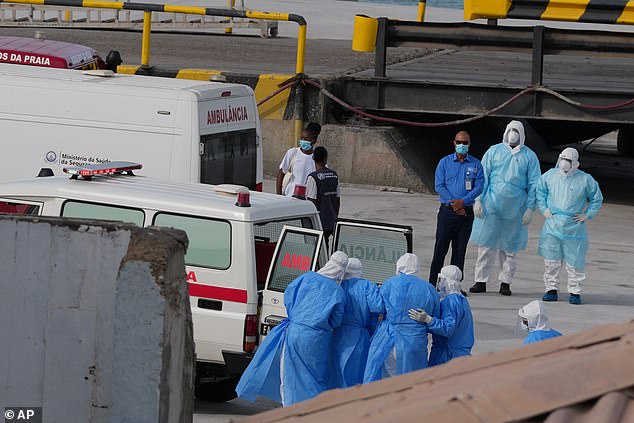
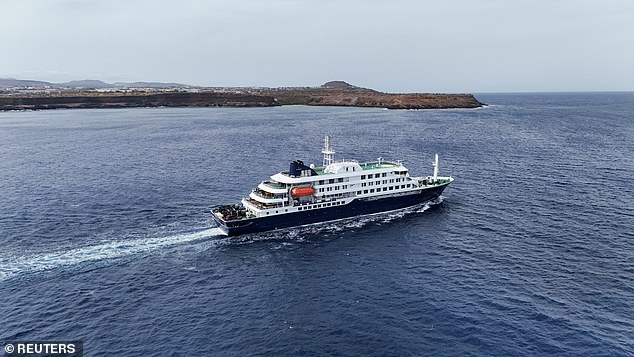
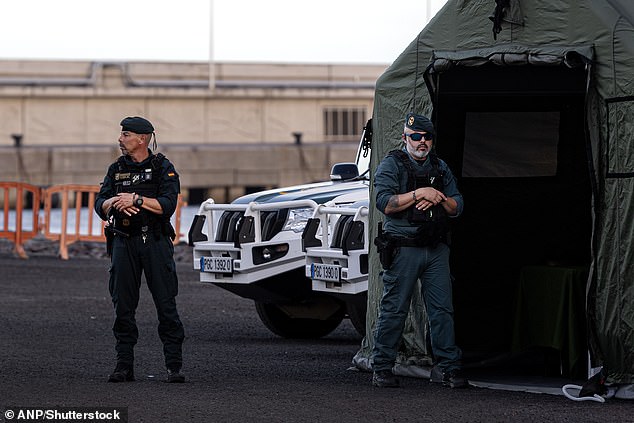
Nevertheless, mere hours before the ship is scheduled to arrive, the mission was disrupted when it became known that some of the nations’ aircraft would not reach on time.
President of the Canary Islands, Fernando Batlle, stated that the aircraft were provided with a particular time frame to arrive and pick up their passengers, because of the rigorous health measures.
He also specifically mentioned Australia and the Netherlands during the spontaneous press briefing on Sunday morning, noting that the delayed flights would prolong the operation and endanger Tenerife’s residents.
President Batlle informed reporters that he had been assured by the WHO and the Spanish government that the passenger transfer would be finished within a day or two; however, he has not received any evidence of this.
He has revoked the vessel’s permission to berth at the Port of Granadilla.
As the vessel nears the shoreline, it’s conceivable that the Spanish authorities might be able to reverse the decision and issue an additional statement.
The Daily Mail has reached out to DFAT for the latest information.
The cruise company Oceanwide Expeditions mentioned that travelers will be taken off the vessel through either the Zodiac boats or smaller launch vessels, carrying up to five guests per Zodiac or ten passengers per launch boat.

“The order of passengers leaving the vessel will be managed in conjunction with incoming repatriation flights,” a representative from Oceanwide Expeditions stated.
All guests’ luggage will stay on the MV Hondius. Oceanwide Expeditions is in communication with every guest about the procedure for safely returning all their belongings.
Once the guests and select crew have left, the MV Hondius will refuel and collect essential supplies in Santa Cruz, Tenerife. After that, the ship will travel to the port of Rotterdam, Netherlands, with the remaining crew on board.
Hantavirus, which spreads to humans via infected wild rodents like mice or rats, can lead to severe and potentially fatal disease.
It typically spreads when individuals breathe in contaminated particles from rodent feces and does not spread easily from person to person.
Nevertheless, the Andes virus identified during the cruise ship outbreak might be capable of transmitting between individuals in exceptional instances. Symptoms, such as fever, headache, stomach pain, and diarrhea, typically appear between one and eight weeks following exposure.
There is no cure.



 jasdooit
Leave a comment