
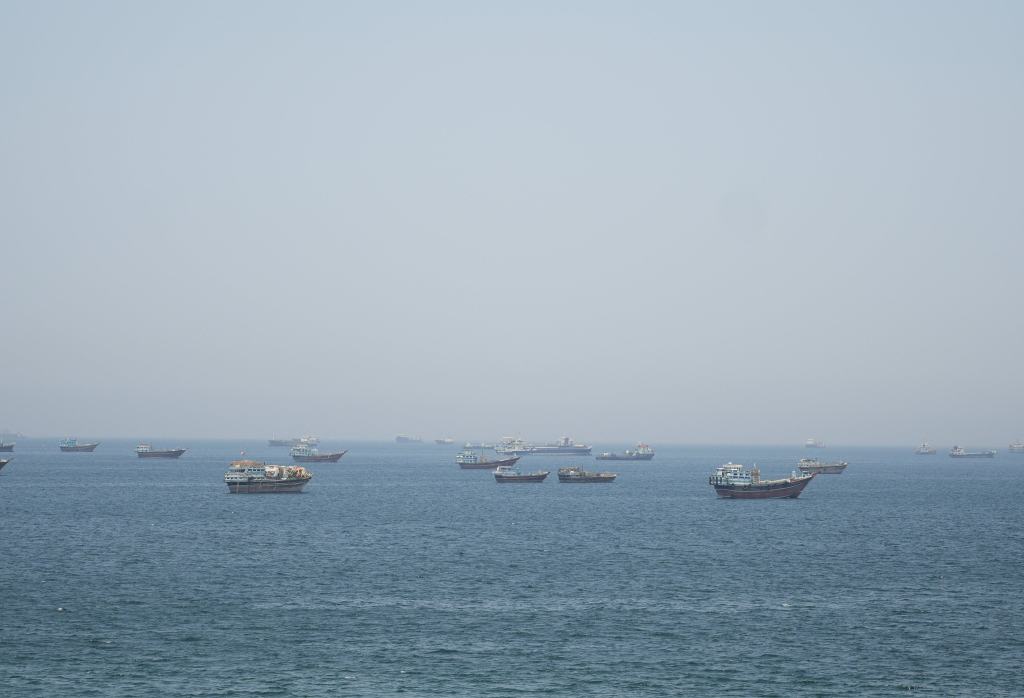
After the conflict in the Middle East, the rate of energy price inflation among member countries of the Organization for Economic Cooperation and Development (OECD) in March hit 8.1%, which is the highest in 3 years and 1 month. South Korea’s energy price inflation rate was 5.2% because of measures like the oil price ceiling and reductions in fuel taxes, keeping it under the OECD average. Nevertheless, experts caution that it is challenging to stay relaxed given ongoing worries about increasing oil prices.
As per a new OECD report released on the 10th, the consumer price inflation rate among all OECD member nations in March of the previous year was noted at 4.0%. It decreased from 4.1% in September of the prior year, staying around the mid-3% level with 3.3% in January and 3.4% in February of this year, then increased by 0.6 percentage points in March.
The report highlighted that increasing energy costs, caused by the conflict in the Middle East which began at the end of February, is the main factor behind the trend. It mentioned that there has been a renewed upward push on energy-related prices after almost three years. The year-over-year rise in OECD energy prices in March reached 8.1%, the highest since February 2023 (11.9%). Energy prices among OECD member nations had decreased this year, with a -0.4% drop in January and -0.5% in February, before experiencing a sharp increase following the start of the Middle East conflict.
The report stated, “Of the 35 member countries with monthly energy price data, 32 experienced higher inflation rates than the previous month, with seven nations reporting double-digit rises.”
South Korea’s energy price inflation rate in March stood at 5.2%, which was lower compared to major economies including the United States (12.5%), Germany (7.6%), and France (7.1%). This can be credited to policy measures such as the oil price cap and reductions in fuel taxes. Nonetheless, worries remain that if global prices surge substantially, South Korea might experience increased pressure because of the highly integrated value chains across countries.


 jasdooit
Leave a comment