
*By Tim Pit Hok-yau*
Last month, the Ombudsman’s Office published its highly anticipated report on the Hong Kong government’s efforts to address animal abuse.
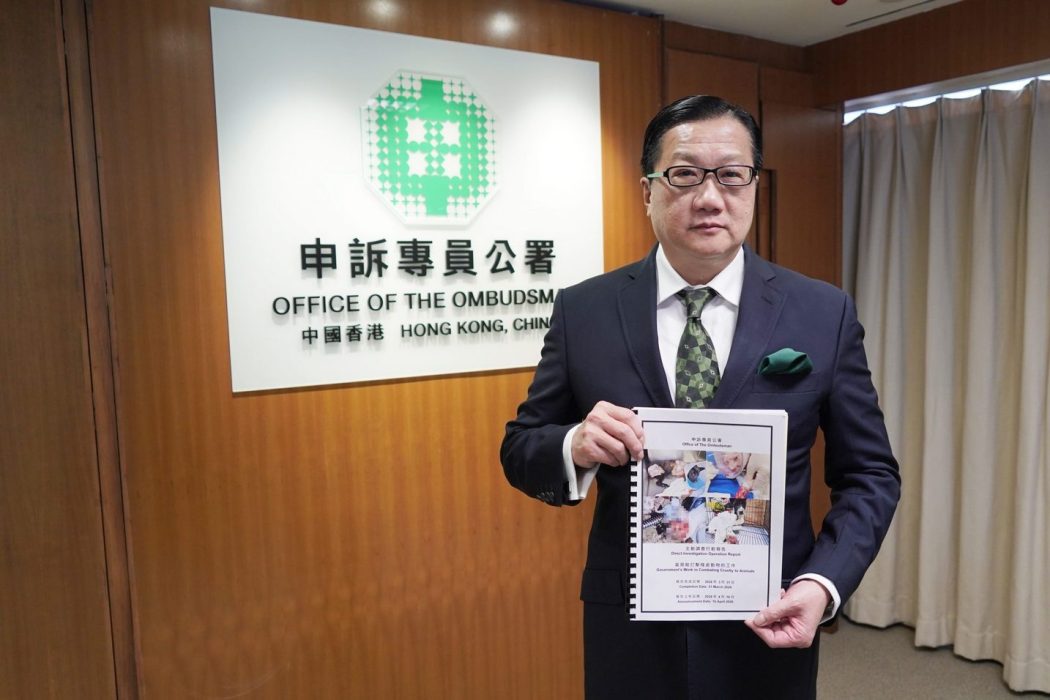
The report was initiated due to a series of shocking abuse incidents which, according to the Ombudsman’s ownwordsamount to a deliberate violation of the dignity of life and are completely opposed to the fundamental values of a civilized society.
The inquiry mainly examines the shortcomings of the Agriculture, Fisheries and Conservation Department (AFCD), which oversees animal management and well-being.
Among the main conclusions are the AFCD’s ineffective investigations and inadequate legal actions. Of the 1,633 cases of alleged animal abuse reported between 2020 and June 2025, only six resulted in prosecutions – a notable, though not unexpected, figure.
The AFCD respondedto the Ombudsman, stating that the majority of reports it received concerned noise or disturbance complaints rather than abuse. However, media coverage on animal abuse, includinga recent disturbing incident involving a 14-year-old pupilsharing online images and videos of cats being harmed, may imply something different.
Additional issues pointed out in the Ombudsman’s report consist of limited enforcement authority; uneven handling of cases; inadequate internal oversight and employee training; delayed updates to the Prevention of Cruelty to Animals Ordinance (Cap. 169), initially announced in 2019; and notably low fines for illegal animal traps, which currently have a maximum penalty of HK$50,000 without any possibility of jail time.

These are significant results, and the Ombudsman should be commended for bringing attention to systemic issues that animal rights supporters have pointed out for many years.
However, although the report has highlighted several of the government’s significant shortcomings, it also uncovers a more profound issue: Hong Kong’s strategy for animal welfare continues to be essentially reactive instead of proactive, with most recommendations centered on penalties, not prevention.
Even worse, the report ignores numerous structural and daily instances of animal suffering that are considered routine throughout the city. This article, therefore, aims to tackle these overlooked areas.
Duty of care
The most obvious drawback of the investigative report lies in its hesitation regarding encouraging the government to adopt a “duty of care.”
Although the Ombudsman recognizes that the government has had difficulty achieving agreement on this suggestion, it does not push for its implementation. This reluctance is significant.
A dutythe approach to care would significantly change current animal laws, moving from penalizing cruelty after harm has been done to preventing harm from happening in the first place. Without this structure, Hong Kong remains stuck with an obsolete system: officials only step in after clear signs of injury, starvation, or death.
If a cat falls from an open high-rise window, or a dog is continuously kept in a small apartment with minimal physical activity or interaction, the existing legal system struggles to take action until clear damage has already happened.
Caregivers would be legally obligated to ensure proper nourishment, housing, veterinary treatment, and living environments that safely address animals’ physical and psychological requirements. In various common law countries, such as the UK and Australia, duty of care clauses are already a fundamental part of animal welfare legislation.
Certainly, one of the report’s suggestions is to “enhance engagement and learning in educational institutions, enabling children and teenagers to develop a sense of animal welfare from an early age.”
This is an excellent suggestion for stopping animal abuse, but it is still disappointingly unclear. What sort of education are we referring to?

If Hong Kong truly aims to foster respect for animals, it needs to first address inconsistencies within the existing education system.
Going to a local secondary school, I still recall numerous science lessons in which animal dissection was considered a standard part of the curriculum, ranging from examining ox eyes to hearing peers talk about experiments involving mice.
These actions are still advised by the Education Bureau’s Biology Curriculum and AssessmentGuide, although the government alsoexpectsstudents in secondary schools are encouraged to “understand how humans can coexist with animals and demonstrate respect for every living being” within the same subject.
Humane education
Not only do these laboratory methods potentially support a perspective where animals are mainly seen as tools for human purposes, but the educational benefit of animal dissection has been convincingly argued.challengedthrough extensive research.
However, the problem may merely be one of many gaps within our education system that ought to promote animal welfare and put an end to the daily mistreatment of animals. Understanding veganism, the connection between animal exploitation and other societal issues, conservation, and other aspects of animal-related education are equally significant.
Humane education needs to enable individuals to identify the various instances of animal cruelty in Hong Kong, most of which are not addressed in the Ombudsman’s report.
For example, there have been ongoing disputes regardinganimals held at Ocean Park; animal deaths at theHong Kong Zoological and Botanical Gardens; and the the horse racing sector managed by the Hong Kong Jockey Club, where horses frequently experience injuries and deaths due to racing at full speed, lenient whipping regulations, and a warm environment.
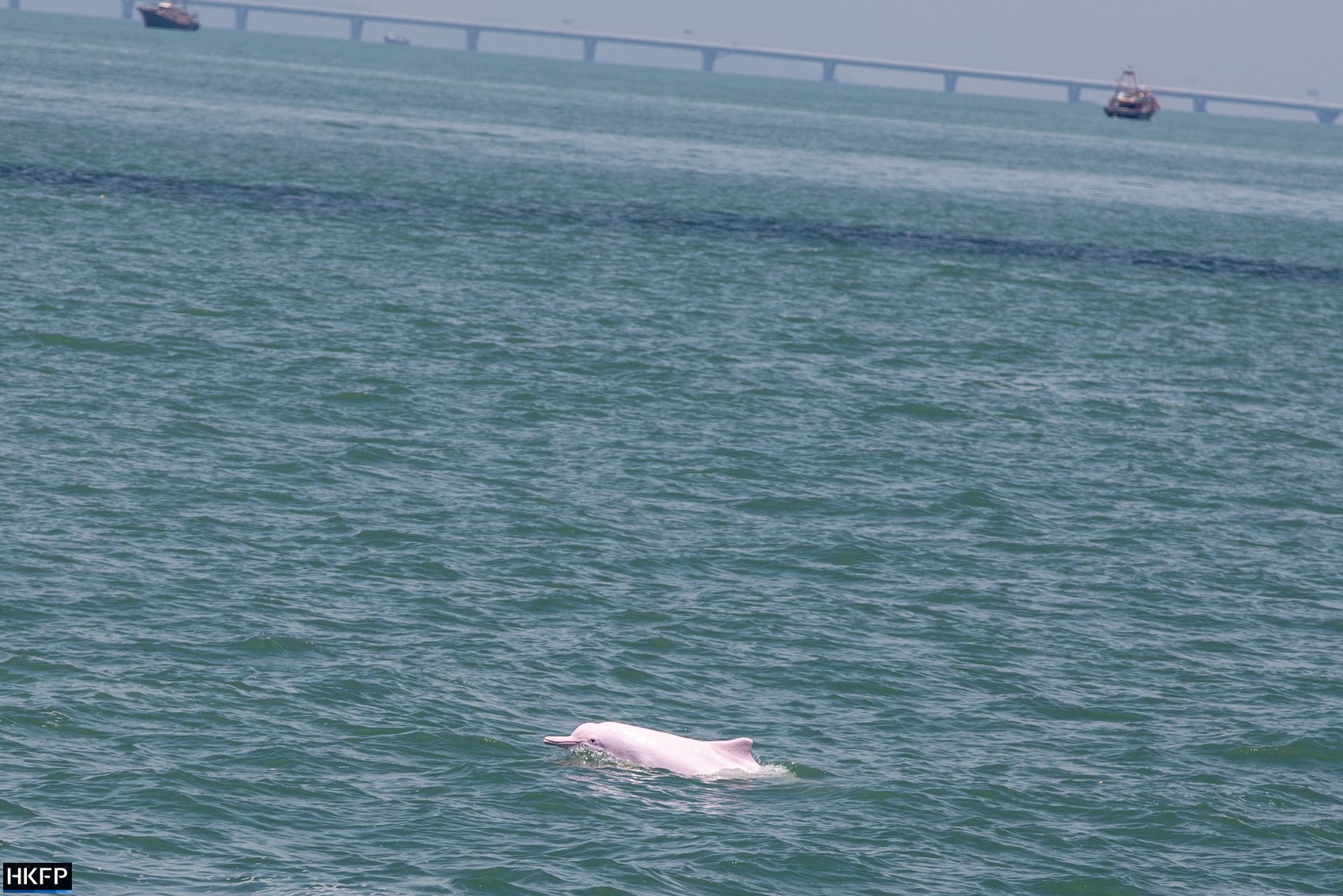
Of course, the development projects and human activities that interfere with animals’ habitats should not be overlooked. Consider how Chinese white dolphins havelosttheir environment due to land reclamation or suffered harm from the propellers of high-speed ferries, to cite just one instance.
Regardless of whether someone endorses these organizations and initiatives, it is hard to claim they are not part of the discussion regarding animal welfare.
The government’s inadequate handling of animals in city environments is another significant gap in the Ombudsman’s inquiry. The report accurately criticizes unlawful animal traps but overlooks state-backed actions that also lead to distress, includingthe controlled hunting of wild pigs the management of wild boar populations the removal of wild boars through organized efforts the systematic elimination of wild boar the process of reducing wild boar numbers the execution of wild boar eradication programs the undertaking of wild boar control measures the implementation of wild boar reduction strategies the conduct of wild boar population management the carrying out of wild boar culling activities.
It also neglects poor oversight of religious animal release traditions, which frequently disrupts ecosystems and harms the animals intended to be “rescued” as they are typically not released into appropriate environments.
If Hong Kong genuinely aims to be a “civilised” city that values life, then animal welfare should not only focus on punishing individual cases of abuse. It needs to address the legal, educational, economic, and cultural structures that allow animal suffering to be accepted as part of daily life and work to stop it from occurring in the first place.
An additional measure that needs to be implemented to ensure the welfare of animals is to pose a more challenging question: What types of relationships do we, as a city, keep developing with the animals that reside alongside us?
As philosopher Martha Nussbaum remindsWe, animal justice should not be judged solely by the lack of cruelty, but by whether animals can develop the abilities crucial for their well-being.
For canines, this involves play, physical activity, and social interaction. For dolphins, it refers to the capacity to hunt, communicate, and reside in their natural environment. Survival by itself does not equate to well-being; a fulfilling life does.
The Ombudsman’s findings represent a significant development. However, it should not be viewed as the final answer. Instead, it should serve as a reminder that there is always further action required from us—policy makers, teachers, and individuals alike.
Tim Pit Hok-yau is the research lead forHong Kong Animal Law and Welfare Organization.


 jasdooit
Leave a comment