
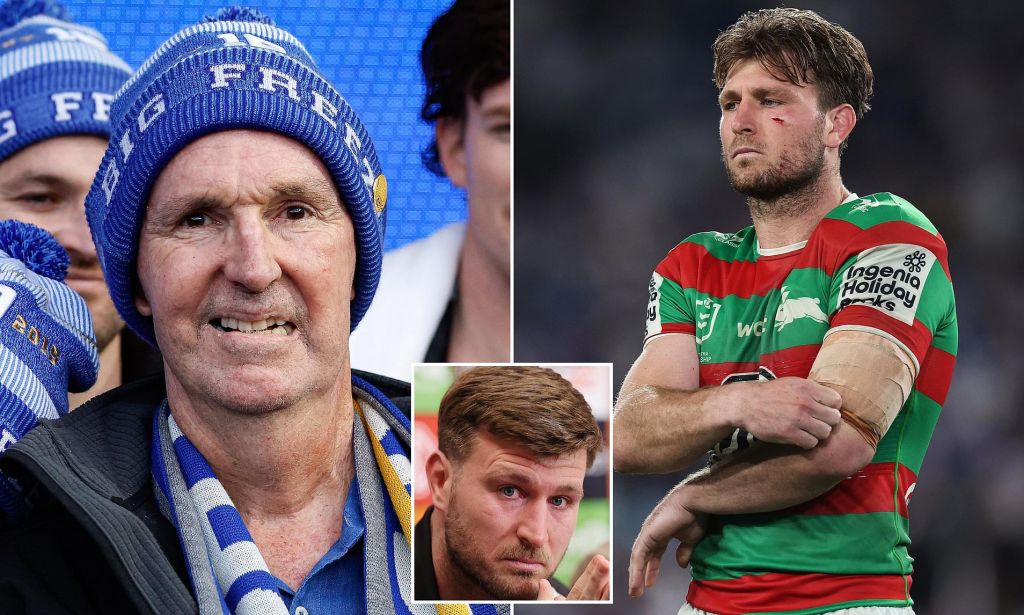
The passing of Neale Daniher and the devastating diagnosis of Jai Arrow at only 30 have brought back one of the most significant and difficult discussions in contemporary sports: are top-level football players more prone to developing motor neurone disease?
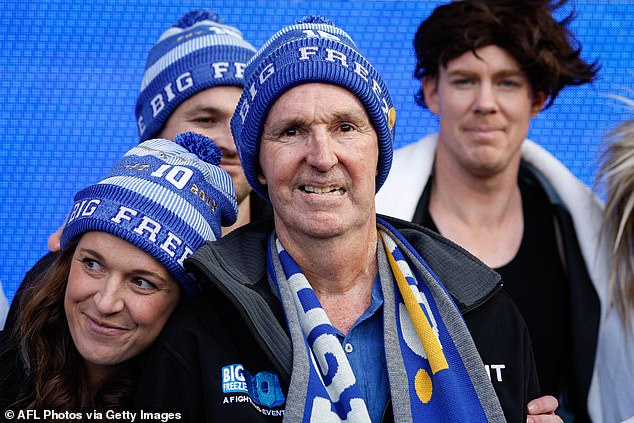
On Monday, Daniher’s family revealed that the Essendon and Melbourne icon succumbed to the irreversible illness following his 2013 diagnosis.
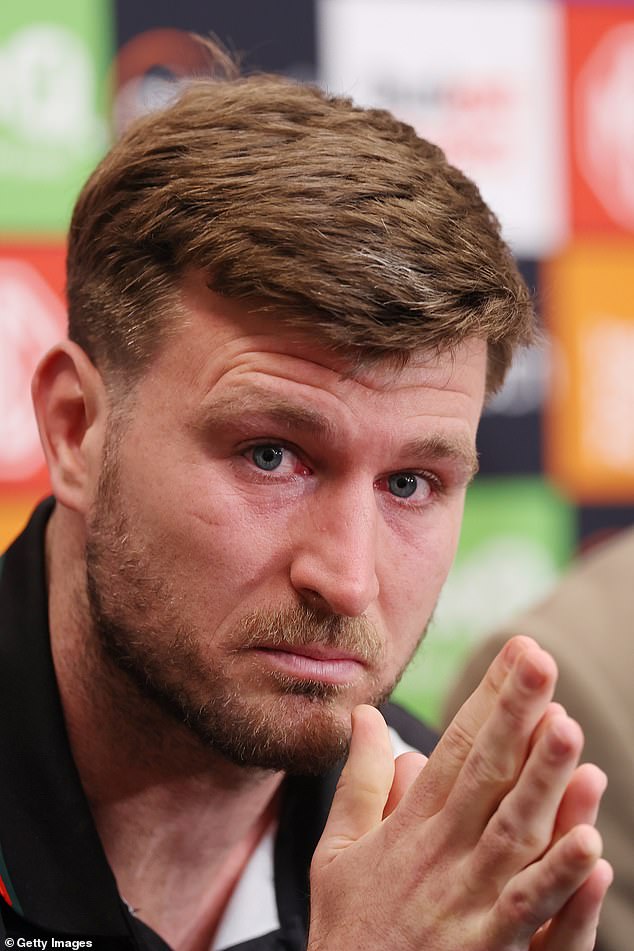
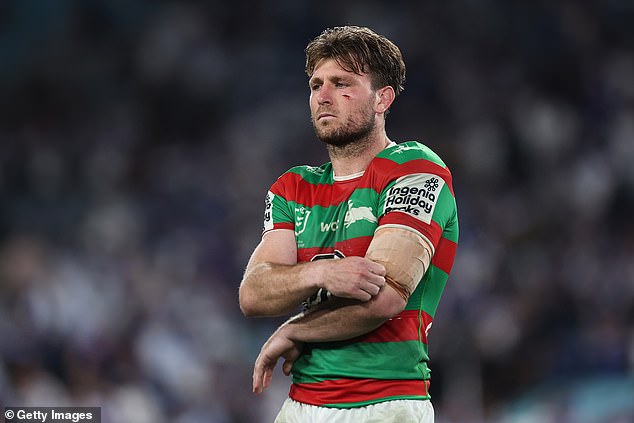
Arrow’s sudden emotional retirement announcement shocked the rugby league community the week before.
The former QueenslandThe Maroons’ forward was still at the peak of his career, having participated in 178 games.NRL games for the Brisbane Broncos, Gold CoastTitans and South Sydney Rabbitohs.
Shortly after the news was released, focus shifted to head impacts, frequent collisions, and the possibility that a long history of contact sports might have played a role in his health.
But although researchers are becoming more worried about connections between contact sports and brain-related illnesses, specialists also highlight a key fact: there is currently no conclusive evidence that rugby league, rugby union orAFL directly cause MND.
This subtlety is significant, as the growing evidence of a potential connection between the condition and contact sports is accompanied by increasing uncertainty.
And experts state that the actual situation is much more intricate than a single concussion or a mismanaged tackle.
Scientists currently think the solution could be related to the buildup of numerous minor injuries that soccer players experience over many years, combined with genetic factors, environmental exposure, training intensity, and perhaps even intense physical activity on its own.
The issue regarding top athletes and MND did not start with Arrow.
A former Broncos, Cowboys, and Maroons player, Carl Webb, passed away in 2023 at the age of 42 following a public struggle with the illness. Similarly, Scott Gale, a former Balmain Tigers player, succumbed to MND in 2004 at the age of 39.
In rugby union, George ‘Doddie’ Weir, Ed Slater, and Lewis Moody have all emerged as well-known figures linked to the condition.
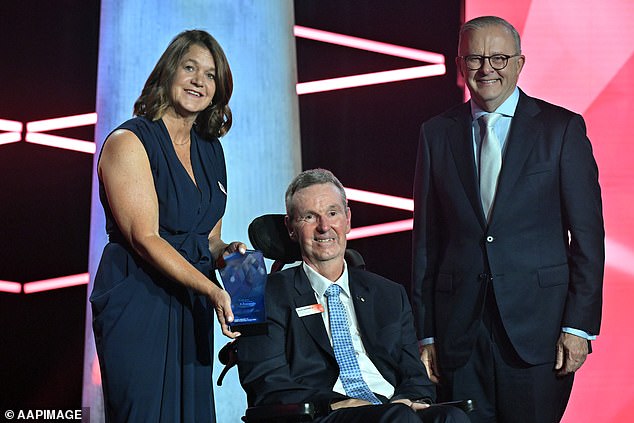
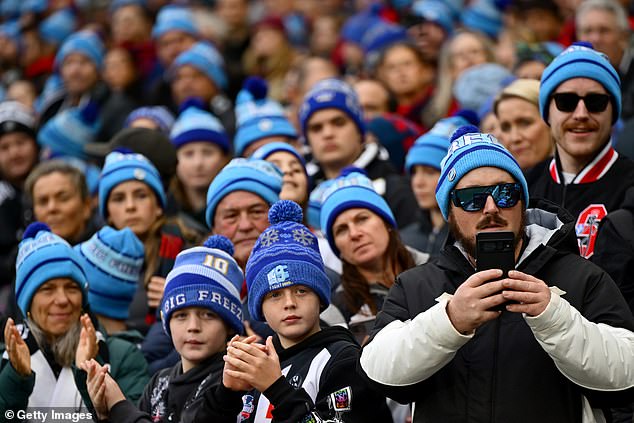
The AFL maintains a powerful emotional bond with Neale Daniher, who was diagnosed in 2013 and emerged as one of the nation’s top MND supporters via FightMND.
Daniher’s efforts in promoting causes resulted in him being honored as Australian of the Year in 2025.
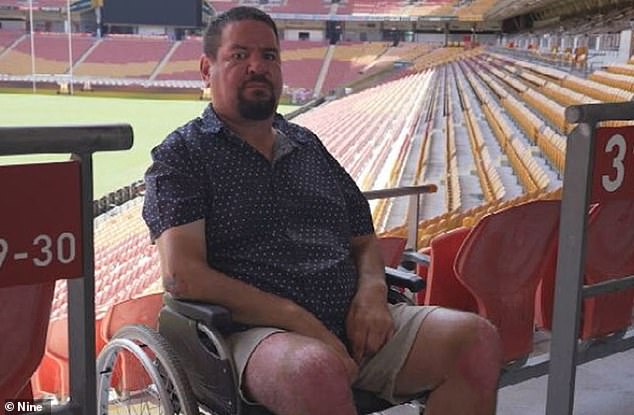
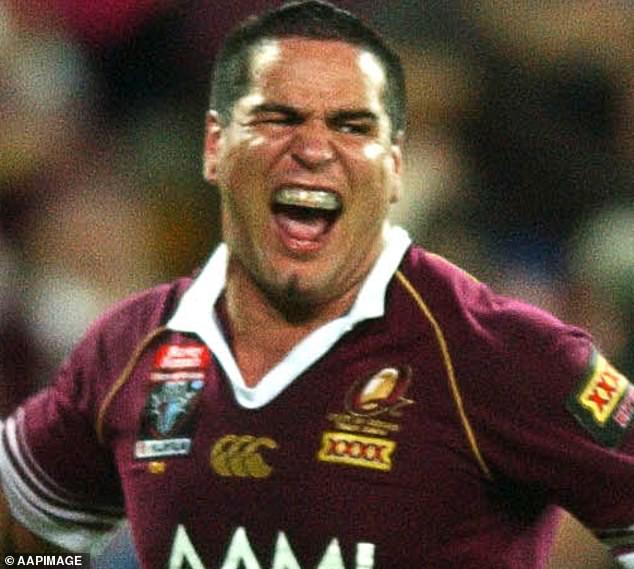
The profound impact of these narratives has naturally increased public worry. However, researchers indicate that the data is still not fully established.
“The straightforward response is that we haven’t determined it yet,” the MND Association UK mentioned in its formal assessment of the matter.
There is insufficient evidence to demonstrate a significant connection.
The group states that existing research indicates a mix of environmental, lifestyle, and genetic elements probably work together prior to the onset of the illness.
Nevertheless, scientists have identified sufficient troubling patterns that many consider the chance of a connection to be too significant to ignore.
A significant analysis published in the British Journal of Sports Medicine reviewed 45 different studies on sports-related injuries and MND.
The assessment indicated that professional athletes involved in football sports could have a four to 15 times higher risk of acquiring the condition.
Dr. Alan Pearce of Swinburne University of Technology thinks people frequently misinterpret the dangers involved.
“It creates the feeling that everything revolves around the major success,” Pearce remarked following Arrow’s diagnosis being made public.
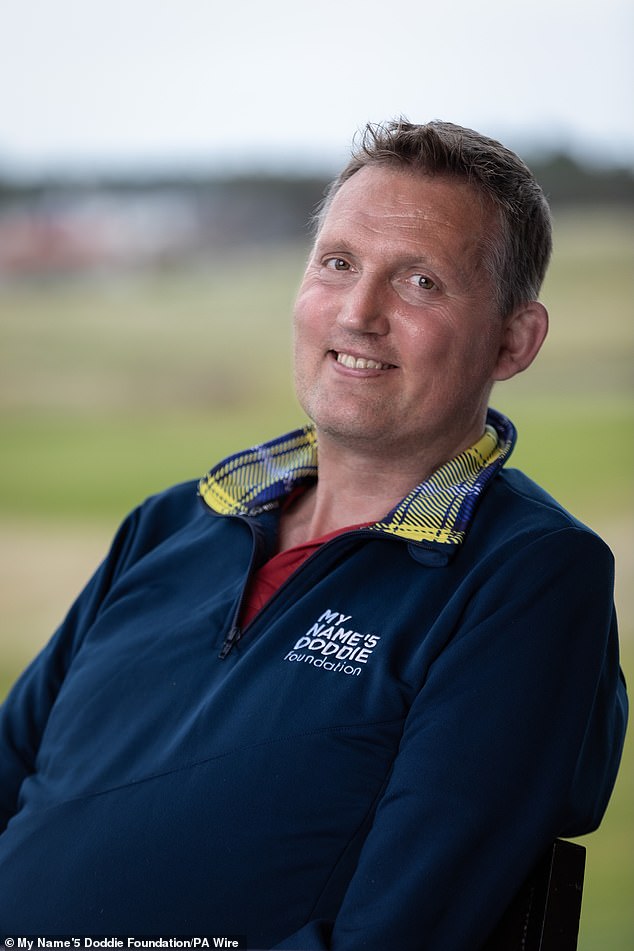
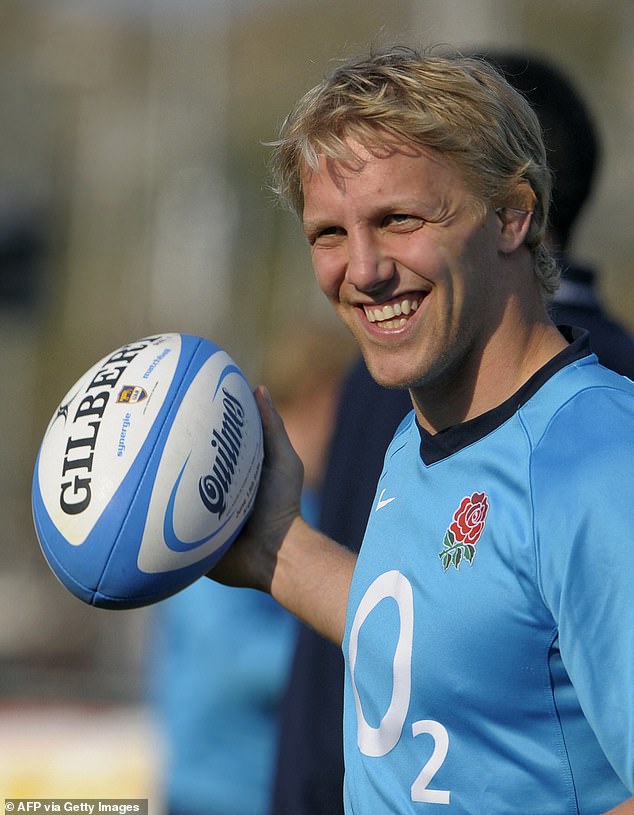
We must make people realize that it’s the smaller impacts over an extended time that we need to focus on. This is what the current research is indicating.
Individuals are shifting their focus to Jai’s head injury, and it’s not related to that.
It’s not about preventing a concussion from happening, as you can still suffer one, but rather about preventing the buildup of such exposures that is crucial.
This concept—gradual exposure instead of a single major event—is gaining importance in contemporary studies.
One of the most robust studies to date was conducted in New Zealand in 2022, involving 321 individuals with MND and 605 control participants. The results were remarkable.
Individuals who experienced two concussions had an odds ratio of 4.01 for developing MND, and those with three or more head injuries also demonstrated increased risk.
The research also discovered that individuals who engaged in sports consistently from childhood into adulthood had an increased likelihood of developing MND, with football players who participated for over 12 years facing more than double the risk compared to those who did not play.
Crucially, scientists consistently warned that correlation is not evidence.
The research itself indicated that the evidence was “mostly unclear.” The MND Association UK shares this caution.
The organization states, ‘While research conducted so far indicates a link between these professional sports and MND, it does not prove a cause-and-effect relationship.’
That difference holds significant importance in both medical and legal contexts.
Correlation refers to researchers identifying trends. Causation would involve demonstrating that the sport directly leads to the illness. Experts state they have not reached that conclusion yet.
One of the difficulties is that MND continues to be one of the least comprehended conditions in the medical field.
The illness targets motor neurons—nerve cells responsible for movement, speech, swallowing, and breathing. As time passes, muscles gradually lose strength and atrophy.
No treatment is available at present, and the lifetime risk is approximated to be about one in 300.
Scientists also think that heredity might significantly affect who is prone to certain conditions.
Dr. Nick Cole stated to ESPN Rugby that there was “no concrete, conclusive connection between rugby and MND.”
“We are aware that MND results from a combination of environmental factors, lifestyle choices, and genetic influences,” Cole stated.
Sports might be one of the factors, but there are numerous other areas in the biology of MND that we are exploring to discover the treatments we require.
Scientists are currently investigating if severe physical activity might also be a contributing factor.
Researchers at the University of Sheffield have recently discovered indications that intense physical activity in men could raise the likelihood of developing MND and result in an earlier appearance of the condition in those with a genetic predisposition.
Once more, the results are not conclusive. However, they are sufficient to worry many professionals.
Pearce has supported decreasing the amount of contact practice and postponing children’s involvement in contact sports until they are 14 years old.
In global sports, officials are already taking action.
The Australian Football League, National Rugby League, rugby union, and soccer have all implemented more rigorous concussion guidelines in recent years. Youth sports have also undergone significant changes, with numerous programs limiting tackling or physical contact during practice sessions.
However, certain scholars argue that the training process could still conceal underlying issues.
Athletes may endure thousands of mild, non-concussive hits throughout their careers without ever being diagnosed with a concussion. This issue is now becoming a significant area of scientific research.
The diagnosis by Arrow has revived those concerns in the public eye due to his young age.
“For me, it’s the age at which Jai was diagnosed that is worrying,” Pearce stated.
But when you encounter someone like Jai, who is 30, it really makes you realize that this is an issue we need to discuss in a structured way.
At this stage, the science is still uncertain. Despite this, leading medical organizations studying the matter still recommend exercising caution.
A 2025 independent study examining professional athletes and MND found that the available evidence was ‘not clear enough or consistent enough’ to officially confirm a direct cause-and-effect relationship.
This implies that no specialist can currently confirm that rugby league led to Jai Arrow’s illness. However, similarly, very few scientists are now ruling out the chance.
Alternatively, scientists throughout Australia, New Zealand, and Europe are currently working quickly to determine if frequent impacts, high training volumes, hereditary factors, and prolonged physical abuse could interact in harmful manners.
And for athletes, their families, and sports organizations, this uncertainty could be the most terrifying aspect of all.





Leave a Reply