
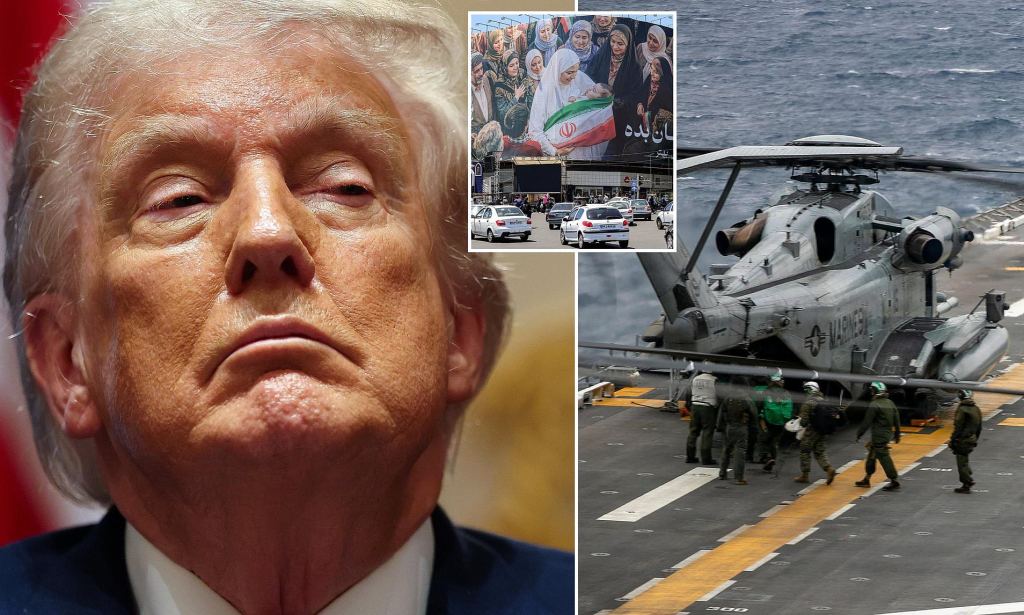
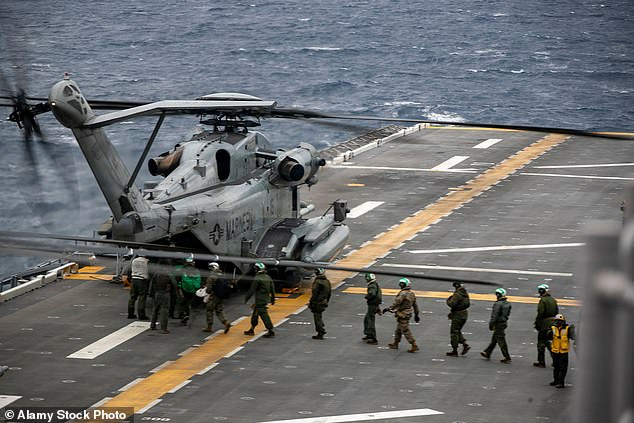
The American armed forces conducted additional attacks during the night inIranfocusing on a military location close to the Strait of Hormuz which officials thought was a danger to U.S. troops and commercial sea travel.
An official, who spoke to Reuters while remaining unnamed, stated that the US military has also intercepted andshot down several Iranian drones that presented a comparable danger.
“Today, US Central Command forces intercepted four Iranian suicide drones that presented a danger near the Strait of Hormuz,” the official stated.
US forces also targeted an Iranian ground control facility in Bandar Abbas that was preparing to deploy a fifth drone. These measures were deliberate, strictly defensive, and aimed at preserving the truce.
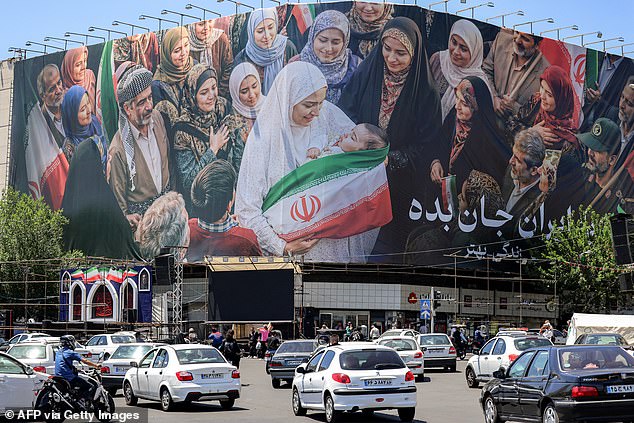
The protests occurred amid talks to conclude a conflict that has resulted in thousands of deaths and caused global energy costs to rise significantly since it started on February 28, following U.S. and Israeli strikes.
Trump stated on Wednesday that he was not yet content with Iran’s proposals for a deal, following reports from Iranian state television about what it claimed was a preliminary agreement.
Earlier on Wednesday, Iranian state television reported that a preliminary draft of a memorandum of understanding with Washington contained a promise to end the naval embargo on Iran, resume shipping in the Strait of Hormuz, and remove American troops from the Gulf.
The presidential residence described the report as a ‘total invention.’
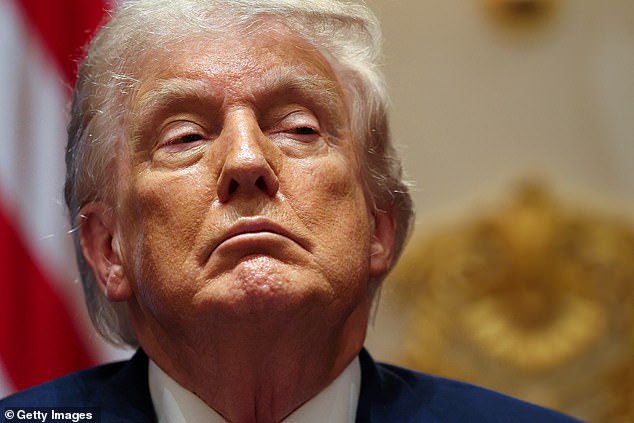
At a cabinet meeting held at the White House, Trump stated he wasn’t eager to finalize an agreement to conclude the Middle East conflict, even though he mentioned over the weekend that a deal was near.
“Iran is highly determined, they are very eager to reach an agreement. So far, they haven’t achieved it. We aren’t content with the current situation, but we will be,” Trump stated.
“Either that or we’ll need to complete the task,” he said, alluding to the threats to restart the military actions that the United States and Israel initiated on February 28 and halted in April.
Trump stated that the Iranians were “negotiating with no resources left.”
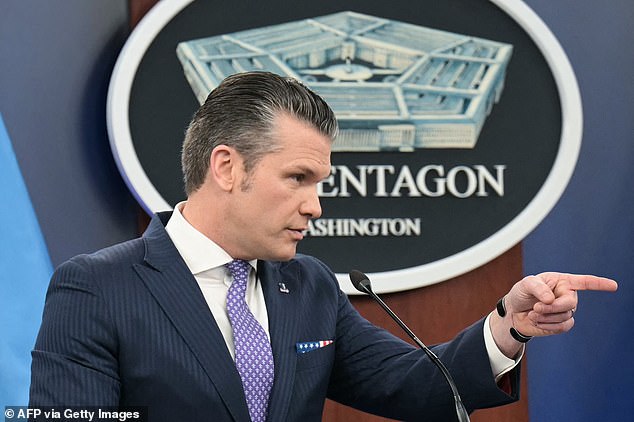
State Secretary Marco Rubio, seated beside Trump, mentioned that there had been ‘some progress and some interest’ in the discussions with Iran.
“Let’s see over the next few hours and days if any progress can be achieved,” said Rubio.
Trump did not directly address the Iranian state TV report regarding a draft agreement, and provided occasionally conflicting details about the progress of the discussions.
He stated that ‘no one,’ including Iran, would have authority over the Strait of Hormuz and dismissed claims that Iran and the Gulf nation of Oman might oversee a toll system for the passage.
The leader stated that the canal would stay accessible.
Trump stated he was not rushing to finalize an agreement, even as the conflict in Iran led to increased living expenses for Americans before the November midterm elections.
The Republican holds historically low approval ratings as there are fewer than six months until the election that will decide if his party maintains control of Congress.
“They believed they could outlast me, you know, ‘we’ll outlast him, he has the midterms,’ ” Trump said, mentioning Iran.
I’m not concerned about the midterms.
The US last conducted what itcarried out defensive attacks on Iranon Monday, which Iran described as a breach of the nations’ tenuous truce.
American targets consisted of vessels trying to plant mines and missile launch locations that the US military’s Central Command claimed presented a risk to American troops.
Trump cautioned on Wednesday that he might need to ‘complete the task,’ while Tehran stated that its forces remained ‘hidden with full ammunition.’
Conflicting messages highlighted the delicate condition of negotiations seeking to conclude a Middle East conflict that has disrupted global energy markets and practically shut down the Strait of Hormuz.
Trump also seemed to issue a caution to Oman, a U.S. ally and negotiator in the conflict, when questioned about a potential temporary agreement that would permit Iran and Oman to manage the Strait of Hormuz.
No, the strait will remain accessible to all,” Trump stated. “It is international waters, and Oman will act like everyone else, or we’ll have to destroy them. They are aware of this, and they will be fine.
The White House did not promptly explain if Trump had made an error in his statement. Oman has served as a mediator in the conflict and has also been targeted by Tehran.
A senior Iranian Revolutionary Guards official, Mohammad Akbarzadeh, stated that the chance of ‘war is low due to the enemy’s weakness,’ yet cautioned that the military was ‘waiting with full magazines’ in case of an attack, according to Tasnim news agency.
Trump, who mentioned over the weekend that an agreement was near, also stated during the cabinet meeting that he wasn’t under pressure to hurry.
A conflict in the Middle East began in late February following US-Israeli attacks on Iran, causing oil prices to rise sharply.
Expectations of an upcoming agreement caused benchmark oil futures to drop by over five percent on Wednesday.
Worldwide stock markets mostly increased, with the three main US indices recording small gains and reaching new highs, as investors focused on the positive aspects despite mixed messages from Washington and Tehran.
Merchants were also encouraged by a decline in US Treasury yields as oil prices dropped, while a further rise in tech stocks provided additional momentum to the upward trend.
Economists have cautioned that extended instability in Hormuz might maintain high energy costs, fuel inflation, and compel central banks to increase interest rates.
A day prior, Iran alleged that the United States had violated the ceasefire following the most significant attacks since the agreement was put in place, and cautioned that it was prepared to respond.
The U.S. military stated it conducted ‘self-defense attacks’ on Iranian missile facilities and vessels that lay mines during the night between Monday and Tuesday.
The intelligence ministry of Tehran alleged that the United States and Israel are attempting to destabilize the Islamic Republic, divide Iran, incite unrest, and conduct acts of sabotage.
Iran and the United States have exchanged warnings for weeks as they engage in talks mediated by Pakistan.
No party seems willing to make concessions on the key issues: Hormuz and Iran’s nuclear program.
On Wednesday, the navy of the Revolutionary Guards stated that only vessels ‘prepared to follow Iranian instructions’ would be allowed to transit through Hormuz.
U.S. Secretary of State Marco Rubio stated on Tuesday that an agreement was still possible, although the Hormuz would be opened “one way or another.”
Iranian officials also partially reinstated access to the worldwide internet on Tuesday following a three-month period of disruption.
This is an ongoing situation.


Leave a Reply