
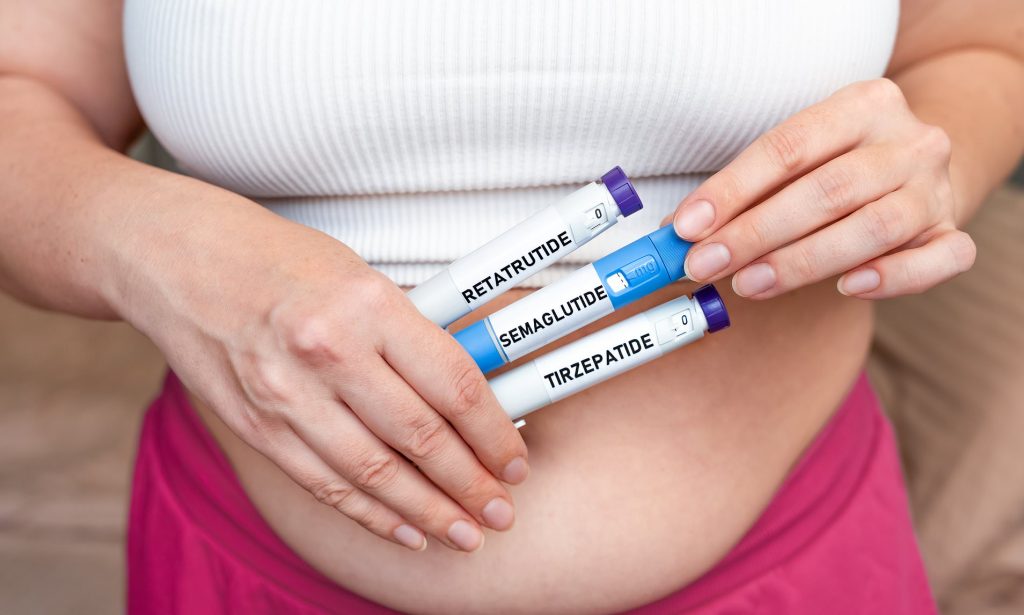
A recent study has revealed that one in four general practitioners have encountered patients who were admitted to the hospital following the use of counterfeit weight-loss injections.
With the rising popularity of appetite-suppressing medications like Wegovy, Ozempic, and Mounjaro, concerns are increasing that fake drugs from the illegal market could endanger patients.
Over 2.5 million people in Britain are believed to be taking the drugs, with most covering the costs themselves asNHSaccess is still restricted to specific patients. The expensive private fees – as much as £300 each month – are thought to be increasing interest.
In February of this year, government officials cautioned that although certain products include the same active component that makes official weight-loss injections so effective—enabling users to lose up to 20 percent of their body weight—they might be manufactured in unsafe or unsanitary environments and could be tainted.
However, the warnings appear not to be deterring individuals, as a new survey of 267 general practitioners showed an increase in exposure to unlicensed medication in Britain.
Although thousands of drug seizures have occurred at the border, 86 percent of GPs reported that they have noticed a rise in patients receiving the injections during the last year.
Approximately two-thirds reported that patients had encountered adverse effects such as intense nausea, while over half observed cases of diarrhea and fluid loss.
During an update earlier this year, the Medicines and Healthcare products Regulatory Agency (MHRA) stated that receiving unauthorized injections may lead to significant health issues.
If the medications are not sterile — implying they could have bacteria or other harmful microorganisms — this might cause swelling, discomfort, redness, and fluid discharge at the injection site.
Infections may also cause symptoms like fever, including tiredness, shivering, and a sore throat.
Nearly half of the GPs questioned expressed worry that patients obtaining the medications via unauthorized channels were getting minimal or no medical advice regarding their usage.
Inquiries have uncovered unauthorized vendors operating in beauty salons, fitness centers, and online social media sites. A Daily Mail report from last November revealed that beauticians were providing these services.
At least one fatality in the UK has been associated with the use of counterfeit weight-loss medications.
Ashton Collins, head of Save Face, which is a registry of certified cosmetic surgeons, stated last year that buying the injections from ‘unauthorized sources’ is akin to taking a gamble with one’s life.
In certain reports, counterfeit injections have been discovered being sold in fish and chip shops and bars in London.
Approximately 25 percent of GPs expressed worries about uncontrolled vendors after witnessing patients needing hospital treatment due to issues from the injections.
Over 18,000 illicit and fake weight-loss and diabetes medications were intercepted at UK borders from January 2024 to June 2025, although it is believed that certain injections might still evade regulatory checks.
This year, the MHRA confiscated nearly 2,000 doses of counterfeit weight-loss medicine just before they were due to be delivered to consumers. The illicit drugs were discovered in Nottingham and Lincolnshire.
It has also been reported that foreign laboratories, such as those in China, might be the primary source of counterfeit drugs, which are available for as low as £1.50 per vial. Smugglers then purchase these in large quantities and resell them for a profit.
With health authorities urging increased awareness of the risks associated with the injections, Asda Pharmacy has introduced a program that invites individuals who believe they have bought counterfeit medicine to discard it at one of its 230 stores.
Faisal Tuddy, head of Asda Pharmacy, stated: “We are aware that many of our customers are seeking assistance in managing their weight, and it’s crucial they feel assured they are receiving safe, reliable guidance.”
At Asda Pharmacy, we are committed to simplifying your journey by providing helpful, expert guidance and clinically suitable choices that are customized for every person, along with assistance at each stage.
If someone is uncertain about a purchase, we always recommend visiting a pharmacist for a discussion. Our latest service focuses on providing customers with reassurance—ensuring they feel supported, well-informed, and capable of making safer decisions, without any sense of criticism.
This year, Dr Alison Cave, the head of safety at MHRA, advised anyone using a suspected fake 15mg Mounjaro pen with batch number D873576 – provided by The Private Pharmacy Clinic in Birmingham – to cease usage right away.
She added: “If you have already used the pen to administer injections, please be assured that, according to the cases examined so far, the risk to you is minimal.”
Testing has verified that the counterfeit pens identified do contain tirzepatide, the active ingredient in Mounjaro, however, due to unknown production conditions, we cannot ensure the contents are sterile.
If you think you’ve experienced a side effect from using these affected pens, or believe the product isn’t authentic, or if you have a faulty pen, you can report it through our MHRA Yellow Card program. It’s crucial that you don’t attempt to remove any of the medication if the pen is damaged in any way.




Leave a Reply