
They would be wiser to exercise caution,” said Iran’s lead negotiator, Mohammad Bagher Ghalibaf, regarding Trump’s statement. “It is we who take action.
Iran’s lead negotiator, Mohammad Bagher Ghalibaf, cautioned the United States on Sunday against issuing threats toward the Islamic Republic, promising that “our military forces are prepared to react.”
“Wouldn’t they realize that if their threats held any weight, they wouldn’t be in today’s desperate situation?” stated Parliament Speaker Ghalibaf, following US President Donald Trump’s warning of an attack on Iran due to its backing of Hezbollah.
It would be wiser for them to be cautious with their words; our military is prepared to react to them in another way. Regardless of what they say, we are the ones who take action.
Are you curious about the major issues and developments happening globally? Find the answers withSCMP Knowledge, our latest platform featuring curated content including explainers, FAQs, analyses, and infographics, presented by our acclaimed team.
Earlier on Sunday, Trumphad shared on his Truth Social platform: “Iran should immediately cease the well-compensated PROXIES in Lebanon from creating issues.”
“If they don’t, we will strike Iran very severely once more, similar to what we did last week, but even more intensely!!!” he added.
The conflict between Israel andHezbollah, ignited by the Tehran-aligned militant group launching an attack on Israel in solidarity withIranin the broader conflict, has consistently attempted to hinder reconciliation initiatives.
Nevertheless, by Sunday night, there were no accounts of Israeli attacks or ongoing conflict.
Ghalibaf’s remarks emerged as theUnited States and Iran conducted discussions in Switzerlandwith Pakistani and Qatari mediators, following the signing of a provisional agreement to conclude their conflict earlier this week.
The Iranian news outlet Fars stated that Trump’s warnings caused the talks to be put on hold — a statement that has not been quickly verified by any official entity.
Article 1 of the memorandum of understanding finalized by Iran and the United States earlier this month explicitly mentions that both nations commit to “refrain from threatening or using force against one another.”
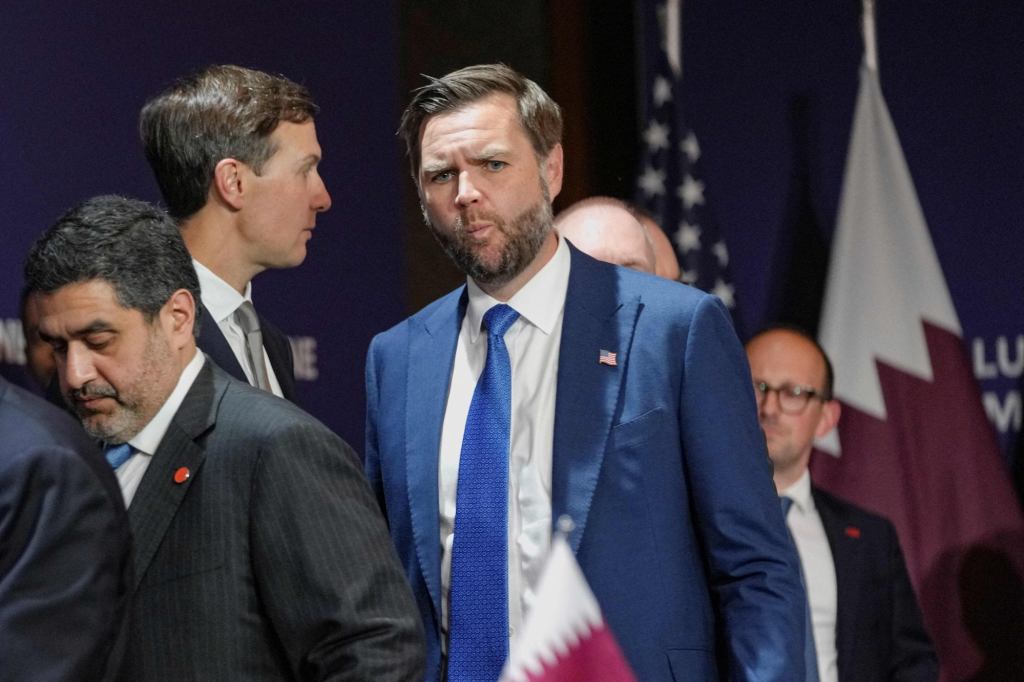
Meanwhile, US Vice-President J.D. Vancevoiced hopes on Sunday of beginning a “new chapter” during the discussions in Lucerne, despite the risk of renewed conflict inLebanonand the absence of agreement on critical matters made the possibility of a lasting deal difficult to achieve.
But Israeli Prime Minister Benjamin Netanyahurepeated his statements that forces would stay in southern Lebanon “as long as required”.
“We will stay within the secure area in southern Lebanon for as long as required to safeguard the beloved inhabitants of the north and all Israeli citizens,” Netanyahu stated.
Netanyahu also reaffirmed his commitment to “prevent Iran from obtaining nuclear weapons,” while Iran’s official media reported that the nuclear program was not addressed on Sunday.
The broadcaster stated, ‘There were no discussions about Iran’s nuclear program during the 80-minute initial meeting,’ and mentioned that it remains uncertain if the talks will proceed or be put on hold.
It mentioned that the attention was centered on the execution of the memorandum of understanding between Tehran and Washington, as well as the conditions in Lebanon, noting that the Iranian team declined to start the meeting until the media personnel exited the room.
Vance, accompanied by American negotiatorsJared Kushnerand Steve Witkoff at the luxury Swiss resort Burgenstock, still referred to it as “a historic meeting,” and remarked: “The question before us now is how much more can we achieve together?”
Can we start fresh? Can we transform our relationship in theMiddle East permanently?
Or do we return to handling things in the traditional manner, which isn’t our choice, but is certainly a possibility.
Negotiations aimed at ending the prolonged conflict are occurring while Iran reopens the vital Strait of Hormuz following recent Israeli strikes on Lebanon.
“It is impossible to proceed to the negotiation phase for a final agreement” without an end to the conflict in Lebanon, said the Iranian foreign ministry spokesperson.Esmaeil Baqaei wrote on social media.
A memorandum of understanding between Washington and Tehran, signed in June, contained a clause aimed at ending hostilities in Lebanon betweenIsrael and Hezbollah.
However, there have been ongoing conflicts in Lebanon since then, leading Iran to declare it would once more shut down the vital oil and gas trade route, which it had previously opened as part of the agreement.
By Sunday night, there were still no accounts of Israeli attacks or ongoing conflict, as some inhabitants of southern Lebanon began to cautiously return to their residences.
Besides Lebanon, there is no sign that Iran’s backing of militant groups throughout the area, which has consistently provoked the United States and Israel, will be discussed during the talks.
Tehran continued to express doubt, as Mohsen Rezaei, a military advisor to Supreme Leader Ayatollah Mojtaba Khamenei, shared on social media that “the enemy has revealed itself as a promise-breaker.”
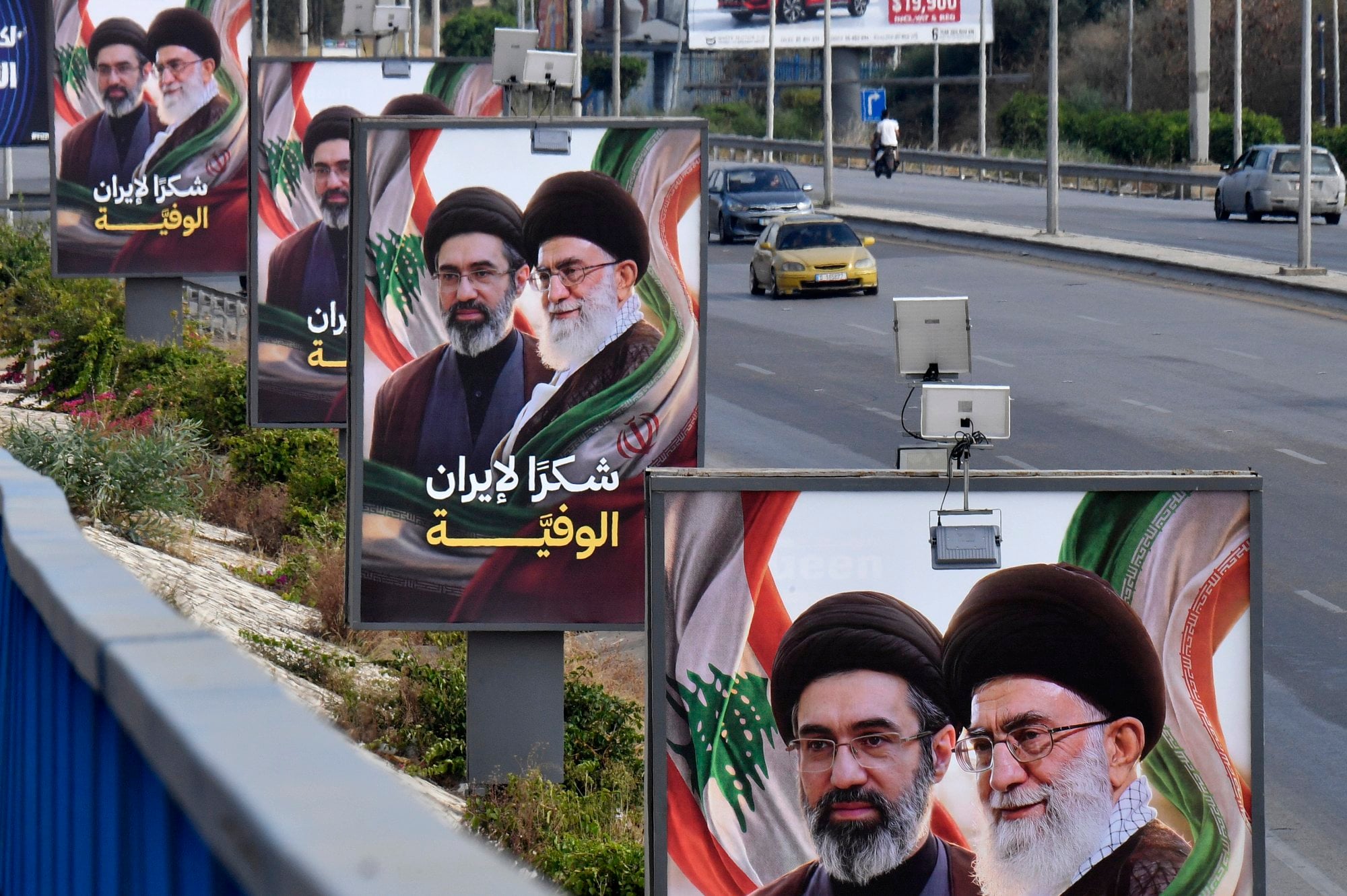
On Sunday, Iranian President Masoud Pezeshkian stated that Tehran would not give up its right to enrich uranium, while reiterating Iran’s claim that it does not seek nuclear weapons.
“We can also confirm in writing that our goal is not to develop a bomb,” he stated on the presidential website.
Baqaei, on the other hand, mentioned that the release of Iranian funds and “granting the required permits for the sale of Iranian oil will also be discussed”.
The conflict between Israel and Hezbollah, ignited by the Tehran-aligned militant organization’s attacks on Israel in solidarity with Iran within the broader conflict, has consistently jeopardized peace initiatives.
On Friday, scheduled U.S.-Iranian discussions were delayed when Israel carried out fatal attacks in Lebanon, following the demise of four of its troops in the region.
The head of Israel’s military traveled to southern Lebanon on Sunday, stating that Hezbollah was facing a “very challenging situation.”
” Hezbollah has faced a major and impactful setback, and we are determined to stay ready to keep functioning and stop its recovery,” said Lieutenant General Eyal Zamir, as stated in a military report.
The total number of fatalities resulting from the conflict in Lebanon has now gone beyond 4,100, according to the health ministry.
More Articles from SCMP
China’s approach to Iran is a demonstration of power without tangible influence
Motorcyclist passes away following a crash involving a double-decker bus in Hong Kong
This piece was first published in the South China Morning Post (www.scmp.com), a top news outlet covering China and Asia.
Copyright (c) 2026. South China Morning Post Publishers Ltd. All rights reserved.



 jasdooit
Leave a comment