
The UK is experiencing anotherheatwave, and with record-breaking June temperatures causing restless nights in the humid heat, homes throughout the country are wondering if it’s finally time to go ahead and make the investment inair conditioning.
Although air conditioning systems are widespread in most American homes, families in Britain tend to rely onfans and open windowsto stay cool. But with thisJune reaching record-high temperatures, it might be a valuable buy. Approximately four million households in the UK now feature air conditioning – nearly 1.9 million of these are installed units – which is twice the number from three years back. In the United States, up to 90 percent of homes and commercial structures have built-in air conditioning systems.
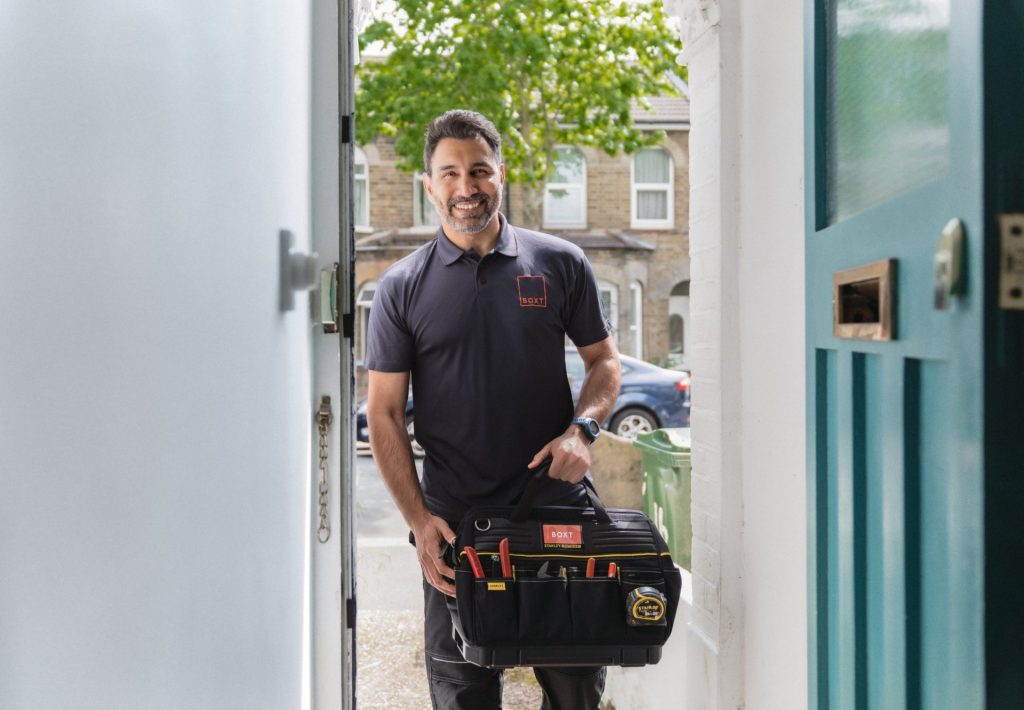
As per the installation data from home cooling expertsBOXT,The demand for home air conditioning setups increased by 495 percent in May alone, and they are expected to sell the same number of units by the end of June as they did throughout 2025, with numerous clients opting for their same-day installation option.
Adam Knight, a senior engineer at BOXT who has worked in the industry for more than 17 years, states, “We are witnessing a significant increase in interest, and this is a pattern we anticipate will keep growing. Increasing numbers of individuals are realizing that air conditioning is no longer simply a luxury, but rather a wise, long-term choice for comfort and health, particularly as summer seasons in the UK grow hotter and more erratic.”
Knight mentions that new research from BOXT indicates that more than a quarter of Brits (28 percent) are spending over £300 each summer on temporary cooling devices such as neck fans, misting sprays, and slushie machines, but these do not truly lower the room’s temperature. “This is encouraging more homeowners to seek out long-term, efficient solutions that provide consistent comfort, better sleep, and enhanced air quality, and fitted AC accomplishes just that,” says Knight.
Here, Knight describes how the most common householdair conditioning systemswork, the probable expenses, and how much you will need to spend to maintain it.
The most prevalent cooling system used in homes across the UK
The most typical air conditioning unit you’ve likely encountered in a home environment is the wall-mounted split system.
It cools the air by channeling it between an indoor and an outdoor unit, linked by a pipe that extends through the wall. Air from the warm room is pulled into the indoor, wall-mounted unit and moves over pipes containing a cold refrigerant.
The ducts lower the temperature of the air, with the additional heat expelled via the external unit. The cooled air is subsequently released into the room, reducing the temperature of the area.
The accurate management of this air conditioning unit allows you to cool or warm just the room you require, avoiding unnecessary expenses by not sending air to unused areas; nevertheless, you will have to cover the cost of a unit and installation for every room you wish to condition.
Knight mentions that clients frequently opt for contemporary split systems, like the Bosch Climate series. These systems provide cooling during summer and heating during winter, delivering continuous benefits from one installation.
What’s needed for installation?
To set up a cooling system, you typically require:
- A space is required for an indoor wall-mounted unit – for instance, the Bosch 3200i is small (802mm in width, 295mm in height, and 200mm in depth), whereas the outdoor unit is about the size of a small suitcase. This system usually costs between £1900 and £2500 when fully installed.
- An external space for the outdoor unit
- A pathway for piping between facilities
- Availability of an appropriate electricity source
The indoor unit is set up within your house, typically mounted on a wall where air circulation is optimal, and it is convenient for daily use. The location is selected to ensure efficient operation while maintaining a clean, discreet appearance.
The external component is subsequently placed in an appropriate spot outside the building. This enables it to securely expel warmth from your residence while ensuring proper air circulation around the unit.
After both units are installed, technicians link the refrigerant pipes and electrical cables between them and the main power source. These connections enable the transfer of heat from inside your house to the outdoor unit.
In conclusion, the system has undergone complete testing. Your installer will confirm that all connections are properly sealed, the refrigerant is circulating correctly, and the system is functioning as intended for both heating and cooling before final approval.
What is the expense associated with setting up a permanent air conditioning system?
A key limitation for air conditioning is the upfront expense. This can differ based on various elements, such as the size of your home, the quantity of rooms you wish to cool, the kind of system being set up, and the level of complexity involved in the installation.
A simple one-room split system is typically the most affordable long-term choice, with current UK costs generally between £1,500 and £3,500, including setup. However, this can vary based on several elements such as the system type, room size, and installation complexity.
Many individuals will choose to install air conditioning in several rooms that are frequently used, like living areas and bedrooms, turning the system on only when the space is being utilized to reduce expenses.
Knight states, “Some families may struggle with the initial expense of setting up air conditioning, although it’s becoming significantly more affordable. At BOXT, the price for installing a built-in unit in a single room begins at £2,199 and covers expert installation. We also provide flexible payment options to make the cost more manageable.”
What are the primary difficulties encountered when setting up air conditioning in homes across Britain?
Knight mentions that a key challenge is the appropriateness for specific types of residences. “Although air conditioning can generally be installed in most properties, setting it up in listed buildings or areas with conservation status can be more complicated and usually needs extra permissions or major changes. Certain projects also need scaffolding, which can add thousands of pounds to the installation cost and extend the time required for the job. UK homes are not inherently designed for extended or frequent heatwaves, and the structure and layout of each home can affect which type of unit is appropriate.”
Do I require planning permission?
In the majority of typical home situations, you generally don’t require planning approval to set up an air conditioning system, as it usually comes under Permitted Development. That said, this rule is applicable only to houses; if you reside in an apartment, a historic building, or an area designated for preservation, you will likely need authorization.
Nevertheless, you must obtain approval from the building or land’s freeholder, as setting up air conditioning involves mounting units on both your indoor and outdoor walls.
What will be the expense of operating it?
The operational expenses are influenced by the unit’s effectiveness, power rates, room dimensions, and the frequency of system usage.
A typical “built-in” air conditioning unit costs £42.43 in energy per week, as calculated by the comparison site Uswitch. A portable unit, on the other hand, costs £15.71 weekly. This calculation is based on the cooling system being used for nine hours daily, the household not having a fixed-rate electricity plan, and the cost being determined by Ofgem’s energy price cap.
Certainly, the exact cost to operate the system will differ based on the unit you own. Knight mentions that some high-efficiency models may cost as little as 27p to 30p per hour to run. If used throughout the night during a heatwave, this could total just over £2 each night.
You should also maintain your cooling system at least once a year, costing between £70 and £120 per visit. If a technician discovers that any components require replacement, the expense can reach several hundred pounds.






Leave a Reply