
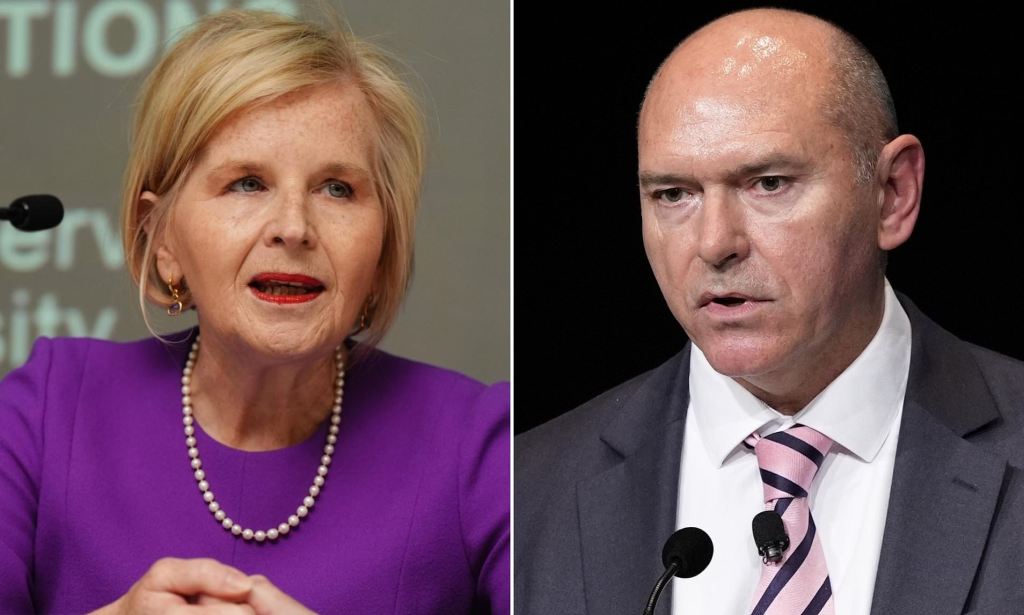
The NHS England chief executive has stated that the health service is looking into modifying managers’ contracts to make it simpler to hold them responsible for shortcomings in maternity care.
Sir Jim Mackey remarked, “Many individuals tend to depart” when issues arise, complicating the health service’s ability to discipline them or compel their participation in inquiries.
Delivering a speech at a conference organized by the Institute for Public Policy Research (IPPR) think tank inLondonToday, Sir Jim acknowledged that the shortcomings highlighted in maternity reports have turned into a ‘disturbingly recurring’ issue, comparing them to ‘serious child protection reports and failures’.
He mentioned the importance of establishing more defined expectations and guidelines for individuals and NHS trusts, and making sure they are held responsible.
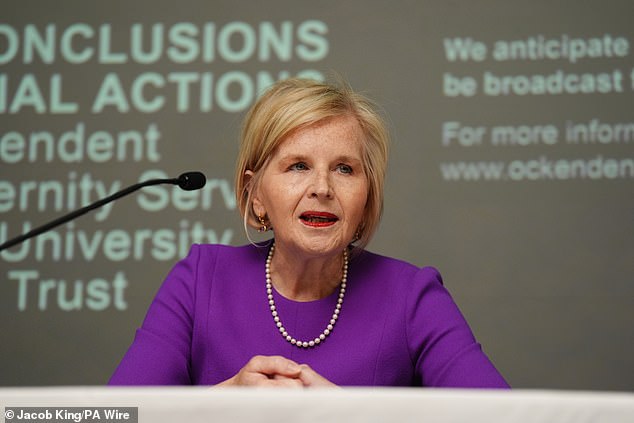
It follows former midwife Donna Ockenden’s report this week on the largest maternity scandal in NHS history, which revealed that hundreds of babies and mothers died or were severely harmed atNottingham University Hospitals NHS Trust.
She mentioned a ‘toxic’ environment, where women were frequently overlooked and errors were concealed.
It is known that approximately half of the 60 former senior executives and directors she contacted declined to respond to inquiries regarding their involvement in the scandal.
Sir Jim characterized the investigation results as ‘disturbing’ and acknowledged that there is ‘a great deal to it’ concerning the NHS’s ‘failure to listen and adapt services effectively’.
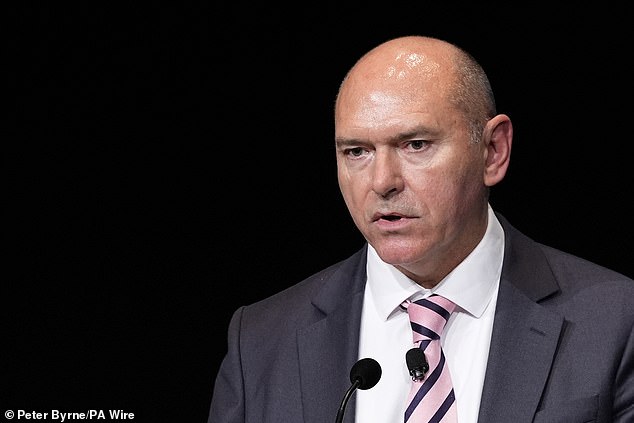
He will meet with NHS trust leaders, along with nursing and medical directors on Tuesday to talk about maternity care and promised to ‘act swiftly’ to implement changes.
There have been “repeated horrors and failures in the service in many ways,” with “a lot of repetition” and “probably too little action,” said Sir Jim.
“We’ll have to be very precise and straightforward about who is responsible for what to achieve what we need,” he added.
Sir Jim stated, “Everyone must take responsibility for their actions. We are considering modifications to leaders’ agreements.”
Many individuals frequently depart, making it challenging to hold them responsible for events that occurred during their tenure.
We intend to attempt some modifications to facilitate holding them accountable more easily.
Where individuals are located elsewhere within the service, there are procedures in place to assess whether this is appropriate and to identify what actions can be taken, ensuring that everyone is held responsible.
Shrewsbury and Telford NHS Trust, East Kent Hospitals, and Mid and South Essex NHS Trust have all been involved in high-profile issues related to maternity care, with additional cases still under discussion.
Sir Jim mentioned that there are “so many different reports” that it is challenging to keep up with them and understand “what quality entails.”
The healthcare system will now aim to unify standards and rules following the independent Amos review on maternity services, which is set to be released next week and assesses maternity care at 14 trusts.
“There will be a unified set of actions for the NHS, across all its parts—national, local, individual organizations, and our colleagues—professional expectations and standards included—so that we can ensure everyone adheres to these actions,” Sir Jim said.
He cautioned that “professional tribalism” between physicians and midwives frequently contributed to substandard maternity care, emphasizing the importance of enhancing relationships among the various groups.
He also pointed out a deficiency in fundamental empathy and proposed that earlier leaders might have been more effective in consolidating prior suggestions into a single location, making them simpler to put into action.
Sir Jim mentioned he had served as an NHS chief executive for “20 or more years” and stated he couldn’t detail all the organizations and entities responsible for overseeing and regulating maternity services.
He feels there are “far too many” and that consolidation is necessary to achieve “a single version of the truth.”
He stated that it is a “time for action” and that NHS leaders “must come together and begin doing it immediately.”
The NHS maternity care model also requires modernization to account for the increasing number of older mothers and those dealing with substance abuse, he stated, instead of relying on a system that was created for the UK’s circumstances from 20 or 30 years ago.






Leave a Reply