
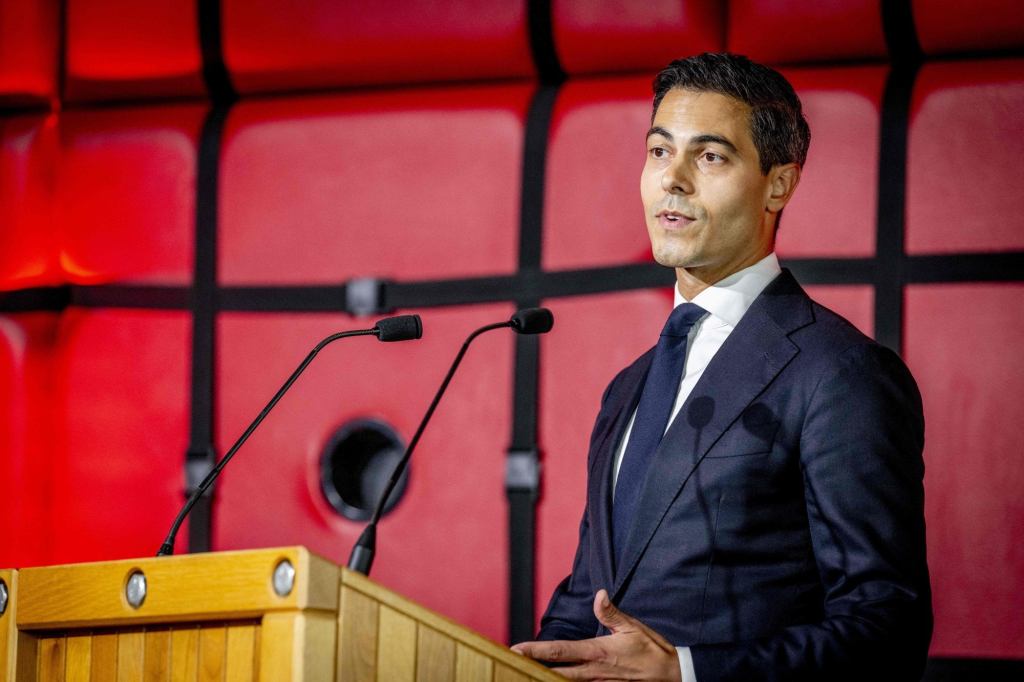
Dutch Prime Minister Rob Jetten offers an apology for the mistreatment of first-generation Malukans in Europe, leading to demands for real reforms.
A new apology from the Dutch prime minister tothe NetherlandsThe Malukan community’s response to systemic mistreatment by the government has received varied reactions; some expressed appreciation for the apology, while others called for real measures instead of just empty promises.
On June 21, Dutch Prime Minister Rob Jetten officially expressed regret to the approximately 75,000 Malukan community members for the government’s improper treatment of the first generation of Malukans who came to Europe 75 years ago from the Maluku Islands.Indonesia, historically referred to as the Spice Islands.
“For the poor reception and accommodation. For being unnoticed and left behind. For the unfulfilled desire for a home. And for the sorrow and suffering in many families. For this, I express my apologies today on behalf of the Dutch government,” Jetten stated, as reported by international media.
Are you curious about the major issues and developments happening globally? Find the solutions withSCMP Knowledge, our latest platform featuring curated content including explainers, FAQs, analyses, and infographics, presented by our acclaimed team.
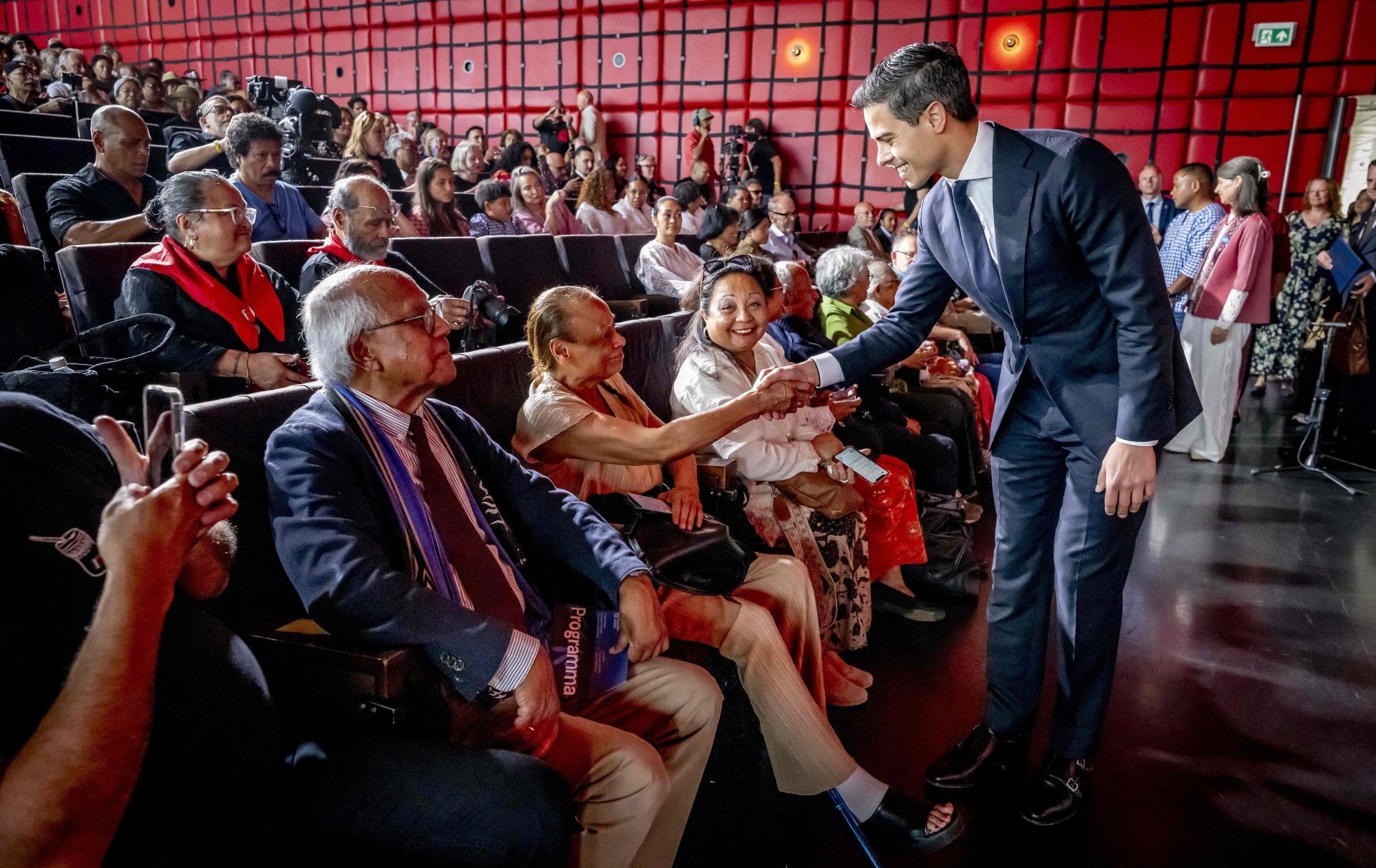
Jetten was presenting Ulu Kora, a memorial honoring the Malukan diaspora, at Lloydkade in Rotterdam, the harbor where the initial vessels carrying Malukans arrived in 1951.
I understand that the injustice cannot be quickly resolved through apologies. We cannot alter the course of history or the present reality with just a few words,” Jetten stated. “However, I hope that the statements I have just made are seen as a form of acknowledgment and an act of historical justice for you.
Jetten did not specify what additional measures the government might implement after the apology, which represented the most recent in a sequence of significant historical reflections by Dutch officials.
In 2022, the prime minister was Mark Rutteapologisedto Indonesia for the systematic application of extreme violence during the revolutionary war from 1945 to 1949, following the action taken by the Netherlands’ King Willem-Alexander, who had expressed remorse during a visit in 2020 for the atrocities carried out.
Post-independence rebels
The source of the community’s suffering can be traced to 1951, when 12,578 Moluccans came to the country following their loyal service in the Royal Netherlands East Indies Army (KNIL), the kingdom’s armed forces in the Dutch East Indies, the former name for Indonesia.
After the Netherlands recognized Indonesia’s independence in 1949, a significant number of Malukans were reluctant to join the nation. On April 25, 1950, a group of former KNIL soldiers proclaimed the establishment of the Republic of South Maluku (RMS), with Johanis Manuhutu as its leader.
Due to the significant danger of retaliation in their homeland, KNIL troops were relocated to the Netherlands by the Dutch government. In February 1951, 11 vessels departed from Java, transporting over 12,000 Malukans, with the assurance that their move would last no longer than six months and that they would return to a sovereign South Maluku.
Rather, the Malukans endured one act of treachery after another. The Netherlands broke its commitment to repatriate them, instead placing the Malukans in former Nazi concentration camps such as Westerbork, Vught, and other locations across the Dutch countryside. The soldiers were dismissed from the military, yet the Dutch never provided their pensions.
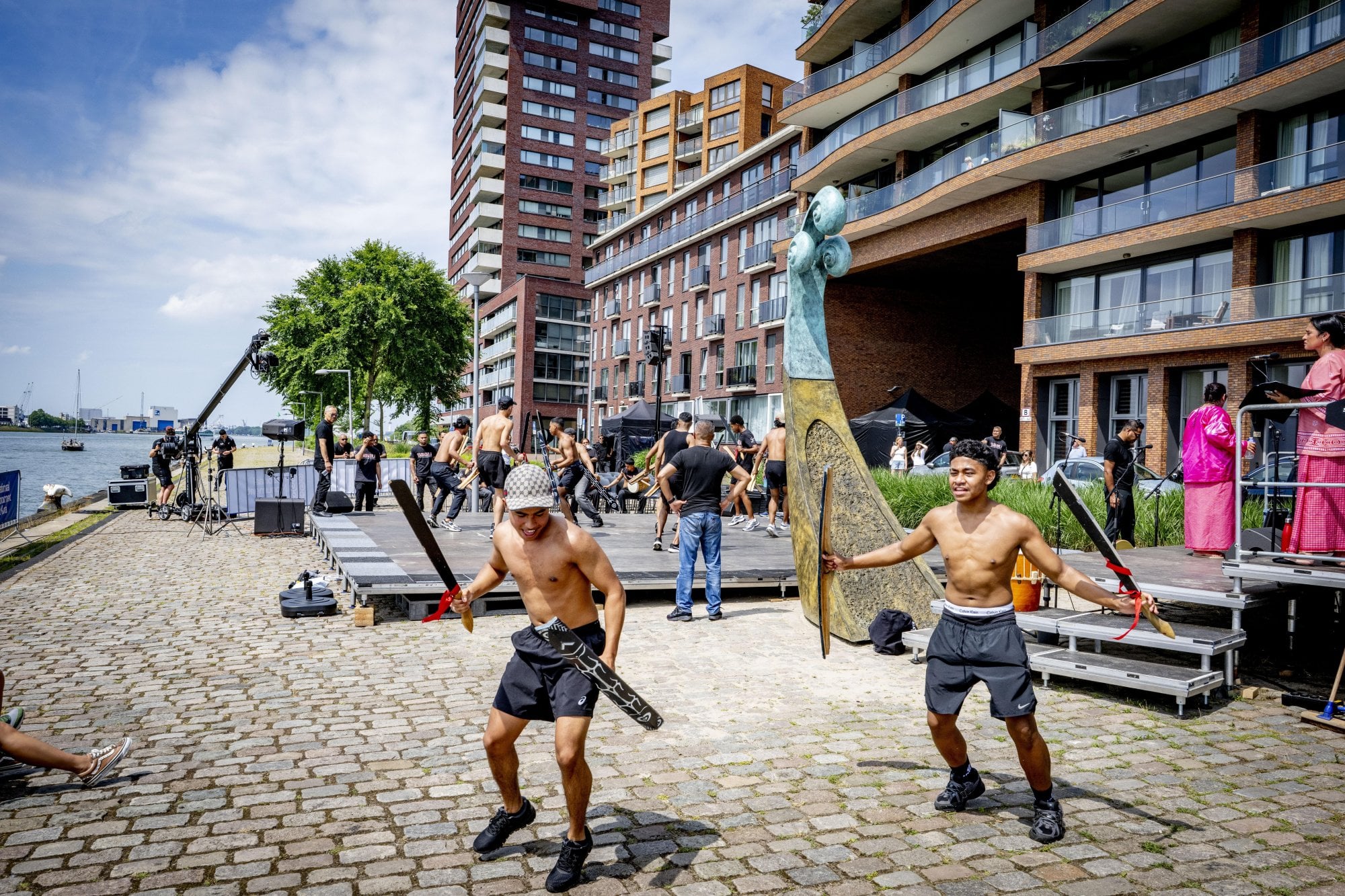
Jecy Sihasale, a third-generation Dutch Malukan, recalls the harsh conditions her two grandfathers, both KNIL soldiers, faced when they arrived in Rotterdam.
“Their ship arrived in Rotterdam, and then they were taken to … what we called Camp Schattenberg,” Sihasale said to This Week in Asia, referring to Westerbork, a Nazi transit camp located in the Dutch province of Drenthe that once held Anne Frank.
There, they resided for two decades. The dwelling was compact, perhaps only two by two meters, and it was intended for sizable families. It was quite poor. The sanitation was inadequate. They were not compensated, so they received only three guilders daily, which was not sufficient for a large family.
At that time, most people from Maluku did not speak Dutch, as they thought their time in the Netherlands would be short, the 47-year-old mentioned.
Miguell Kaidel, a fourth-generation Dutch Malukan, characterized residing in the wooden structures within the camp as “a traumatic experience for the initial generation.”
Concrete actions
Relations between Maluku and the Netherlands deteriorated in the 1970s. In 1966, Christiaan Soumokil, the second president of the RMS, was killed by the Indonesian military, sparking outrage among second-generation Malukans living in the Netherlands.
During the 1970s, they carried out multiple violent actions, such as assaulting the Indonesian ambassador’s home in Wassenaar, seizing trains, and holding schoolchildren captive.
Numerous people from Maluku also experienced job-related discrimination, and their economic status was inferior to that of the Dutch.
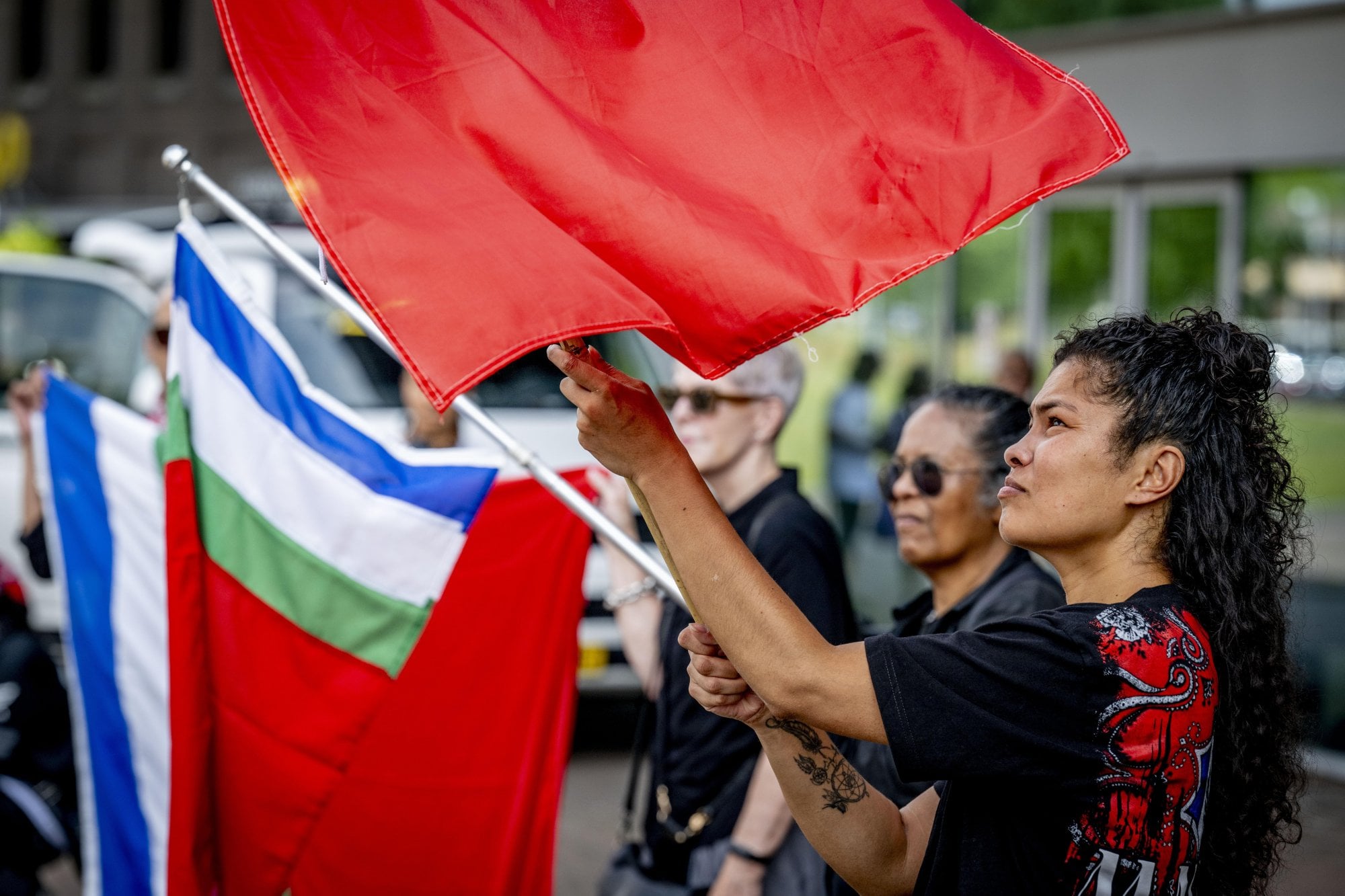
Sihasale, residing in Bovensmilde, stated that Jetten’s apology was “merely words, unless accompanied by tangible actions”.
She advocated for “legal compensation for the former KNIL soldiers and their families,” and additional conversations about what this would involve.
The government of the Netherlands ought to keep funding independent historical studies regarding past injustices and ongoing legal issues.
She also called on the Dutch government to settle the unpaid pensions of former KNIL soldiers, including her grandfathers.
Kaidel mentioned that Jetten’s appeal was “pleasant” for the older Dutch-Malukans, such as his grandparents.
“Me and many of my friends… it’s really late. It’s too late. The first generation are almost all gone. It’s good that they apologized about it. For us, it’s like, ‘OK, now what?’” said the 29-year-old.
We don’t accept any justification. We have already established our position within this Dutch and European society. We all study, work, and reside here. A justification won’t alter anything.
Kaidel called on the government to incorporate the history of the Malukans into Dutch school curricula after the official apology.
“You can’t overlook this past, you can’t set it aside. We all need to be aware of it and we must study it,” he stated.
‘Malukan first’
In 1986, Malukan leaders and the Dutch administration reached a deal that included the latter offering an annual payment to KNIL veterans, along with financial support for creating a Malukan historical museum and employment programs for young people.
As per Sihasale, Malukans “are now integrated into Dutch society,” making contributions in fields such as education, healthcare, and the public administration.
However, the mother of two remains strongly connected to her Malukan background. “I still believe I am a Malukan woman, born and raised here in the Netherlands, but I carry Malukan values and customs. Therefore, my Malukan heritage is my identity.”
She stated she “understands and backs” the desire for an independent South Maluku, provided it is “achieved through peaceful means, via discussion, while respecting international law and the rights of all concerned.”
When asked if she felt a connection to Indonesia, Sihasale replied strongly: “Only Maluku.”
For Kaidel, his connection with Indonesia started to develop last year when his role in promoting music from the eastern region of the country took him to various areas of Java, where he “gained” Javanese friends and learned “to value” the nation’s culture and language.
Kaidel also emphasized the strong emotional and heritage connection his community continues to have with Maluku, despite the passage of time.
“Our culture is very robust because we all reside together in those Malukan complexes. It’s quite straightforward to maintain our traditions and culture. That’s also the reason we still identify ourselves as Malukan first, followed by Dutch,” Kaidel stated.
You will never find a Dutch Malukan individual with a Dutch flag in their home, as that is not how we define our identity.
More Articles from SCMP
Cantonese eateries in Hong Kong need to evolve and adjust to remain competitive.
This piece was first published in the South China Morning Post (www.scmp.com), a top news outlet covering China and Asia.
Copyright (c) 2026. South China Morning Post Publishers Ltd. All rights reserved.


Leave a Reply