

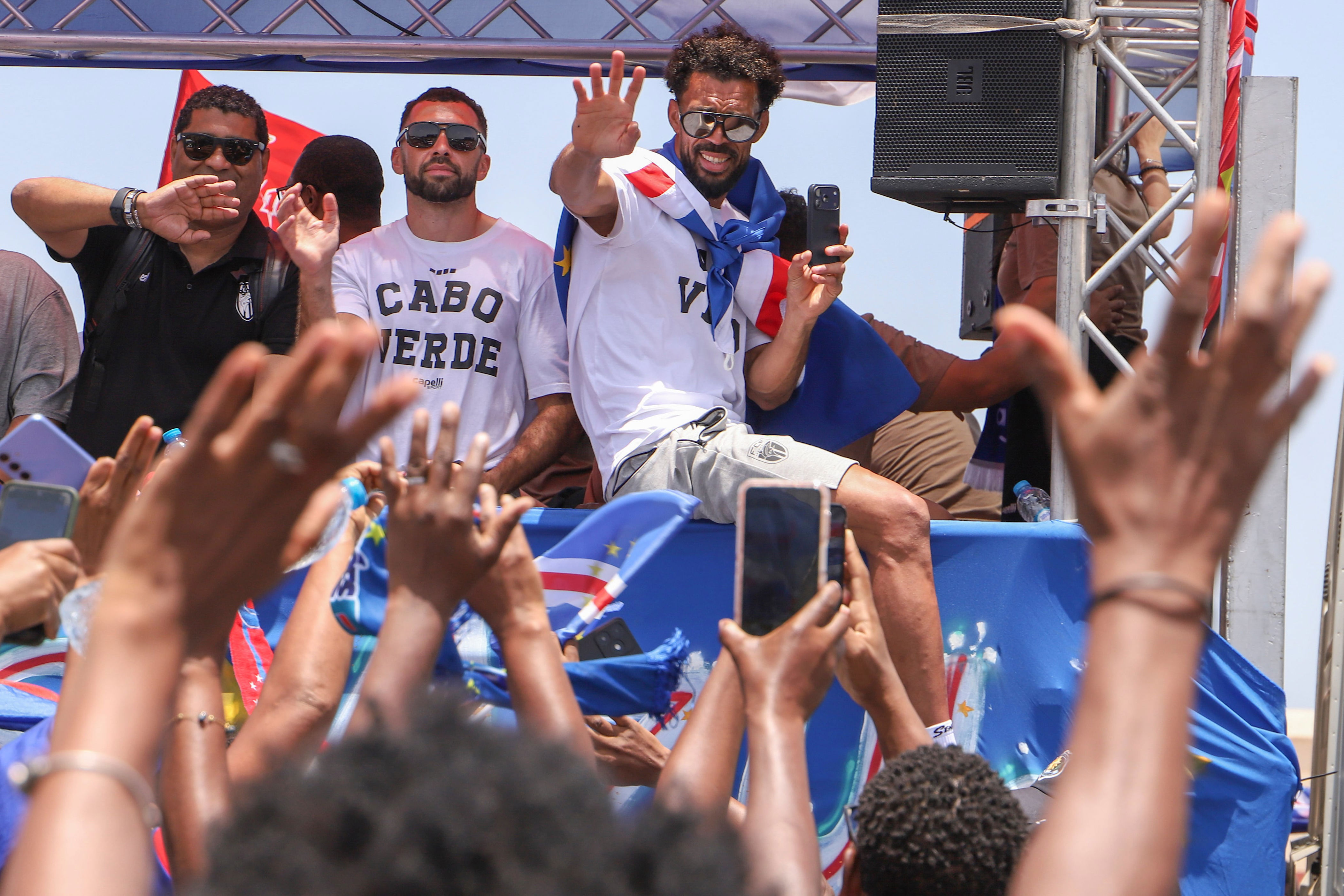
The small Atlantic country of Cabo Verde’s game against tournament favorite Argentina last weekend is expected to be one of the most memorable moments of the FIFA World Cup in North America. Although they lost in extra time, they fought with great determination, surprising even “the god of football,” Lionel Messi, and received loud cheers. Cabo Verde, an island nation with a population of 520,000 and a per capita GDP of around 7,000 dollars, left Chinese fans—who spent trillions of won on football but failed to qualify for the World Cup—feeling disappointed. South Korea’s situation is not much better either.
Other underdog teams have had unexpected successes in the World Cup, only to disappear quickly. Trinidad and Tobago, which was once as prominent as Cabo Verde, is a case in point. During the 2006 Germany World Cup, the Caribbean nation gained attention as the “least populated team to qualify” (with a population of 1.3 million). Although they didn’t progress beyond the group stage, they impressed fans by drawing with strong contender Sweden. That marked their highest point. Their FIFA ranking, which had previously been 25th, has since dropped to 102nd.
Examining the mistakes that occurred tells a deeply saddening tale for both players and supporters. A notable example is mentioned in *Soccer Economics*, a book that explores the financial aspects of soccer: “Corrupt Trinidad and Tobago Football Association president Jack Warner utilized FIFA’s development funds meant for underprivileged countries to construct opulent football facilities. It was later discovered that the land was actually owned by Warner. Very few soccer games took place there; instead, he focused on more profitable events such as weddings and concerts.”
Following the World Cup, athletes filed a lawsuit against the governing body for misappropriating bonus funds. Warner, who had gained authority over the association via political tactics, permanently banned 16 top players for resisting his leadership. Several of them were talented individuals who had played in Europe. Others also withdrew support, abandoning the national squad. During the subsequent World Cup qualifiers, the team placed last. Although Warner was removed, faced an inquiry, and FIFA intervened to assist in rebuilding, the team’s performance and reputation have still not fully recovered.
Cape Verde also received development funds from FIFA. Possibly because of a higher sense of urgency, they have actively promoted their efforts to create a clean governance system both within and outside the country, ensuring transparency in fund usage. At the football association’s general assembly, 11 regional football league representatives have independent voting rights to limit the president’s authority, while various committees—such as the accounting and election committees—strictly monitor fund distribution and appointments. Recognized by FIFA as a “model beneficiary,” Cape Verde successfully obtained 19 million dollars in funding over three installments within ten years. The funds are reportedly used to develop domestic football infrastructure and recruit talented players from abroad.
Numerous researchers have examined the factors that contribute to a country’s success in football. Although there is ongoing discussion, a general agreement has formed: “Healthy democracies tend to do better.” This is due to the fact that democracies are more effective than authoritarian regimes in fostering equitable competition among athletes and coaches, removing inefficiency and corruption, and allowing national teams to achieve their highest potential. For countries lacking a “Messi,” this degree of institutional honesty is crucial to have any hope of competing.
I once inquired of an economics professor about explaining a corporation’s “good governance.” The response was straightforward: “Ensure the interests of shareholders, the board, and management align so they work toward the company’s common goals without seeking personal benefits.” Cabo Verde’s national team, guided by the slogan “Small Country, Giant Passion,” came together with a shared aim of success, creating a strong emotional effect and raising the country’s international profile. I hope Cabo Verde continues with this approach, this expertise, and this commitment to excel in the upcoming World Cup. Envy, Cabo Verde.


Leave a Reply